Sound like you, only better.
Singing Lessons for Adults.
Identikit singing is not the aim. Get the vocal control you need to sing the songs you love with confidence.
Central London · Online

Identikit singing is not the aim. Get the vocal control you need to sing the songs you love with confidence.
Central London · Online

SINGING LESSONS
From sorting out a troublesome voice to developing your phrasing, style and musicianship, lessons go well beyond simply singing through a few songs.


Beginners —- always wanted to sing properly and are ready to do something about it
Experienced singers —- who feel technically stuck, stylistically flat, or just “something’s missing”
Classical singers —- wanting to explore contemporary styles
Songwriters —- who want to be singer-songwriters
Producers —- wanting to sing on their own tracks
Instrumentalists —- wanting to sing lead with confidence, conviction and charisma
Singers wanting classical voice pedagogy
Singers wanting musical theatre performance delivery and network
Singers wanting heavy metal and extreme vocal distortion techniques
Your route to stylish, expressive singing

How to build a stronger, freer voice that feels reliable under pressure — not just on the one good day your voice decides to behave.
How to sing through your range with more ease, confidence, and far less psychological drama before the high note arrives.
How to recognise what tension, anxiety, over-thinking, and performance pressure actually do to your voice — and what to do when they appear.
How to control breath, tone, stamina, dynamics, and vocal consistency without sounding rigid or over-managed.
How to understand what your voice is actually doing instead of second-guessing every sensation halfway through the song.
How to stop sounding overly careful, over-controlled, or strangely generic — even when technically “good”.
How dynamics, phrasing, breath, texture, timing, and vocal colour completely change the emotional meaning of a song.
Why perfectly polished singing is not always the thing people connect to most.
Go to the dark side — why “beautiful singing” is only one flavour, and often not the one people remember most.
How to use restraint, tension, texture, stillness, or bite to create emotional contrast in a song.
How to sit comfortably in the groove, float around the beat, or create emotional tension through phrasing and timing.
How to use brightness, warmth, lift, texture, and restraint to create contrast and emotional shape.

How to choose songs, keys, and arrangements that genuinely suit your voice, personality, and musical instincts rather than simply showing off vocal capability.
How to make songs sound more personal, expressive, and emotionally convincing rather than simply “technically correct”.
Understanding what particular songs are actually asking for — and how delivery, arrangement, energy, and restraint affect the meaning.
How the construction of the word itself can help tell the story
When to add and, perhaps more interestingly, when to leave out or take away.
How to bring your own personality, taste, and perspective into songs rather than simply copying other singers.
Where this takes you
Iron out the bumps. Resolve vocal tiredness. Sing with a this-feels-easy freedom.
Discover the colours, textures and qualities in your voice. Find the sounds that suit you, rather than trying to sound like somebody else.
Less carefully singing the song, more sounding like an actual person with taste, rhythm, opinions and an emotional life.
Songs stop feeling like obstacle courses. Know what to do when something feels too high, too breathy, too stiff, too bland or weirdly impossible by verse two.
You stop looking like somebody trying to get through the song correctly and start looking like somebody who belongs there.
No more chaotic late-night Googling of “how to sing better without sounding nasal but still powerful.” Clear feedback, focused practice and progress you can actually hear.

"Despite running through all the standard vocal warm-up exercises I'd picked up over the years, I've always felt my voice tired too easily and would feel really 'thin' after gigs. I knew there had to be something wrong with my technique, but I had never been able to work out what it was and no other vocal teacher I've had noticed, so I was thrilled when Liz pinpointed the problem within the first few minutes of my first lesson! I'm so happy to be under her wing and relearning how to sing after all these years!"
-LESLEY SHARP. Voiceover Artist. Voice Actor.

Every session I have with Liz is an absolute masterclass (and we giggle a lot too)!
-NEIL SELIGMAN. Founder of The Conscious Professional
Adults bring life experience, musical tastes and an opinion or seven to the table. I take full advantage!
You know what you like, what moves you and what you've got to say. That gives us plenty to play with — from how you phrase a line to what you do with an entire song.
And the technique? That's how we make it happen.

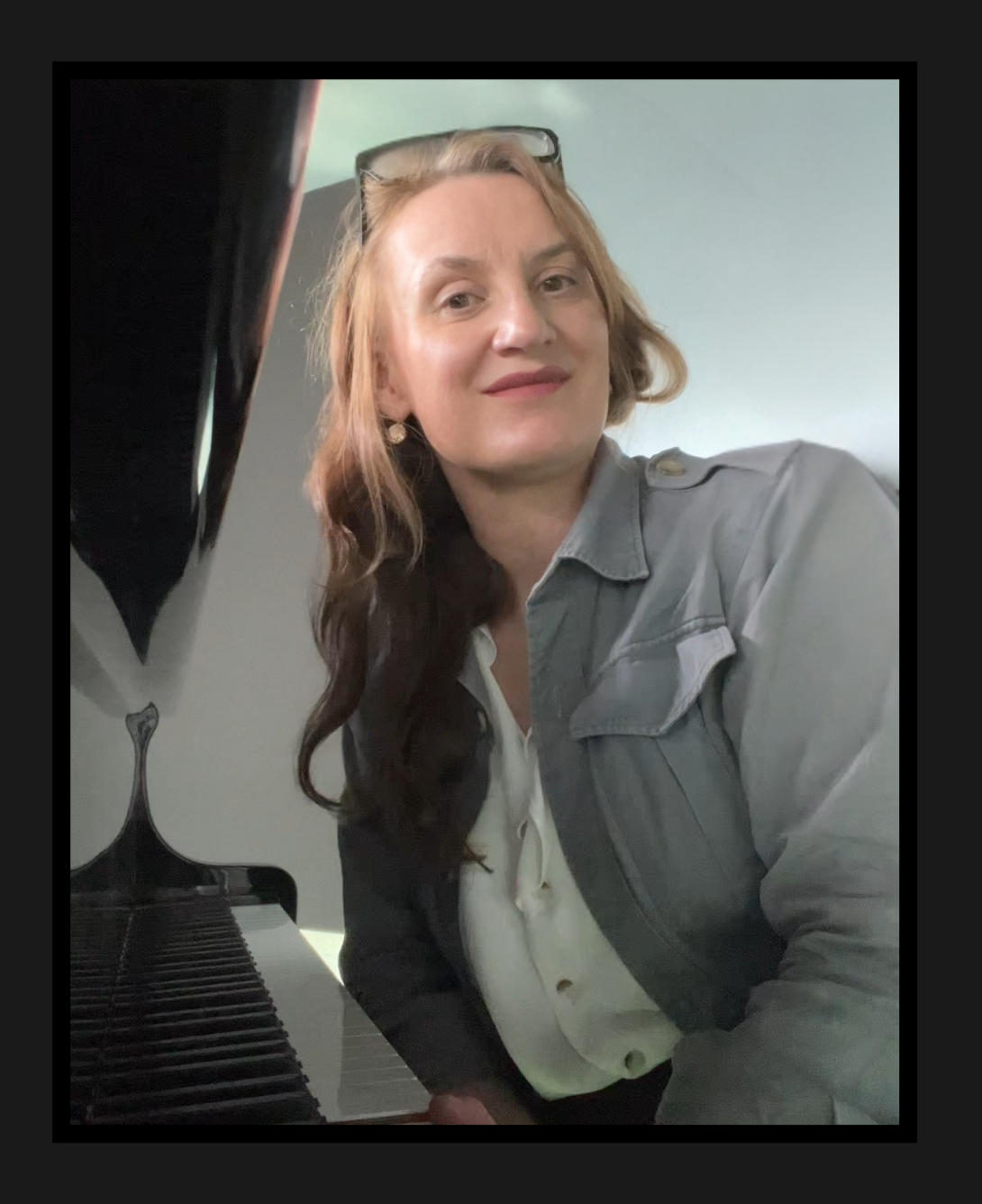
Singer-pianist, vocal specialist and a firm believer that singing involves considerably more than getting the notes right.
15 years as Head of Vocals at LCCM. Ten years as Visiting Lecturer at the University of Westminster. Teaching and leadership roles at BRIT Kids.
My background spans jazz, classical and commercial music. As a singer, pianist and arranger, I can help you with the voice itself — and everything happening around it.
— Elizabeth, Founder of The Magnificent Singer


Private lessons draw on teaching frameworks, developed through years of working with adult singers.
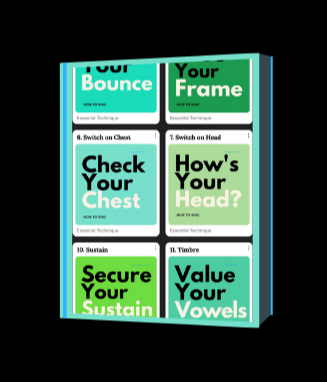
VOICE — Technique & Control
Control your voice enough to sing the way you choose.
Freeing tension
Improving stamina and consistency
Navigating registers and building range
Understanding vocal behaviour
Refining tone and dynamics
Solving specific technical problems
And learning to recognise what your voice is actually doing — rather than what you fear it might be doing.
STYLE — Phrasing & Delivery
The artistic side of singing.
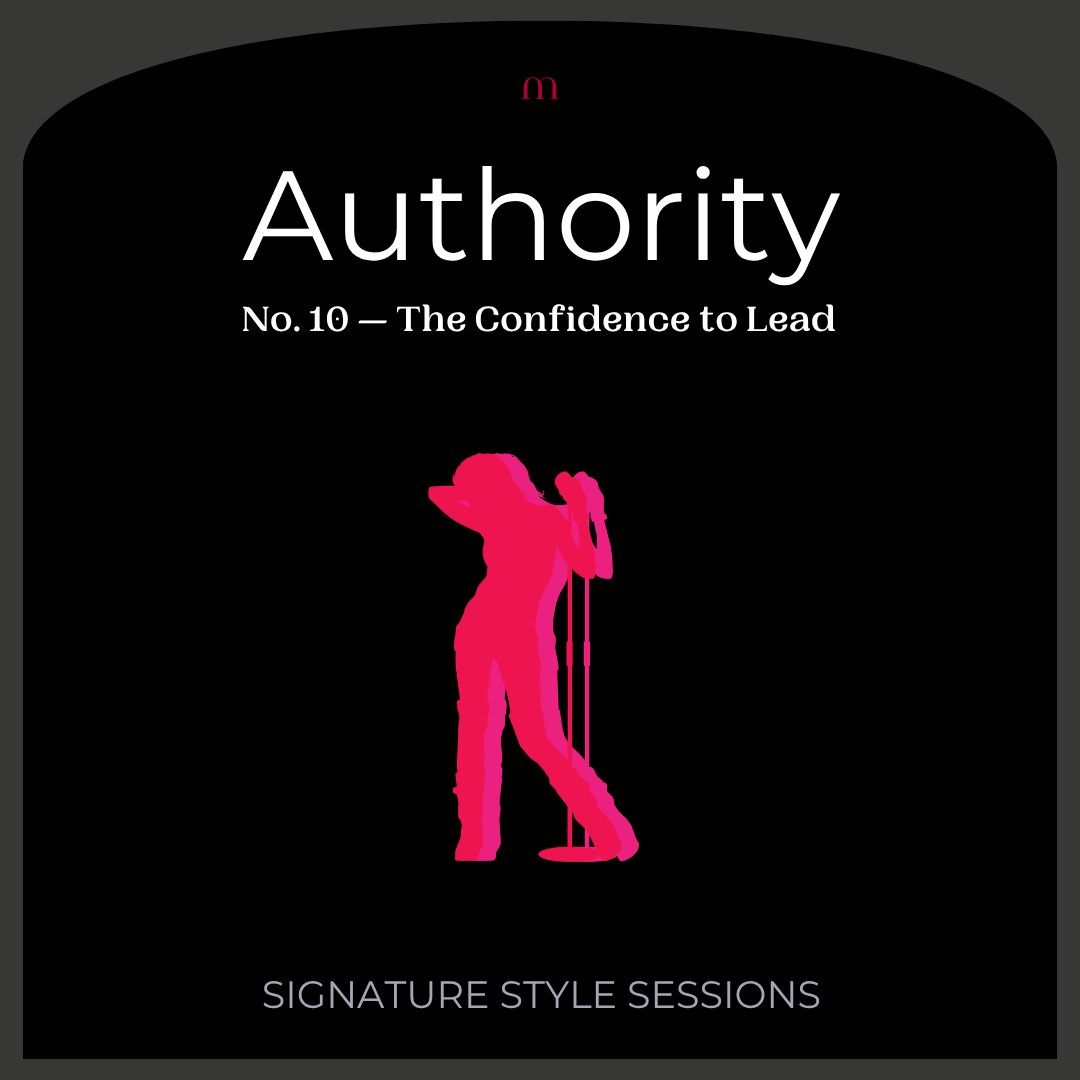
“There's just something about them.” That elusive quality people recognise in an interesting singer. The difference between singing a song correctly and making somebody care that you sang it.
Phrasing and rhythmic placement
Emotional pacing and lyrical emphasis
Dynamic contrast and vocal colour
Stylistic fluency
Presence and delivery under pressure
And discovering how your own personality enters the voice.
SONGS — Repertoire & Soundscape
Because singing does not happen in a vacuum.

All the things that make performances either thrilling or oddly flat despite everybody technically doing the right thing. Sometimes changing one musical decision changes the entire performance.
Song choice
Keys
Groove
Arrangement
Accompaniment
Emotional pacing
From professional performers to complete beginners, no two singers arrive with quite the same ambitions.
Here are three examples of what we've worked on together — and where it took them.
CASE STUDY
The challenge
A technically accomplished singer, frustrated by vocal fatigue, inconsistency under pressure and the feeling that something still wasn’t working stylistically or emotionally.
What we worked on
We worked on the small detail to get a more reliable technique, cleaner transitions, greater stamina and sharper phrasing in live performance.
The result
A voice that felt freer, more distinctive, and far less effortful to manage professionally.
CASE STUDY
The challenge
A bit nervous, assumed they were “starting too late”. Unsure what their voice could do and convinced good singing was all about making a big sound.
What we worked on
We worked on singing complete songs confidently, understanding how their voice actually works, far less fear around high notes,
The result
Singing complete songs, approaching higher notes with less apprehension and developing a repertoire of songs they genuinely love singing, and gradually the confidence arrived, with experiences to follow.
CASE STUDY
The challenge
An accomplished musician and writer. Comfortable playing guitar alone, comfortable singing alone, but combining the two produced tension, rushing, mental overload, with both falling apart.
What we worked on
A stronger vocal coordination, steadier groove and more relaxed performance energy. Managing the demands of singing while playing.
The result
Steadier performances, more convincing lead vocals. Greater confidence with fronting songs live, and a clearer sense of their own vocal sound and style.
Technique, songs & style — Lessons shaped around your voice, your experience and what you want to achieve.
Piano accompaniment — Work on songs with a professional pianist, if desired.
Personal practice video — A short recording made during each lesson, with exercises specific to your voice. So you know what to practise and why. No random YouTube warm-up archaeology required.
Song suggestions — Repertoire chosen to develop your range, technique and musical skills.
Flexible booking — Single lessons or four-lesson packages. Book according to availability.
In-person
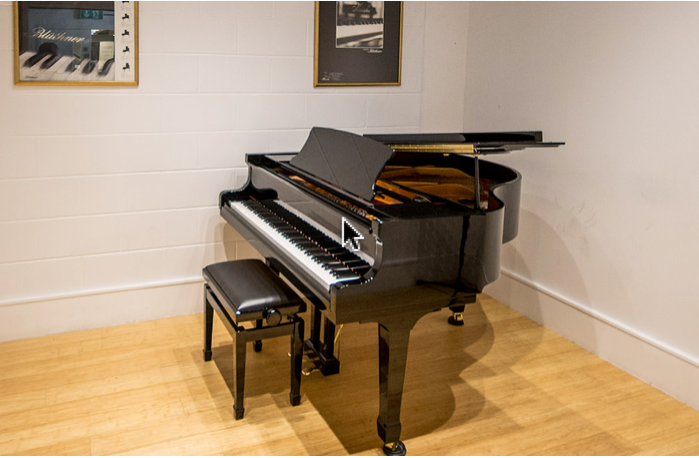
Held at Blüthner Piano Studio or Schott Music
World class Grand Piano — for song accompaniment, learning how to work with an accompanist, focused body work.
Elegant studio space
Central London Convenient — Bond Street/Marble Arch.

Minimal travel time, convenient to slot into the week, lessons can be taken anywhere with a decent signal.
Schedule a regular session, or a once in a blue moon lesson as the need arises.
Easy set up: Zoom by preference. FaceTime is also an option. Detailed instructions sent after booking. A pre lesson test set up available if desired.
1 × 60-minute lesson — £85
BOOK A LESSON>
4 × 60-minute lessons — £310
BOOK 4 LESSONS >
1 × 60-minute lesson · £150
4 × 60-minute lessons · £540
* Valid for six months from purchase. Lesson dates are agreed after booking, subject to availability
Not quite ready to book? Something you'd like to know? Better to ask than wonder.