SINGING LESSONS FOR ADULTS

Sound like you, only better.

The singers you remember have a voice of their own. Time to find yours.

Get the vocal control to sing with confidence. Bring out what makes you interesting. And make the songs you love your own.
Central London · Online

 
image.jpg
Magnificent block black 500x500px.png
 

Who for

Beginners

always wanted to sing and ready to get started

Songwriters

who want to be singer-songwriters

Established Singers

technically stuck, stylistically flat, or just feel “something’s missing”

Producers

wanting to sing on their own tracks

Classical Singers

wanting to explore contemporary styles

Musicians

wanting to sing lead with confidence and charisma

 
Testimonials - Neil .png
 

Some of the things you’ll learn

Your route to accomplished, expressive singing.

1. Technique.

The foundation of your singing. Get your voice doing what you want it to do.

  • Unreliable voice — Why your voice works beautifully some days and seems to have other ideas on others.

  • High notes — Reach them without pushing, straining or worrying whether they're going to come out.

  • Range & registers — Smooth out the awkward bits between chest voice, head voice and everything in between.

  • Tension — Stop feeling like you have to push, strain or work so hard just to get the notes out.

  • Breathing — Stop running out of breath halfway through a phrase.

  • Dynamics — Sing softly without your voice disappearing, turn up the power without shouting, and control the volume throughout a song.

  • Tone — Get a sound you actually like. Explore different vocal colours — clear, breathy, bright, nasal, warm — and learn how to produce them on purpose.

  • Vocal stamina — Sing for longer without your voice becoming tired, tight or unreliable.

  • Troubleshooting — Understand why something isn't working and what you can actually do about it.


2. Style.

Making interesting choices about how you use your voice.

  • Beyond beautiful — Go to the dark side. Why “beautiful singing” is only one flavour, and often not the one people remember most.

  • Too careful? — Stop sounding overly controlled, predictable or strangely generic — even when you're technically good.

  • Phrasing — Play with where you breathe, stretch a word, shorten a phrase or leave a little space. Small changes, enormous difference.

  • Rhythm & groove — Sit comfortably in the groove, float around the beat or create tension through your timing.

  • Emotional contrast — Use restraint, tension, texture, stillness or bite to bring different shades to a song.

  • Interpretation — Find the story behind the words. Decide what to emphasise, what to hold back and how to make a familiar lyric sound like you actually mean it.

  • Stylistic authenticity — Understand what makes jazz and commercial singing different — and what gives each style its character.

  • That certain something — The elusive quality that makes you stop and listen. The difference between singing a song correctly and making somebody care that you sang it.


3. Songs

Who you are, and what you have to say. This stuff gets more interesting with age.

  • Choosing songs — Find songs that suit your voice, personality and musical taste. Not just songs you can sing, but songs you can really do something with.

  • Finding the right key — Stop struggling through songs in the original key simply because that's how the recording goes. Find the key that brings out the best in your voice.

  • Making a song your own — Move beyond copying the original singer. Discover what happens when you bring your own ideas, taste and perspective to a song.

  • Lyrics & storytelling — Get beneath the surface of the words. Discover how consonants, vowels, emphasis and even the shape of a word can help tell the story.

  • Arrangements — Change the tempo, groove, harmony or instrumentation. Discover how the same song can become something entirely different.

  • The art of leaving things out — Know when to add something, when to simplify and when doing less makes a much bigger impression.

  • Working with musicians — Learn how to communicate your ideas to a pianist or band, develop arrangements together and get the musical result you're after.


More than “singing through a few songs”

Where this takes you


✦ No Longer Fight With Your Voice

Iron out the bumps, ease vocal strain and stop wondering whether your voice will cooperate today. Sing with a this-feels-easy freedom.|

✦ A Sound You Actually Like

Discover the colours, textures and qualities in your voice. Find the sounds that suit you, rather than trying to sound like somebody else.

✦ A Voice With Personality

Get playful with phrasing, timing and musical choices. Move beyond singing everything the same way and develop a style that's recognisably yours.

✦ Stop Tiptoeing Around the Song

Songs stop feeling like obstacle courses. Know what to do when something feels too high, too breathy, too stiff, too bland or weirdly impossible by verse two.

✦ Have Something About You

Less looking like somebody trying to get through the song correctly, more like somebody who belongs there. Presence, connection and the ability to hold someone's attention.

✦ Hear Yourself Getting Better

No more chaotic late-night Googling of “how to sing better without sounding nasal but still powerful.” Clear feedback, focused practice and progress you can actually hear.


Banner Artwork - male png.png


I was fortunate to grow up with classical musician parents. Cello, choirs, choral music, piano — I can't remember learning to read music. And I've always sung.

Then came jazz, electric bass, funk, Latin and commercial music. Today I'm a singer-pianist, arranger and teacher. The piano and singing have remained the constants.
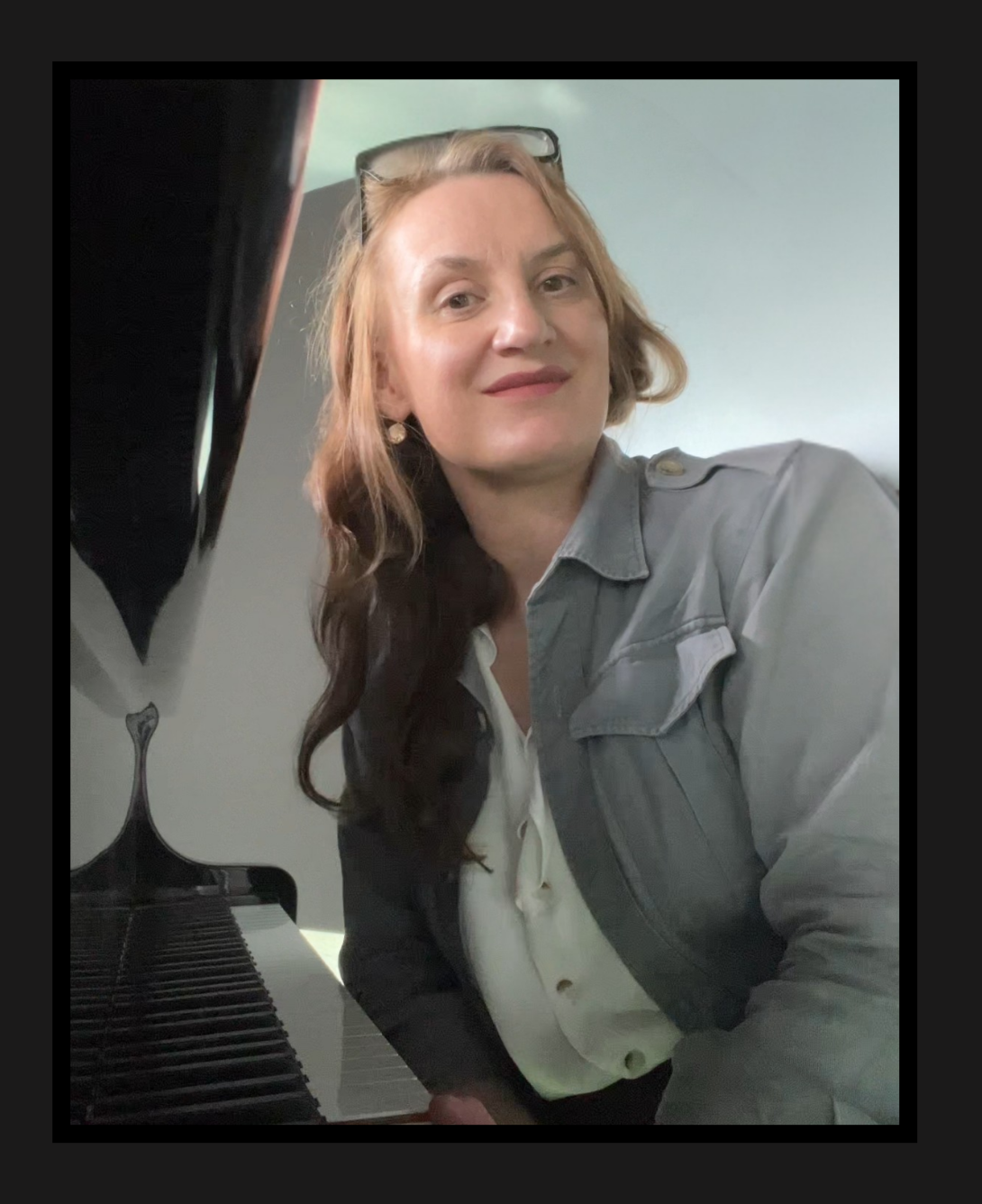

Head of Vocals at LCCM for 15 years. Visiting Lecturer at the University of Westminster for ten. Acting Director of BRIT Kids at the BRIT School.

I'm equally interested in fashion, visual art, film and design. I love the originality, the attention to detail, the unexpected choices — and how differently people can approach the same thing.

— Elizabeth, Founder of The Magnificent Singer


Magnificent Singer black.png
500x500px-33.png
 

Take advantage of being an Adult Singer


You've got more to bring to a song than you did at seventeen.

Years of listening to music, discovering what appeals to you and developing your own opinions.

You don't need to start from scratch. You've already spent years developing your musical preferences, your aesthetic and your own point of view.

The singing lessons build on all of that.


Pastel blue block.png


The How to Sing Roadmap.

3 teaching frameworks, from years of working with adult singers, covering technique, style and musicianship.


Technique

Control your voice enough to sing the way you choose.

Check Your Chest • How’s Your Head? • Join Your Jumps • Mind Your Mix • Value Your Vowels • Boost Your Belt • Free Your Frame • Secure Your Sustain • Ease Your Eeee’s • Find Your Fry • Dial Up Your Diction • Liberate Your Loud • Master Your Messa • Flex Your Falsetto • Polish Your Passaggio • Tame Your Tension • Work Your Whistle • Vary Your Vibrato • Dare Your Dynamics

Style

What makes you interesting as a singer.

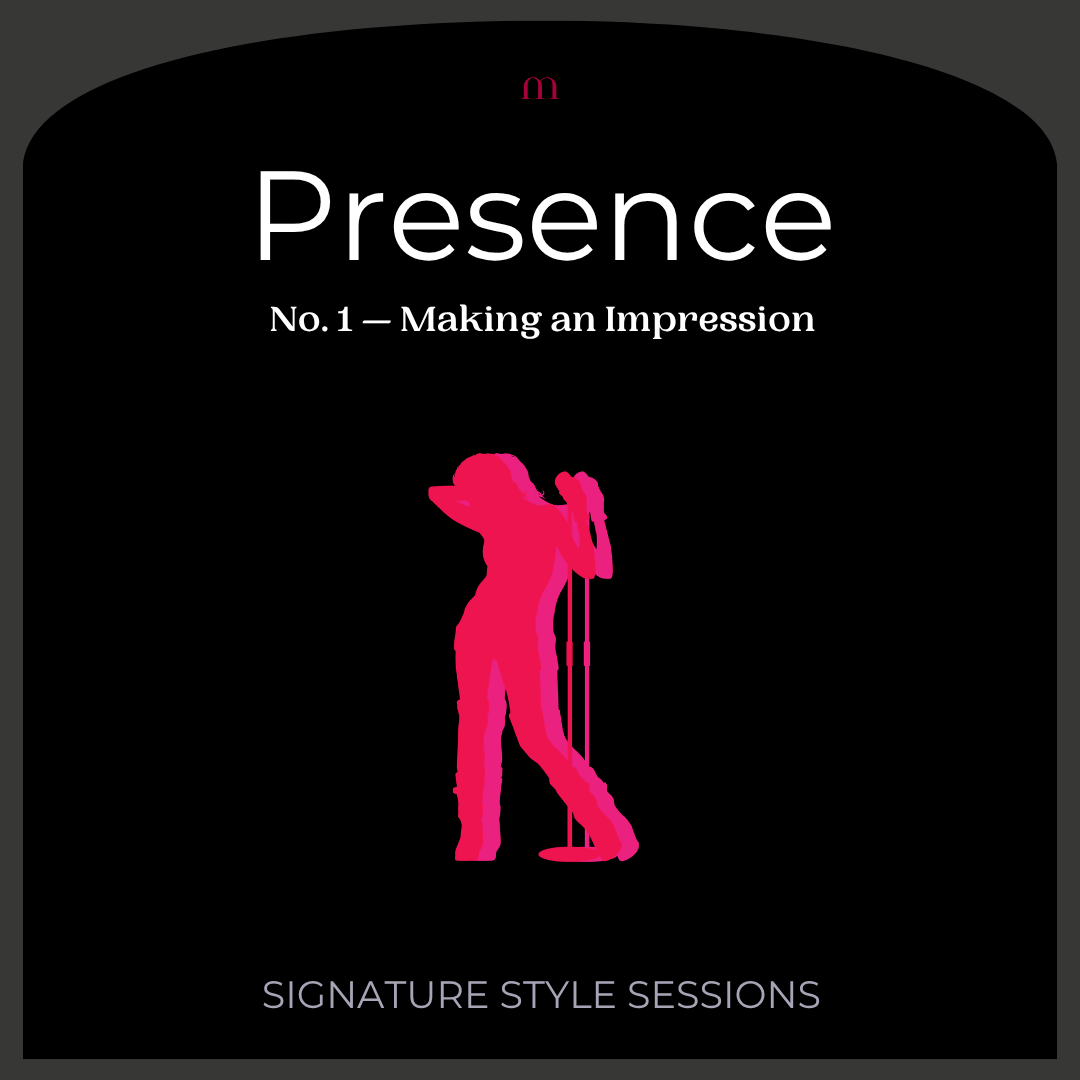
No. 1 Presence — making an impression
No. 2 Your Real Voice — the real you
No. 3 Thrill Maker — bring the room to life
No. 4 Character — win the listener over
No. 5 Point of View — making it yours
No. 6 Calling Cards — vocal inflections
No. 7 Togetherness — bring everyone in
No. 8 Suspense — architecture of attention
No. 9 Timing — how to pace the delivery
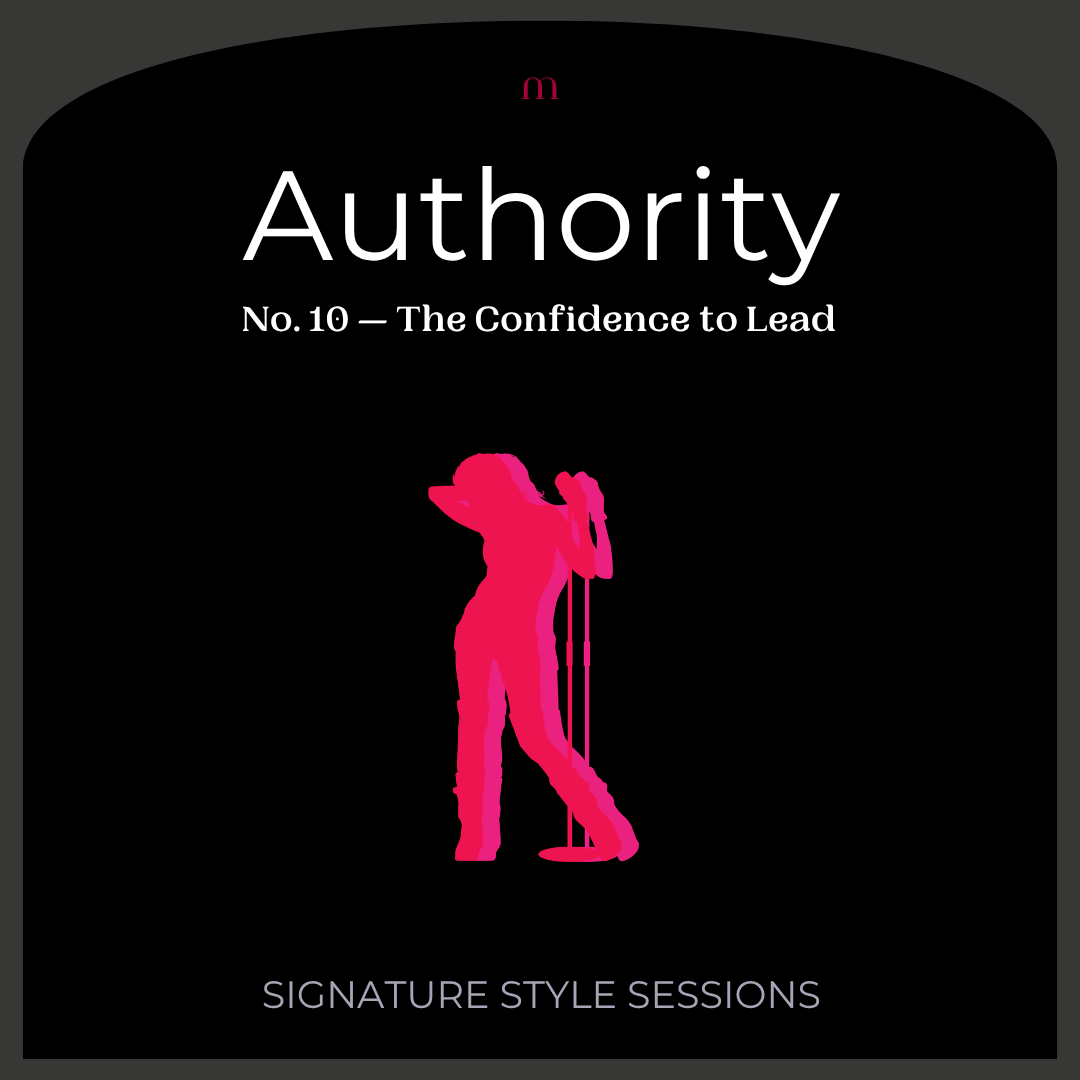
No. 10 Authority — the conviction to lead

Song

Musical decisions. Because singing does not happen in a vacuum.

The Right Song [repertoire] · A Question of Key [tonality and vocal fit] · The Pace of Things [tempo] · Under the Influence [groove and stylistic references] · A Different Arrangement [reimagining the song] · Good Company [instrumentation and accompaniment] · The Musical Landscape [texture and soundscape] · The Bigger Picture [musical direction] · The Finishing Touches [detail, dynamics and polish]

All the things that make performances either thrilling or oddly flat despite everybody technically doing the right thing. Sometimes changing one musical decision changes the entire performance.

 
grey-lilac block (P4S).png
 
 
SSS No. 10 - Authority.png


Singing Student Case Studies

From professional performers to complete beginners, no two singers arrive with quite the same ambitions. 3 examples of what we worked on together — and where it took them.


Magnificent Singer black.png
 

CASE STUDY 1

The Professional Singer

The challenge
Busy event-band schedule. Demanding Jessie J-style repertoire. High, bright belting, followed by backing vocals behind the other lead singer. Vocal fatigue after gigs.

What we worked on
Belt technique. Register changes. Switching between lead and backing vocals. Vocal stamina.

The result
More reliable high belts. Smoother transitions into backing vocals. Less fatigue across two full sets of high-energy dance music


CASE STUDY 2

The Adult Beginner

The challenge
A bit nervous, assumed they were “starting too late”. Unsure what their voice could do and convinced good singing was all about making a big sound.

What we worked on
Breath control. Developing chest voice and mix. Smoother register changes, dynamics and exploring different vocal colours. Building a repertoire.

The result
Singing complete songs, approaching high notes with less apprehension and building a varied repertoire she genuinely loved. Confidence grew as technique evolved — along with opportunities to perform.


CASE STUDY 3

The Guitarist Who Wanted to Sing Lead

The challenge
Accomplished guitarist and songwriter. Comfortable singing and playing separately, but combining the two led to rushing, tension and losing track of both parts. Vocals too understated to be distinctive as the lead.

What we worked on
Vocal coordination, vocal quality and dynamic contrast. Keeping a steady groove. Separating and combining guitar and vocal rhythms. Managing the demands of doing both at once.

The result
Singing lead while playing guitar without either part falling apart. Steadier performances, more convincing, dynamic lead vocals. Greater confidence with fronting songs live, and a clearer sense of their own vocal sound and style.

 
Testimonials - Neil .png

What to expect


✦ TECHNIQUE, SONGS, & STYLE — The advantage of private lessons! Shaped around your voice, your experience and what you want to achieve.

✦ PRACTICE VIDEO — No random YouTube warm-up archaeology required. Short recording made during each lesson, with exercises specific to your voice. So you know what to practise and why.

✦ PIANO ACCOMPANIMENT — Get good at making music in the moment. Work on songs with a professional pianist, if desired.


✦ SONG SUGGESTIONS —— Match yourself up or upgrade technique and style with more challenging material. Repertoire chosen to develop your range, technique and musical skills.

✦ FLEXIBLE BOOKING —— Come when you’re free. Single lessons or four-lesson packages. Book according to availability.

✦ REAL TIME PROBLEM SOLVING —— Bring the tricky phrase, unreliable high note or song that refuses to cooperate. Find out what's going on and what to do about it.


London Lessons

In person

  • Central London studios — Blüthner Piano Studios Bond Street or Schott Music Oxford Circus.

  • World class grand piano — for song accompaniment, learning how to work with an accompanist.

 
Headshot PfST.png
 

Online Lessons

  • Minimal travel time, convenient to slot into the week, lessons can be taken anywhere with a decent signal.

  • Schedule a regular session, or a once in a blue moon lesson as the need arises.

  • Easy set up: Zoom by preference. FaceTime is also an option. Detailed instructions sent after booking. A pre lesson test set up available if desired.

 
Magnificent block - blue-grey.png
 

Rates

Single lessons and discounted 4-lesson packages.


Central London Studio

1 × 60-minute lesson — £85
BOOK >

4 × 60-minute lessons — £310
BOOK >


London Home Visits · Zones 1–2

1 × 60-minute lesson · £150

4 × 60-minute lessons · £540

ENQUIRE ABOUT HOME VISITS >


Online · 4-Lesson Packages

4 × 60-minute lessons — £310
BOOK >

4 × 45-minute lessons — £230
BOOK >

4 × 30-minute lessons — £170
BOOK >


Online · Single Lessons

60 minutes — £85
BOOK >

45 minutes — £65
BOOK >

30 minutes— £48
BOOK >


Booking — Purchase your lesson or package online. Dates and studio details are arranged personally after booking, subject to availability.

Lesson packages are valid for six months from purchase.

 
Magnificent colour-black.png
 

A question or two?

Not quite ready to book? Something you'd like to know? Better to ask than wonder.