LIVE WORKSHOPS · LONDON 2026
Get beyond “I can play a few chords” and never doubt yourself at the piano again
PIANO for SINGERS WORKSHOPS. How to play piano and sing songs with confidence and genuine style.
2 singers · 2 pianos · 90 minutes

LIVE WORKSHOPS · LONDON 2026
PIANO for SINGERS WORKSHOPS. How to play piano and sing songs with confidence and genuine style.
2 singers · 2 pianos · 90 minutes
PIANO for SINGERS LONDON
If you’re reading this you can sing — and chances are you’re musical too.
But sit at the piano… it all goes out the window.
Your singing loses its sparkle. The piano playing is too heavy or hesitant. The rhythm is stop–start. The chords sound plonky and too basic.
Confidence isn’t exactly flowing at this point.
So… you give up.
But here’s the thing: doubting yourself at the piano isn’t a personality trait. It’s a skills problem.
You need: authentic-sounding style. You need coordination. You need flow and an understanding of how different styles actually work.

— Elizabeth, Founder of The Magnificent Singer
Beyond reading notation to play classical repertoire and basic chord shapes from songs sheets, I knew next to nothing about chords, grooves or how to make an accompaniment sound convincing.
Fast forward many (many) years — and I can now play long solo piano–vocal gigs without written music, not repeat any songs, and make the entire set up on the spot
No deciding songs beforehand — sometimes I literally just open the piano lid, put my hands on the keys and see what comes out… and let that inspire the next song choice.
It’s wonderful for making music that fits the mood of the room (or even deciding to change the mood in the venue).
And even with a band — if the band are up for the musical challenge/adventure of “follow me!” — it makes a glorious change from playing a pre-decided set and fixed arrangements.
Am I a musical genius? Sadly not!
What has helped is playing and singing the music of others — and choosing freely from anything: classical repertoire, classic pop, funk (lots of this), swing, blues, Latin, world, show songs, rock… basically anything I like — and learning to bring those ideas into my own playing.
That's the thinking behind Piano for Singers.
Get beyond the obvious stuff. Discover the patterns, colours, dynamic shading, story telling lines, and singer supportive voicings that make playing piano and singing so enjoyable.
AND let you take charge of rehearsals, gigs and sessions.
Even if you don’t want to be a piano-singer — the piano (with its button-pressing all-the keys-laid-out-in-front-of-you logic) is brilliant for training your brain to absorb musical ideas and mirror them back.
Pair that with the melody-oriented, intuitive, very personal aspect of singing — and it’s a powerful combination.
And regardless of where you’re heading with your music and singing — the payoff is powerful.
Where this takes you
The kind that comes from actually knowing what you're doing — rather than hoping you'll get through the song.
No more good intentions that disappear when you get home. Here? You show up. You stay focused. It’s 1:1-level attention with the added bonus of playing with others.
Sit at the piano looking and sounding like you belong there. Sing, play and engage with your audience without the piano taking over.
That elusive specialness whether you’re performing, teaching, directing, writing or producing. Yes, we could wait for musical ideas to fall down on us from the heavens. Or! We could absorb the creative choices, and then make it our own.
Know what to practise, why it matters and what to tackle next. No more frantic YouTube searching.
Understand both sides of the musical conversation — singer and accompanist — getting adapt at leading rehearsals and band direction.
Your musical life expands. You give clearer direction to musicians. Rehearsals go smoother. You get asked back.
Stop wrestling with the piano. Start looking forward to playing it.
—@WildCroí
Singer / Songwriter
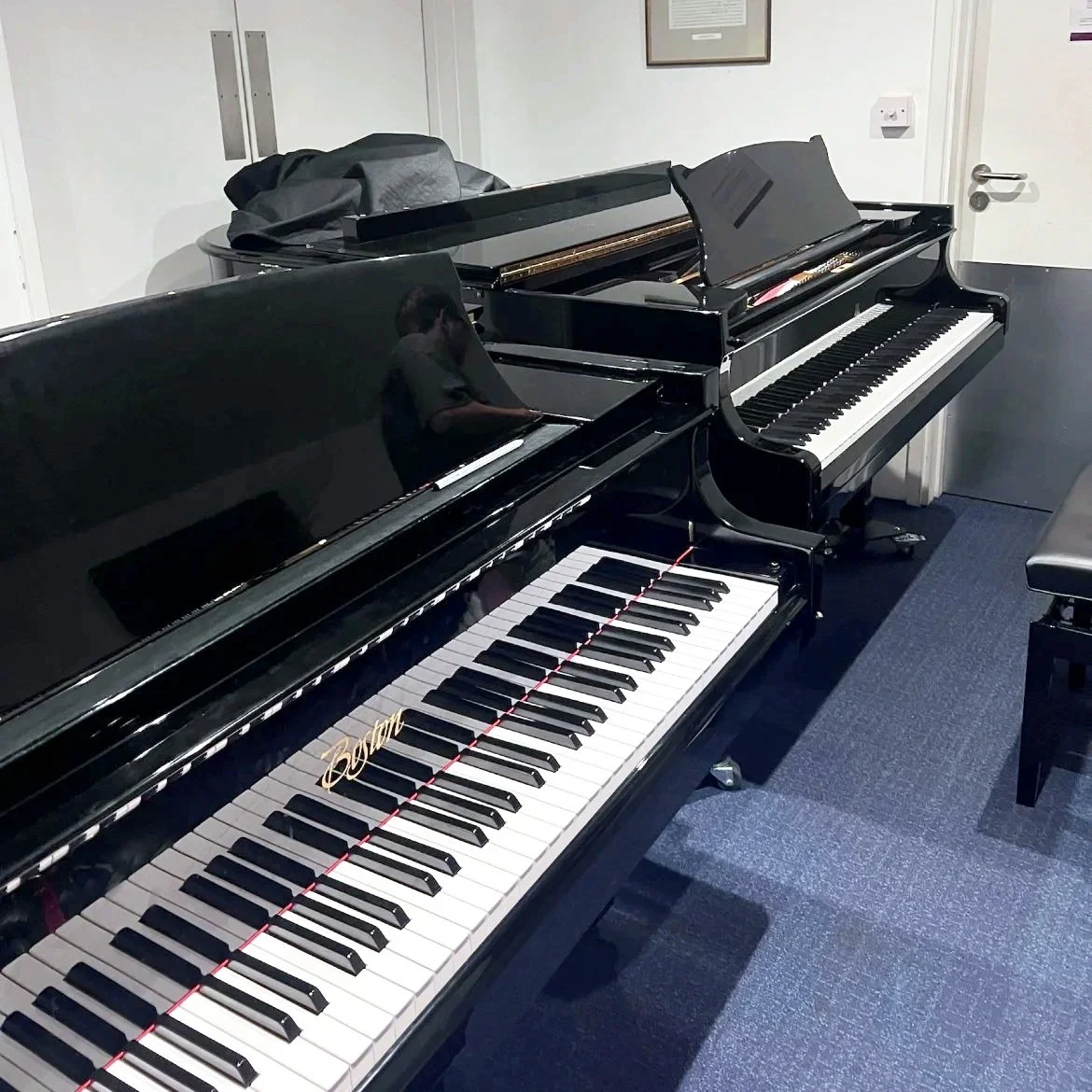
2 singers, 2 pianos
Maximum of two attendees — NOT five minutes of help. You’ll be playing for a full 90 minutes
Performance practice
90 minutes
Songs and styles
Charts provided
Central London location
World-class grand pianos
Two-handed song patterns, voicings, left-hand embellishments
Playing together — clicking in to personality and feel
In-depth but pressure-free approach
We work hard — and we have fun while we do it
— How to tell a story using both piano and singing that has style and impact - no matter how simple the song
— Not any old chords - how to play singer supportive chord shapes that colour the melody and showcase the singer
— How to play 2-handed patterns and groove that bring out the energy, mood and style of the song
— How to use the left hand to bring energy, groove and drive to the song performance
— Your personal dynamic and pattern choices — and why that’s so important
— Embellishments and fills — when to use, and what sits with the style and song
— Getting to grips with chord charts and lead sheets — how to bring them to life, know what to play and what to leave out
— How to sit at the piano so you don’t wreck your voice and still be able to engage with an audience, band or student
—Fun, uplifting, ego-free environment
— Sitting at the piano • where to breathe • storytelling from the piano • using chords to support the voice • patterns to sing over
— Get immediate feedback, practical guidance and LOTS of personalised attention
— Left-hand lines • right-hand patterns • embellishments • performance style
— Single workshop • 3-workshop bundle
If you can sing, you’re already 80% of the way there.
These workshops give you the final 20%.
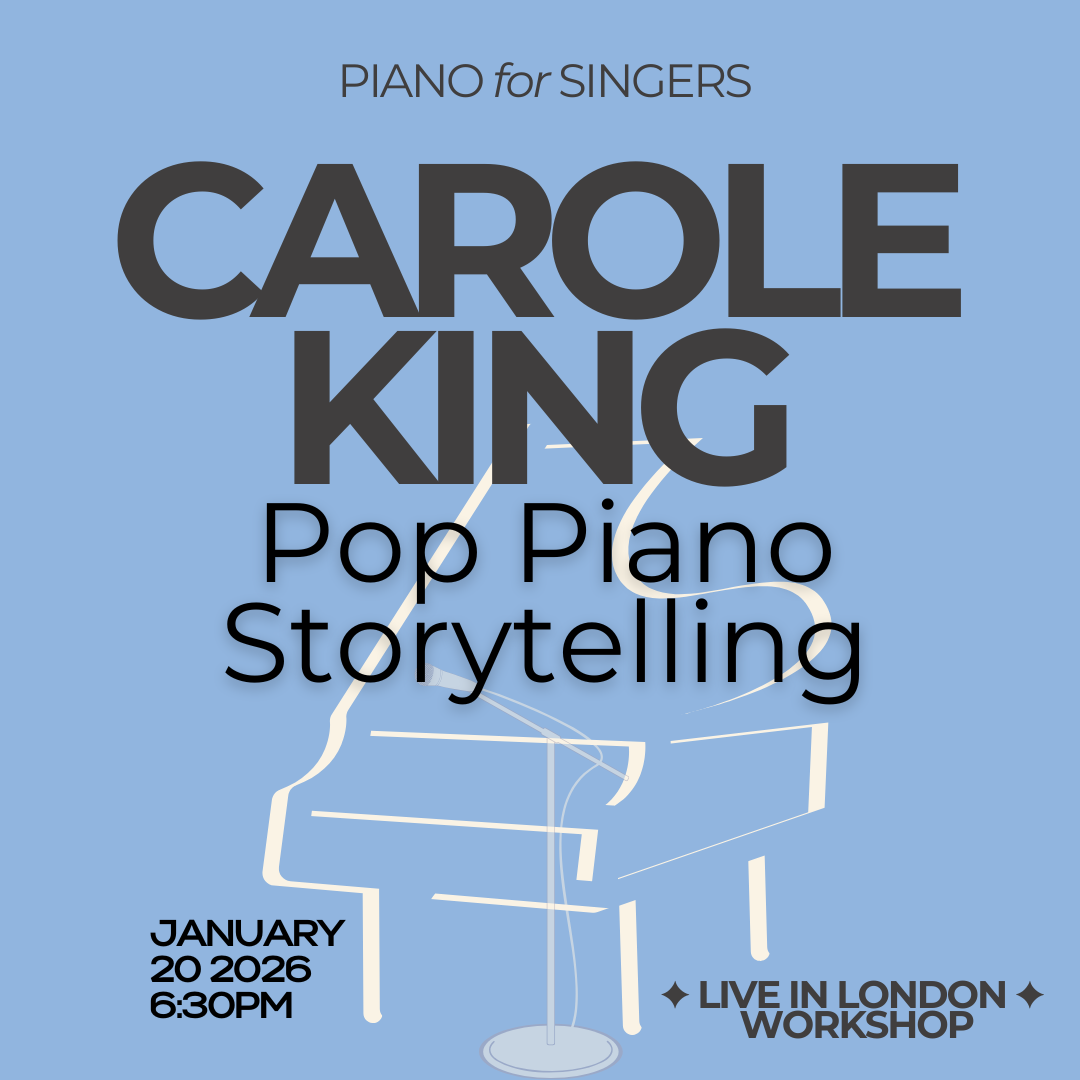
Carole King & Pop Piano Storytelling
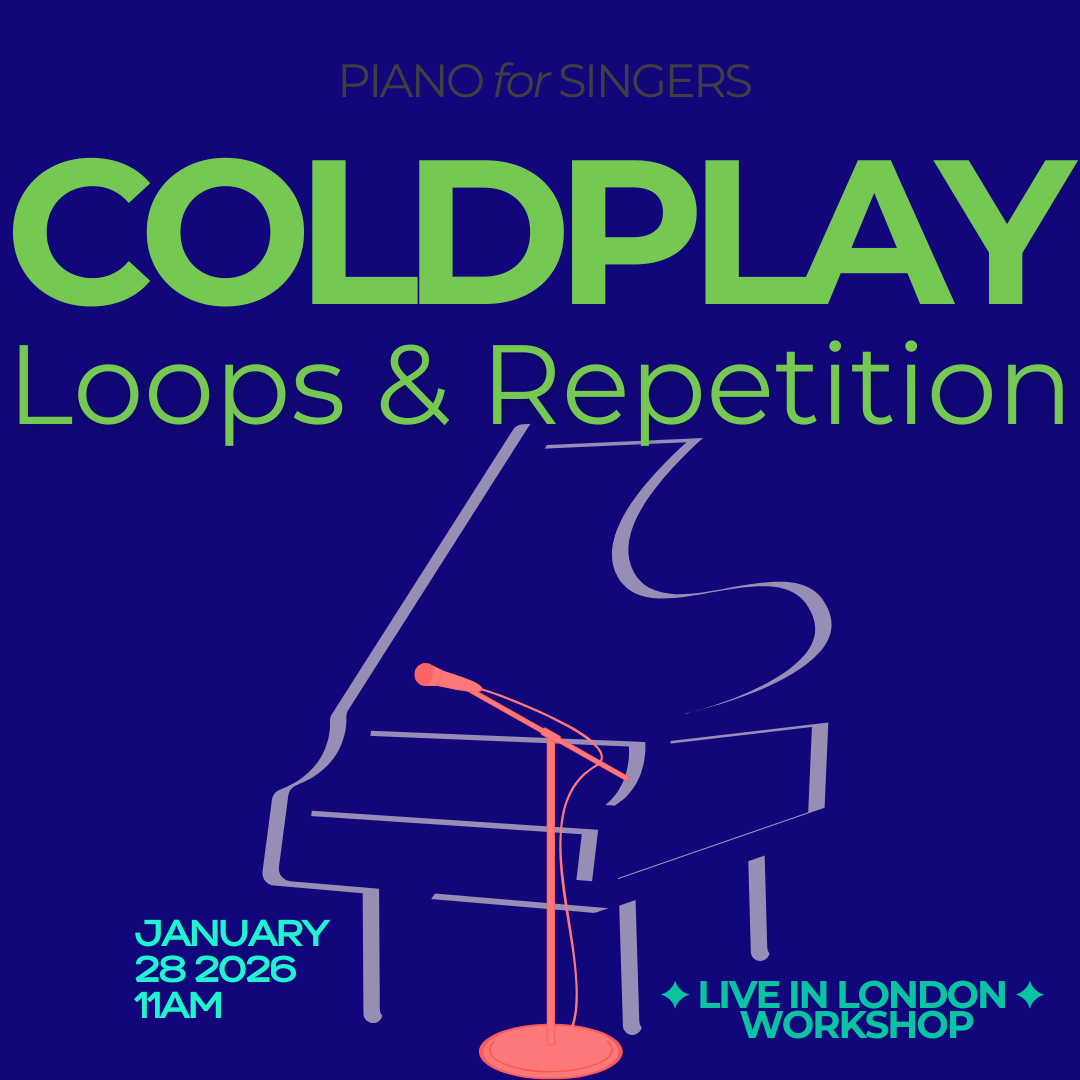
Coldplay: Loops & Repetition
Film Noir: Cinematic Songs
Nina Simone: Patterns & Presence
2020’s Pop: Hooks & Harmony
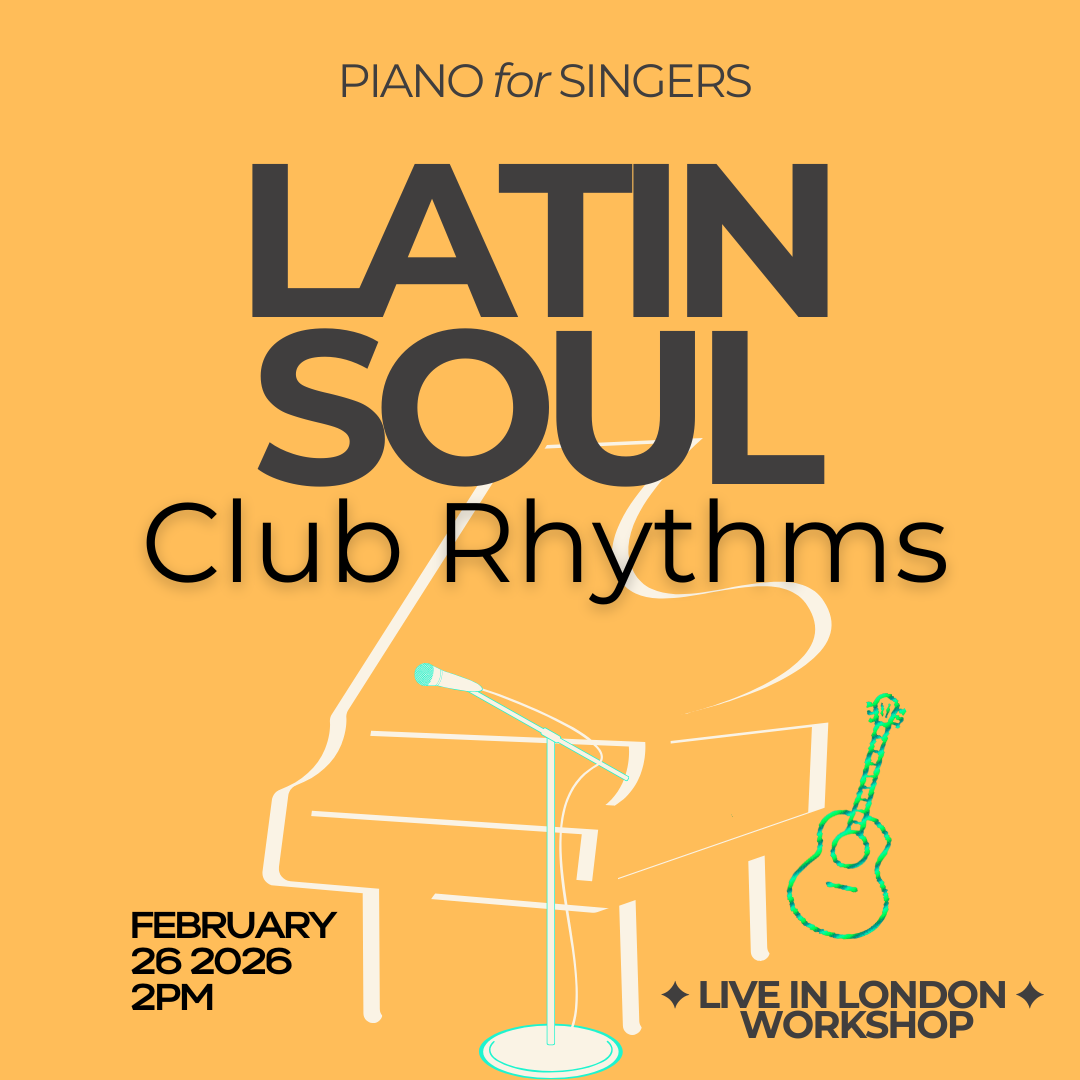
Latin-soul Club Rhythms
Lianne La Havas & Acoustic-soul
Elton & Billy: Keys, Chorus & Character
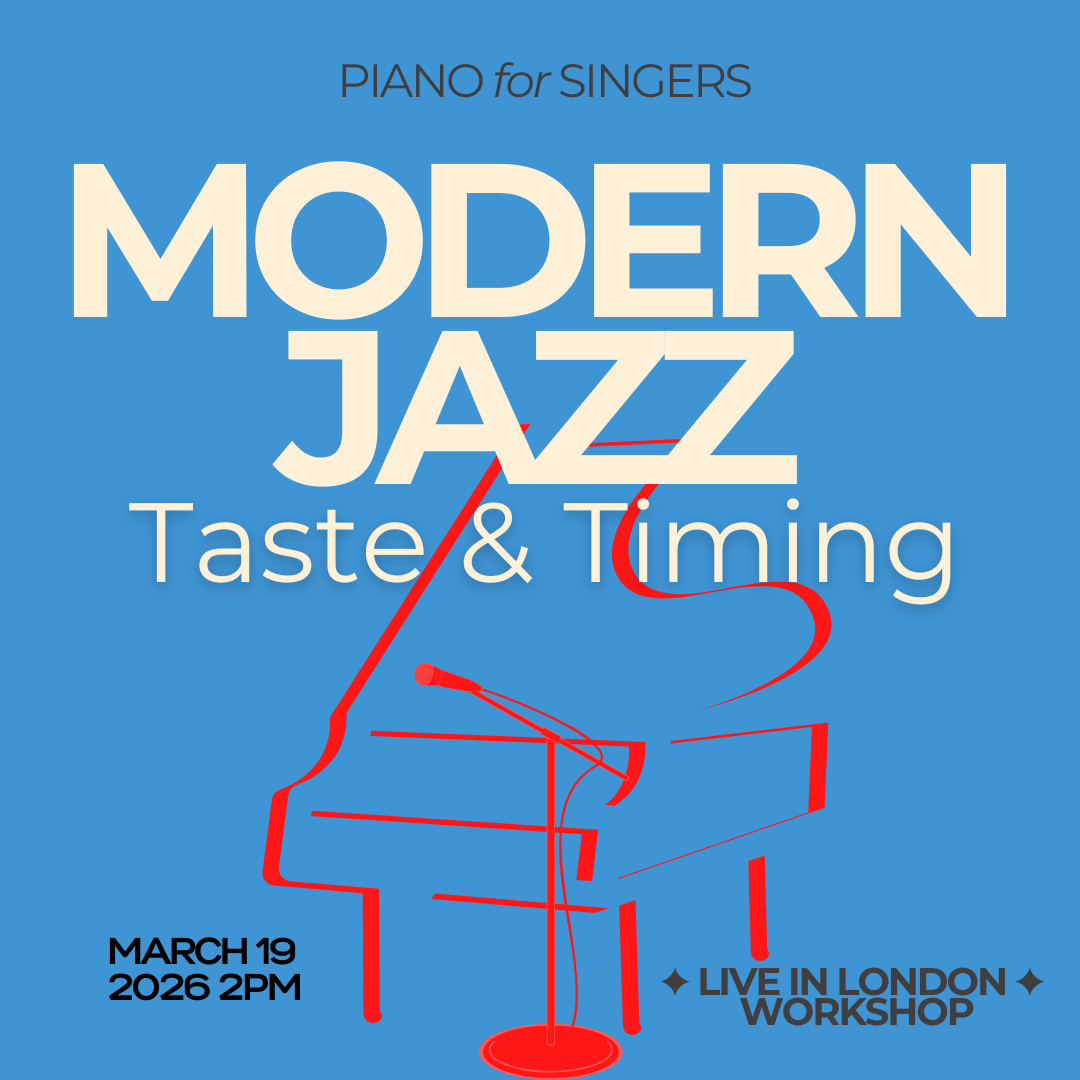
Modern Jazz Vocal Sounds

Singers who are unconfident playing the piano and singing at the same time.
Singers who are Singers who know better piano skills could make a big difference to their singing — but find it hard to get motivated to practise, or don’t know what to practise.
Singers who struggle to coordinate the piano with the singing — and keep going.
Singers who are lost on how to make a song sound special, authentic, or have that artistic something..
Singers who watch those that play and sing like: D’Angelo, Olivia Dean, Alicia Keys, Nina Simone, Stevie Wonder, Jon Batiste, Ray Charles, Sara Bareilles, Diana Krall, Taylor Swift — and think: I’d love to do some of that… but how?!
X Beginner singers who have yet to find their pitch, tone and rhythm
X Singers with no idea how to play the piano — unable to name notes or play basic chords
X Those specifically wanting to learn how to sing

1 x Workshop — £55
1 place at a Piano for Singers workshop.
Workshop dates and details are confirmed personally after booking.
3 x Workshop Bundle — £150
3 workshop places. Save £15.
Choose your workshop dates and themes as sessions are arranged, subject to availability.
Q: How are these better than a straightforward piano workshops?
A: The end goal is about learning piano to support the singing. Which means patterns, tasteful chord voicings, embellishments and choice of dynamics. Pure piano workshops will be more focused on just the piano, with perhaps learning piano repertoire and the piano playing the melody. We also tackle techniques you are unlikely to do by yourself at home, like not stopping!
Q: Is this for complete beginners?
A: No. You need to feel reasonably comfortable singing in front of others (aside from the normal nerves we hit from time to time!), know names of notes on the piano and are okay playing hands together.
Q: Will these workshops teach me to sing?
A: The focus is on playing the piano and singing at the same time. Song interpretation and style will be covered. And perhaps some guidance over vocal technique if it comes up. But there won’t be singing technical work outs. If your main aim to improve your singing - dedicated singing lessons is a better choice.
Q: Will I have to play in front of others?
A: Yes - and this is a very good thing!
Q: I'm from a classical background, new to chords and popular song styles –will these workshops help me?
A: If you’re confident with classical repertoire, you’ll likely be strong with notation and melody reading. This will give you confidence. help you understand need the ‘other’ side - chords, grooves, style patterns, embellishments, improv. I went through this transformation - painfully! - but it’s so rewarding being able to do both.
Q: Do you offer refunds?
A: Afraid not. With just 2 seats available refunds quickly gets messy. Once you sign up, you’re in!
I have another question.
Go for it! Drop a line to: hello@themagnificentsinger.com
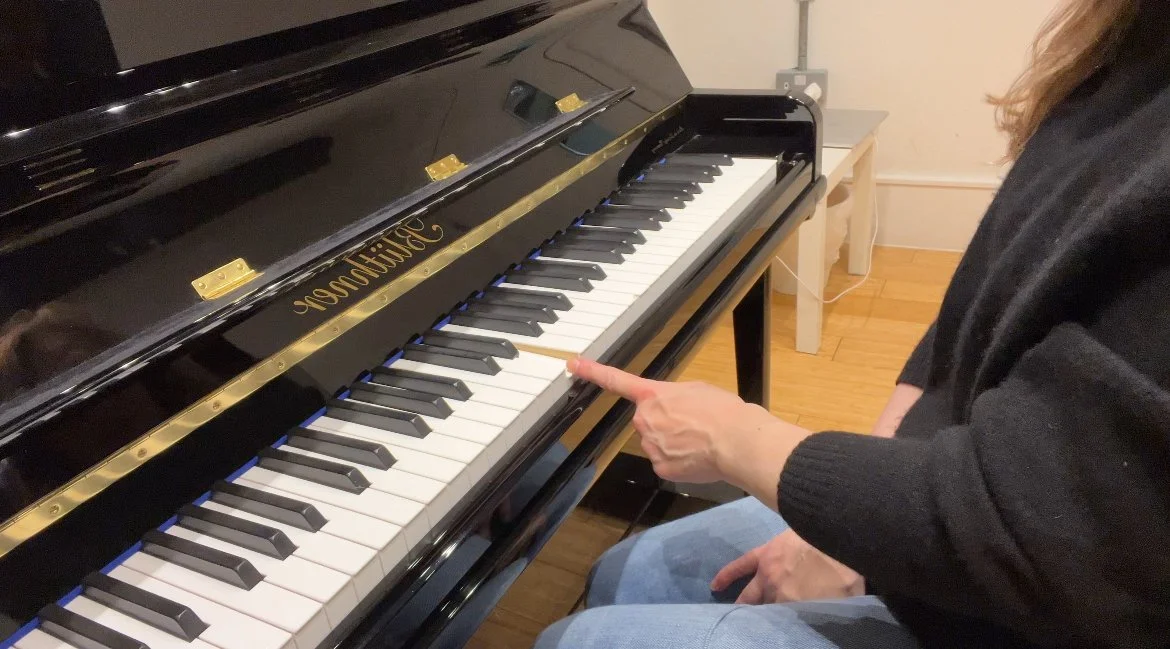
Private sessions in Central London, on world-class grand pianos.
Bond Street or Oxford Circus
Single sessions or 4-session packages
For singers who want focused, individual work on accompaniment, style and performance
Private Piano for Singers sessions for those who want to focus entirely on their own songs, piano playing and musical ambitions.
Central London · World-class grand pianos
Individual attention to your playing, singing and style.
Work on your own songs, arrangements and performance skills.
Single sessions or four-session packages.
Bond Street · Oxford Circus
✦ ENQUIRE ABOUT PRIVATE 1:1 →