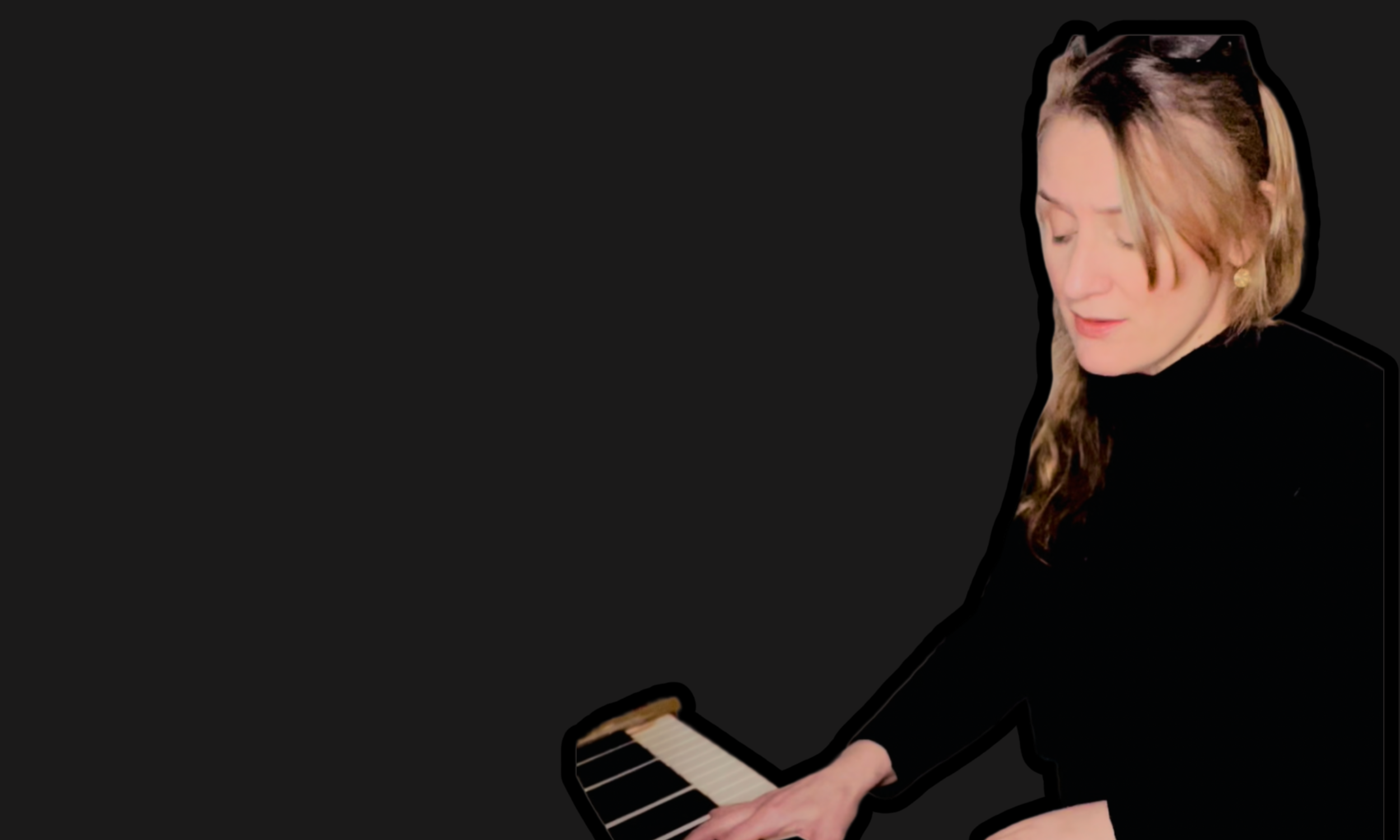
Expert singing teacher? But do they know?
PIANO for SINGING TEACHERS.
Sound this century. Modern, professional piano for singing teachers and vocal coaches.
8 WEEKS · 5 PLACES · £510

PIANO for SINGING TEACHERS.
Sound this century. Modern, professional piano for singing teachers and vocal coaches.
8 WEEKS · 5 PLACES · £510
Chances are, you love teaching singing.
You care about how your lessons go. You love the breakthroughs, the discoveries, and hearing singers suddenly do something they couldn’t do ten minutes ago.
And for the most part, you know you’re good at what you do.
But there are those moments.
A melody you’d love to break down — if only you could play it. A student arrives with a chart and expects you to accompany it. A vocal exercise needs changing for the person in front of you. You want to repeat two bars, shift the key or alter the feel without stopping the whole session.
Then there are the bigger-room moments. A choir needs its harmony parts teaching quickly. A workshop needs more energy — or less. A class is waiting while you find a track. A Higher Education student brings in repertoire you haven’t prepared. An adult-education group needs reassuring, leading and keeping together musically. A rehearsal moves somewhere unexpected and you need to follow it.
Or there’s the professional moment: another teacher is in the room. A head of department is listening. You’re considering a workshop, directing role or teaching post — and piano is part of the brief.
And sometimes the stakes are higher. Another teacher is in the room. A head of department is listening. You spot a workshop, directing role or teaching post you’d love to go for — and piano is part of the brief.
Or you hear of other coaches doing and wonder how
Or you hear about other coaches doing interesting work — directing, running workshops, leading ensembles, working with artists — and wonder whether stronger piano skills would help you do more of that too.
Or you notice the teachers who keep getting asked to do the interesting things — and wonder what makes them the obvious choice.

The legacy of the piano is huge.
Classical repertoire. Jazz improvisation. Commercial styles. Latin grooves. Sight-reading. Chord-chart interpretation. Singer accompaniment. Locking in with a rhythm section.
The list goes on.
From the outside, it can feel like standing at the foot of a mountain.
But here’s the liberating bit:
You don’t need to become an impressive blend of Herbie Hancock, Alicia Keys and Lang Lang.
In fact, jaw-dropping piano virtuosity can get in the way of teaching effectively.
A distraction from the actual job of a singing teacher or vocal coach… helping your students improve their singing.
Being able to cross that communication gap is the no.1 priority of a singing teacher. Regardless which singing world they belong to.
In fact, jaw-dropping piano virtuosity can get in the way of teaching effectively — a distraction from the actual job of a singing teacher or vocal coach: helping your students improve their singing.
You don’t need to climb the whole mountain.
Classical repertoire. Jazz improvisation. Commercial styles. Latin grooves. Sight-reading. Chord-chart interpretation. Singer accompaniment. Locking in with a rhythm section…
The list goes on.
From the outside, it can feel like standing at the foot of a mountain.
But here’s the liberating bit:
You don’t need to become an impressive blend of Herbie Hancock, Alicia Keys and Lang Lang.
And being able to play more doesn’t automatically make you better at teaching from the piano.
If the piano becomes the performance, it can pull attention away from the actual job — helping the singer in front of you.
You don’t need to climb the whole mountain.
To teach singing from the piano, you actually need three things:
The ability to play and listen to your student at the same time
Consistent playing with a musical touch — simple is good
The freedom to adjust what you play to support what your student needs
That’s a much smaller target.
And a much more useful one.
You need piano that supports your teaching.
Piano that helps you demonstrate.
Piano that helps you accompany.
Piano that helps you communicate musical ideas.
Piano that helps you lead.
That's a much smaller target.
And a much more useful one.
That's exactly what Piano for Singing Teachers is designed to help you build.
Classical repertoire, jazz improv, commercial styles, Latin grooves, sight-reading, chord chart interpretation, singer accompaniment, locking in with a rhythm section…
The list goes on. From the outside, it can feel overwhelming. This mountain to climb. But here’s the liberating bit: you don’t need to be an impressive blend of Herbie Hancock, Alicia Keys, and Lang Lang.
In fact, jaw-dropping virtuosity can get in the way of teaching effectively.
The good news?
To teach singing from the piano, you actually only need 3 things:
The ability to play and listen to your student at the same time
Consistent playing with a musical touch — simple is good
And a specific set of piano skills for your teaching methodology
Skills that might be different from mine. And different from your colleagues.
Meaning there are entire areas of piano learning you can cheerfully ignore.
Once you understand this, learning the piano stops feeling like an endless climb —
And becomes something achievable.
And, dare I say it… fun.
“It’ll help your teaching,” they say. Sensible advice, of course. Except most piano teaching isn’t designed specifically for singing teachers.
Standard piano lessons are brilliant, but they often cover reading, repertoire, scales and arpeggios. Wonderful if you actually want to learn piano.
But if, like many singing teachers, piano isn’t top of your list of priorities, that can feel like a frustrating distraction. Lots of effort put in — and still not teaching well from the piano.
Singing teachers need a specific kind of piano. Piano for teaching singing. Enough piano to accompany songs, create exercises, break down melodies, lead groups, guide song interpretation, explore style and connect with students.
“I had piano lessons and found myself practising Three Blind Mice. I really don’t want to spend time learning Three Blind Mice.”
— Piano for Singing Teachers student
You don’t need piles of repertoire, endless scales or years of formal study.
You need three things that make the piano useful in a singing lesson.
Simple is absolutely fine. Plonky isn’t.
You need enough control of rhythm, touch and dynamics for warm-ups, melodies and accompaniments to feel steady, musical and good to sing over.
The singer is the job.
You need enough command of what your hands are doing that you can hear what your student is doing — and keep teaching while you play.
Change the key. Find the melody. Alter the exercise. Simplify an accompaniment. Demonstrate a rhythm. Explore a harmony.
The piano needs to respond to the teaching — not dictate it.
Exactly which piano skills you need will depend on how you teach.
Which means there are entire areas of piano learning you can cheerfully ignore.
You don’t need piles of repertoire, endless scales, or years of formal study to use the piano as a professional teaching tool. But you do need 3 specific abilities that make teaching easier, more musical, and more you. Just master these.
Everything else? Optional. Or for later.
To teach singing from the piano, you need three things:
Your student doesn’t care if you can play Beethoven, but they sure know if you are genuinely listening to them. You need enough keyboard confidence to find melodies, create exercises, change key, demonstrate ideas and respond to what is happening in the room — while keeping your focus where it belongs: on the singer in front of you.
Your piano skill may be beginner, but you’re not a beginner at music. Heavy dynamics, clumpy chords and stop-start piano disrupt the flow of warm-ups and song accompaniments. You need enough coordination, rhythm and touch to create a simple, musical sound that supports the voice and keeps the lesson moving.
Simple is absolutely fine. Plonky isn’t.
Skills that might be different from mine. And different from your colleagues’.
Meaning there are entire areas of piano learning you can cheerfully ignore.
Once you understand this, learning piano stops feeling like an endless climb. It becomes something achievable. And, dare I say it, fun.
Play and listen
The ability to play and listen to your student —allowing you to control the lesson, make small adjustments on the spot, and guide them through in the moment.
Play with feeling (not clunk)
Clumsy piano playing is deeply annoying to the singing teacher. Your piano skill may be beginner, but you’re not a beginner at music. Heavy dynamics, clumpy chords and stop-start piano disrupts a warm up flow, It’s frustrating, not enjoyable and your students notice it too
Patterns, not pieces
You need custom piano patterns. The exact set of piano patterns for your singing teaching, vocal coaching or choir leading. Different to mine, different to your colleagues. Exact to you.
The ability to play and listen to your student at the same time
Consistent playing with a musical touch—simple is good
A specific set of piano skills for your teaching methodology
Skills that might be different from mine.
And different from your colleagues’.
Meaning there are entire areas of piano learning you can cheerfully ignore.
Once you understand this, learning piano stops feeling like an endless climb.
It becomes something achievable.
And, dare I say it, fun.
For this, you don’t need endless scales, years of formal study, or piles of repertoire.
You need 3 specific abilities that make teaching more connected, more musical, and far less stressful. ✦ 3 things singing teachers actually need from the piano
Singing teachers don't need concert pianist skills. They don't need to spend the next ten years learning repertoire. And they certainly don't need to become a part-time jazz virtuoso. What they do need is a specific set of piano skills that make teaching easier, more musical and more enjoyable.
Your student doesn’t care if you can play Beethoven, but they sure know if you are genuinely listening to them or not. Many singing teachers become so occupied with finding notes, remembering patterns and managing the keyboard that they stop fully listening to the student.
Your student doesn’t care if you can play Beethoven, but they sure know if you are genuinely listening to them or not
You need enough keyboard confidence to find melodies, create exercises, change key, demonstrate ideas and respond to what is happening in the room — all while keeping your focus where it belongs: on the singer in front of you.
Clumsy piano playing is deeply annoying to the singing teacher. Your piano skill may be beginner, but you’re not a beginner to music. Heavy dynamics, clumpy chords and stop-start piano disrupts a warm up flow, It’s frustrating, not enjoyable and your students notice it too. Plonky piano isn’t inspiring to sing over. And it annoys your advanced musicality, making this unattractive sound. Heavy dynamics, clumpy chords and stop-start piano disrupts a warm up flow and song accompaniments. Plonky piano isn’t inspiring to sing over.
And it annoys your advanced musicality, making this unattractive sound.
Heavy dynamics, clumpy chords and stop-start piano disrupts a warm up flow and song accompaniments.
Frustrating all round.
And tracks may be consistent but they are static and can create a barrier
Piano happens in real time.
You can respond immediately to what you're hearing.
Slow something down.
Repeat a phrase.
Change key.
Extend a section.
Follow the student's energy.
Build on a breakthrough the moment it happens.
Instead of managing technology, you're making music together.
That creates flow, trust and rapport.
And over time, it helps lessons feel less like a series of exercises and more like a shared musical experience.
You need enough coordination, rhythm and touch to create a simple, musical sound that supports the voice and keeps the lesson moving.
You need custom piano patterns. The exact set of piano patterns for your singing teaching, vocal coaching or choir leading. Different to mine, different to your colleagues. Exact to you.
You don't need every piano skill imaginable. You need the right ones. We call this your Professional Piano Portfolio. A personalised collection of custom piano patterns for warm-up, accompaniment, rehearsals. and teaching resources chosen specifically for your students, your teaching style and your ambitions.
The most useful piano skillset is often the one that supports your future career.
Perhaps that's leading choirs.
Running workshops.
Teaching commercial styles.
Creating warm-ups.
Accompanying auditions.
Directing showcases.
Building a distinctive studio.
Or becoming the teacher people remember and recommend.
The good news is that you don't need every piano skill imaginable.
You need the right ones.
We call this your Professional Piano Portfolio.
A personalised collection of custom piano patterns for warm-up, accompaniment, rehearsals.
and teaching resources chosen specifically for your students, your teaching style and your ambitions.
We call this your Professional Piano Portfolio.
And it’s matched to the personality, voice types, repertoire choices of your students in your 121 or workshops.
The exact set of piano patterns for your singing teaching, vocal coaching or choir leading. Different to mine, different to your colleagues. Exact to you.
Different to mine.
Different to your colleagues.
Built for the singing teacher you are becoming.
Patterns help you:
build better warm-ups
find and break down melodies
understand harmony
read and use chord charts
create accompaniments that support the singer
play grooves, phrasing ideas and riffs
move material into different keys
lead lessons, workshops and rehearsals more easily
Traditional piano learning often asks you to spend weeks mastering one piece. Then you finish it and move on to another.
That is not especially useful when a student arrives on Tuesday with a song you’ve never heard, wants it lowered by three semitones and needs help with the middle eight before catching a train.
A useful pattern travels.
It can become a warm-up. An accompaniment. A way of breaking down melody or harmony. A groove. A starting point for a chord chart. Something you can move into another key, adapt for another voice or use with another song.
Because the goal isn’t simply to remember where your fingers go.
It is to be able to play, listen, respond, communicate and lead at the same time.
That is when piano stops feeling like another thing to manage — and starts becoming part of how you teach.
Patterns are:
the foundation of commercial-style teaching
the secret behind great vocal warm-ups, breaking down melody and vocal harmonies
the key to reading chord charts — never be scared of a chart again
the engine of rhythm, great phrasing and riffs
the doorway to beautiful accompaniment that supports the singer
the fastest route to flow and rehearsing large groups
Patterns train your hands so your ears can stay on your student.
One pattern can then support:
dozens of songs
multiple warm-ups
different keys
different voice types
private lessons
workshops
classes
rehearsals
online teaching
That is a rather better return on your practice time than perfecting Three Blind Mice.
Traditional piano learning often asks you to spend weeks mastering one piece.
Then you finish it and begin another.
That is not particularly helpful when a student arrives on Tuesday with a song you’ve never heard, wants it lowered by three semitones and needs help with the middle eight before catching a train.
For singing teachers, reusable musical patterns are far more useful.
A pattern can become a warm-up. An accompaniment. A way of breaking down harmony. A groove. A starting point for a chord chart. Something you can move into another key, adapt for another voice or use with another song.
Because the real goal isn’t simply to remember where your fingers go.
It is to be able to play, listen, respond, communicate and lead at the same time.
That is when piano stops feeling like another thing to manage.
And starts becoming part of how you teach.
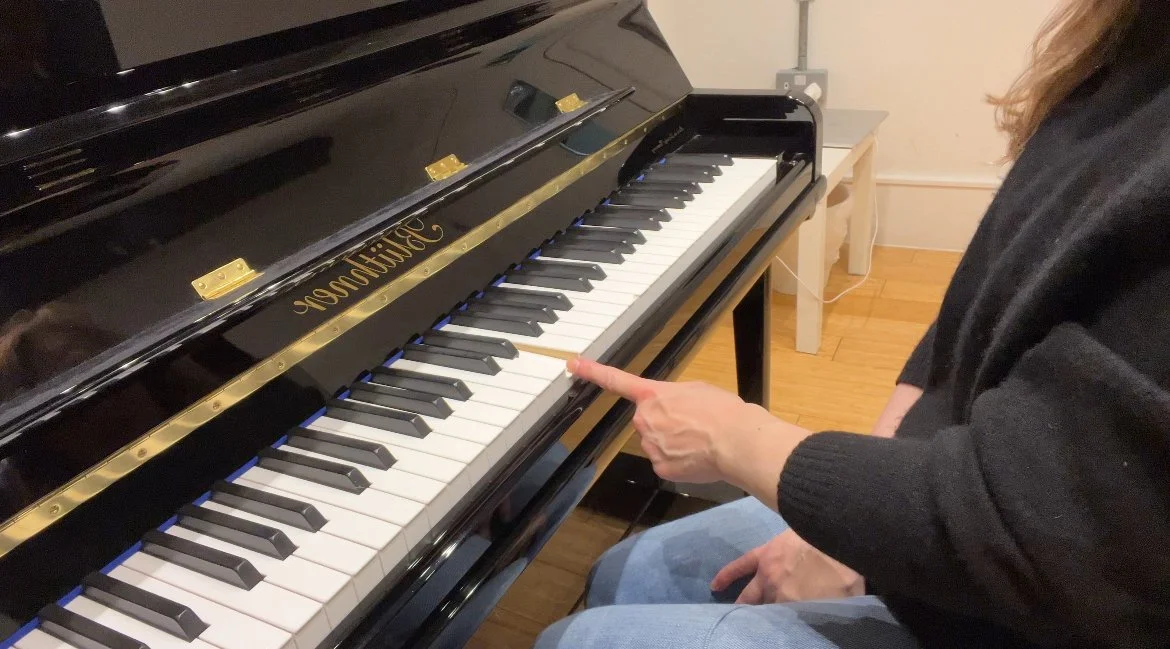
Not a few generic scales and chords with “for singing teachers” added to the title.
A non complicated online accelerator for singing teachers, vocal coaches and workshop leaders. Get , eight-week teaching and career upgrade built around your students, your specialism and where you want your work to take you next.
Build the exact piano skills you need to create warm-ups, teach melodies, accompany songs and lead confidently from the keyboard — while developing a more musical, distinctive and flexible teaching offer.
SUMMER 2026 · 8 WEEKS · 5 PLACES · £510
Not a few generic scales and chords with “for singing teachers” added to the title.
Piano for Singing Teachers is an eight-week online programme built around the piano skills singing teachers actually use.
Short patterns. Practical challenges. Feedback. Live application.
So instead of spending months “learning piano first”, you start using what you learn in your teaching straight away.
Create better warm-ups. Find and teach melodies. Change key. Read chord charts. Accompany songs. Shape rhythm and phrasing. Lead from the keyboard.
The aim is simple: less time managing the piano, more freedom to use it as part of the lesson.
2026 · 8 WEEKS · 5 PLACES · £510
@Bluthner Piano Studios
Whether you consider yourself a teacher, coach, educator, facilitator, director — or something else — there’s no one way to be a singing teacher.
A Musical Theatre mentor may need Disney warm-ups, melody breakdowns, rehearsal accompaniment and quick transposition. A commercial vocal coach may prioritise groove-based warm-ups, pop accompaniment patterns, chord-chart confidence and artist-development tools. A choir or workshop leader may need cueing, harmony teaching, group energy management and the confidence to lead from the piano.
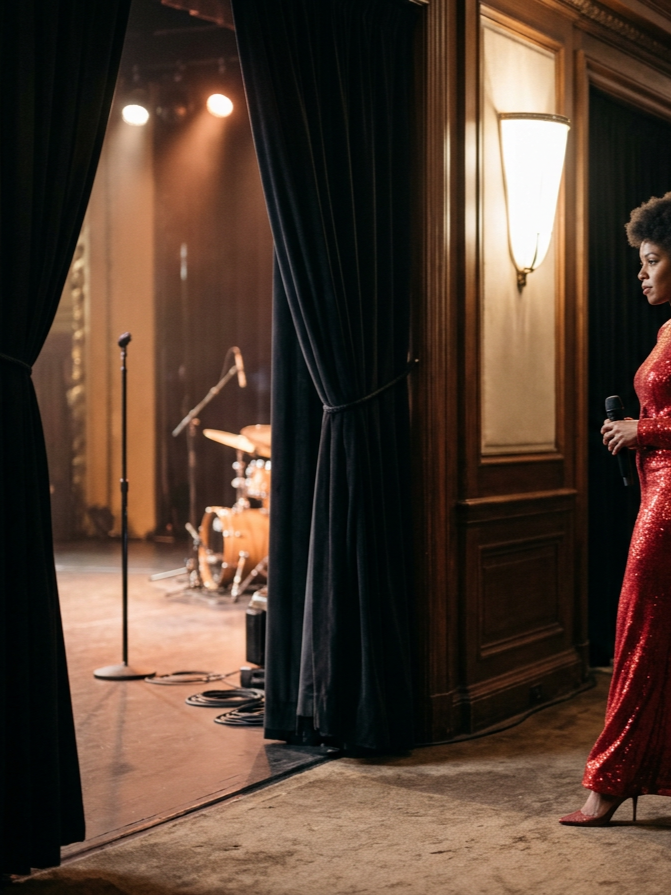

The Musical Theatre Mentor
The Musical Theatre Mentor
Disney warm-ups
melody breakdowns
rehearsal accompaniment
quick transposition
The Choir & Workshop Leader
cueing
leading from the piano
group energy management
harmony teaching
A Musical Theatre mentor may need Disney warm-ups, melody breakdowns, rehearsal accompaniment and quick transposition. A commercial styles vocal coach may prioritise groove-based warm-ups, pop accompaniment patterns, chord-chart confidence and artist-development tools. A choir or workshop leader may need cueing, harmony teaching, group energy management and the confidence to lead from the piano.
The Commercial Styles Vocal Coach
groove-based warm-ups
pop accompaniment patterns
chord-chart confidence
artist-development tools
The goal isn't to turn you into a pianist. The goal is to help you build your Professional Piano Portfolio.
Your collection of: warm-up patterns, Melody and harmony tools, Accompaniment approaches, Rehearsal techniques, Workshop and choir-leading skills, Teaching shortcuts, Piano resources tailored to your students.
A Musical Theatre mentor will build a different portfolio to a jazz educator.
A pop choir leader will need different tools to a voice science specialist.
A commercial vocal coach will prioritise different skills to a classical crossover teacher.
No two singing teachers are the same. And their piano shouldn't be either.
No two singing teachers are the same.
A Musical Theatre mentor will need different piano skills from a commercial vocal coach.
A choir leader will need different tools again.
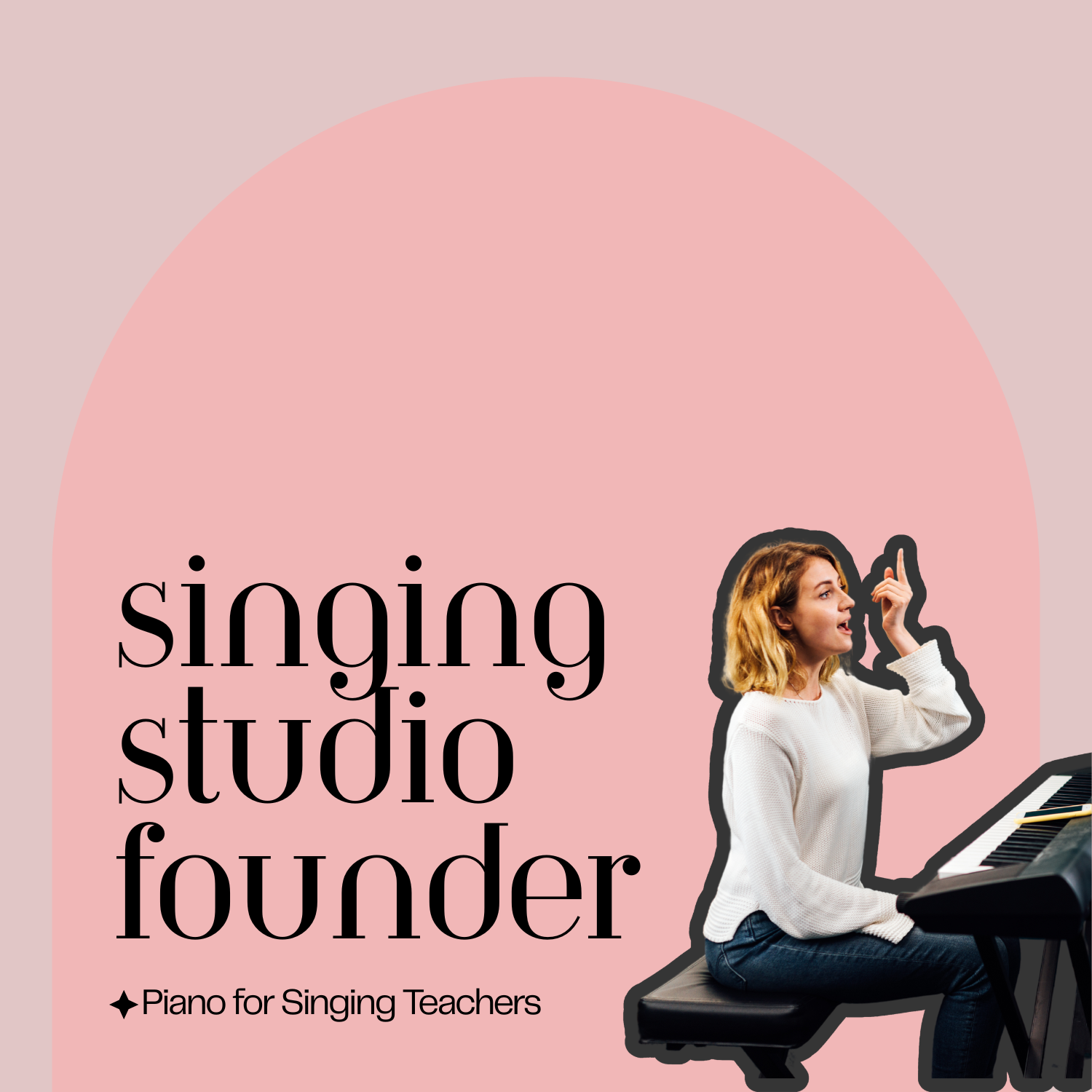
A classical crossover teacher, studio founder, workshop leader or artist-development coach may all use the piano in completely different ways.
So there is no single piano syllabus every singing teacher needs to master.
You need the right piano for the teacher you are.
We call this your Professional Piano Portfolio.
A carefully chosen collection of piano skills, patterns and resources built around:
your students
your repertoire and styles
your teaching methodology
the situations you regularly work in
the work you want to do next
That might include warm-up patterns, melody and harmony tools, accompaniment approaches, rehearsal techniques, chord-chart skills, group-leading tools or ways of teaching style and interpretation.
The point is not to learn all of piano.
It is to work out what will genuinely strengthen your teaching — and cheerfully ignore the rest.
Different to mine. Different to your colleagues’. Built for the singing teacher you are becoming.
PIANO for SINGING TEACHERS
The key ingredients for teaching singing with piano.

✦1. Progressions
Keys, chords and where to put your hands knowing it will support your students. Progressions give you the harmonic foundations to support warm-ups, songs and exercises without constantly worrying about getting it wrong. The foundation of fearless playing. Less I hope this works. More Let’s see what music we can make today. Incredibly useful for drawing out the song story and an artistic, connected performance. Never be scared of a chord chart again — no matter what gets put in front of you last minute.
✦2. Pocket
Even simple pop ballads have a pocket. Locking in is what gives commercial styles groove and feel — and it is one of the biggest adjustments for many classically trained pianists. So important for singing teachers who work with musical theatre, popular styles, and even some contemporary classical. You will explore how rhythm works at the piano, from straightforward popular styles to jazz, soul, funk, Latin and R&B.
✦3. Posture & Presence
Use the piano without compromising your singing voice — and develop the teaching presence to lead groups independently. Learn how to play, speak, listen, demonstrate and lead from behind the keyboard without hunching over the keys, straining your voice or undoing years of tension-free vocal work. Particularly important when you are leading groups, workshops and choirs, where you need to stay comfortable, communicate clearly and remain visibly in charge. No wrecked back after a long day of teaching! No disappearing behind the piano. More independence, authority and ease.
✦4. Professional Polish
Making a beautiful sound — yes, even on that school piano with three troublesome keys or the budget keyboard you bought online. This matters hugely. Your musical ears and aesthetic are already highly developed — clumsy, heavy or disconnected playing is likely to irritate you enormously, and your students will notice it too. Play with a professional “touch” to create a sound that singers actually enjoy singing over. Less banging out the notes. More connection and intention.
✦5. Purpose
In lessons are we connecting, coaching, or are we accompanying? Lessons demand different needs which in turn requires different approaches from the piano. With some students we play with drive - hello chatty group! - but a nervous student may need space. A technical exercise may need clarity. A song may need atmosphere. Purpose is the ability to choose how you play according to what is happening in the room — rather than using the same approach for every student and hoping for the best.
✦6. Personality
✦6. Positioning.Even the most career-modest singing teacher has a particular way of working. You may specialise in musical theatre, commercial styles, classical technique, artist development, choirs, young performers or something far more specific. Becoming clearer about what you do helps you decide which piano skills are genuinely useful for your teaching now — and which ones may open up more interesting opportunities in the future. And yes, it helps with marketing, attracting job offers and interesting projects. But more importantly, it stops you wasting years trying to become a general pianist when what you actually need is a piano style that supports the teacher you are.
The focus is high-level, beautiful, musical, stylistically authentic playing. A collection of piano skills. This isn’t a piano course, and it’s not one-size-fits-all. It’s a teaching upgrade — built around you, your lessons, and your students.
We start where you are — and consider where you’d like to end up.
The idea is to make small adjustments consistently — until you are intinctively reaching for the piano — you know how when and why — and you feel confiudence in what uyou bring
Two different starting points.
For piano beginners, avoiders and lapsed players.
Perhaps:
you avoid the piano or use it in a half-hearted way
you feel embarrassed using it in lessons
you rely heavily on tracks
you wish you could break down melodies and personalise vocal warm-ups
you feel lost around chords
song accompaniment takes too long to prepare
you have tried learning piano before but didn’t enjoy it
your previous piano experience is in the dim and distant past
You do not need to arrive able to read music or accompany songs.
You will need to know — or be willing to learn — the basic names of the notes.
The aim is useful, musical, lesson-ready piano without committing your life to becoming “a proper pianist”.
For classically or traditionally trained teachers wanting more authentic commercial styles.
Perhaps:
you can play the piano, possibly quite well
your playing becomes stiff or overly classical around contemporary repertoire
you are confident with notation and melody reading
chords and chord charts feel less familiar
you become stuck when asked to play in pop, gospel, Latin, jazz, soul or swing styles
you want more grooves, style patterns, riffs, embellishments and improvisation
you would like more styles under your fingers to support your students and open up different job options
You may already have a strong piano technique.
The shift is learning how to apply it differently.
Warm-ups · Melody · Pitch · Chords · Accompaniment · Transposition · Listening · Leading from the piano
Your route through the material depends on where you are now.
I think that last line is important because it stops the two pathways feeling like two separate courses. They’re two entry points into the same programme.
Same programme. Different starting points.
For piano beginners, avoiders and lapsed players.
You may recognise yourself if:
you avoid using the piano unless you absolutely have to
you rely heavily on tracks or YouTube
chords still feel mysterious
you want to create and adapt warm-ups more easily
you need to break down melodies and help students find pitches
song accompaniment takes far too much preparation
you’ve tried learning piano before and wondered what any of it had to do with teaching singing
You do not need to arrive able to read music or accompany songs.
The aim is useful, musical piano you can actually use in your lessons — without committing your life to becoming “a proper pianist”.
For classically or traditionally trained teachers who can already play — but want their piano to sound and behave rather differently.
You may recognise yourself if:
you can read notation, possibly very well
your playing becomes stiff or overly classical around contemporary repertoire
chord symbols feel less natural than written notes
pop, soul, jazz, Latin, R&B or musical theatre styles don’t yet sit comfortably under your hands
you want more groove, feel, riffs, voicings and accompaniment choices
you want your piano playing to support contemporary singers as convincingly as your vocal teaching does
You may already have considerable piano technique.
The shift is learning to use it differently.
Warm-ups · Melody · Pitch · Chords · Accompaniment · Transposition · Listening · Musical sound · Leading from the piano
Your route through the material depends on where you are now — and what belongs in your Professional Piano Portfolio.
Path ① Lesson Ready Piano
Path ① Lesson Ready Piano
The goal is not to become a concert pianist. The goal is to become a more musical, confident and expressive singing teacher.
Learn musical shapes you can reuse, adapt, transpose and teach with — instead of painstakingly memorising isolated piano pieces.
Whether you want to lead choirs, teach contemporary styles, run workshops, accompany students or stop professionally avoiding the piano — your training is shaped around where you actually want to go.
Improve while you are teaching real students, instead of disappearing behind the scenes for months “learning piano properly”.
The critical core piano skills that, frankly, make you sound accommplished, musical and give a “ — whether you are filling gaps or starting almost from scratch.
Flexible, practical learning designed to fit around your teaching schedule. Not conservatoire conditions and eight spare hours a day.
Modern piano patterns for singing teachers tired of sounding accurate but uninspiring.
Move on from the same old generic stuff! Flex your musical creativity and create unique exercises , drills, riffs and warm ups. Gospel grooves drills, cinematic song sketches, “Disney Villain Warm-Ups”, Soul Queen sketches, Big chorus features. Ideas that help with dynamic shading, tension, pace, storytelling and emotional colour — not just shapes.
Weekly personalised video feedback to help you refine your playing, musicality and teaching application— reassurance you are heading in the right direction!
Because the piano is not just for accompaniment. It can energy, authority, atmosphere, leadership and will help you hold the room - even if there’s forty of them, and just one of you.
Discard all the nice to haves, and you are left with a tight group of achievable piano skills that will serve you now and in the future. Piano skills that actually matter for your teaching — not years of unrelated exercises, repertoire and theory detours.
The lesson and career shifts
Piano is not the only teaching tool, but it’s a powerful one.
Not “basic keyboard skills.” Proper, usable piano that becomes part of your teaching identity and professional offer.
It signals musical competence before you’ve even opened your mouth. Particularly popular with heads of department, schools, parents and workshop organisers.
Genuinely support modern singing styles, not just traditional vocal exercises. Confidently teach, demo and accompany across contemporary pop, jazz, musical theatre and singer-songwriter repertoire.
Handle rehearsals, workshops and teaching situations more independently — without needing tracks, accompanists or constant backup.
More musical flow. Better demonstrations. Less stopping to find tracks. Sessions start feeling polished, musical and genuinely memorable.
The piano mirrors singing back to you in a way that deepens musical understanding, phrasing, arrangement ideas and stylistic imagination.
Not just deliver information more efficiently. Piano helps many singing teachers uncover their own musical flavour, niche and teaching personality.
Expand into workshops, choirs, group teaching, accompaniment, musical direction and more contemporary teaching environments with greater confidence and ease.
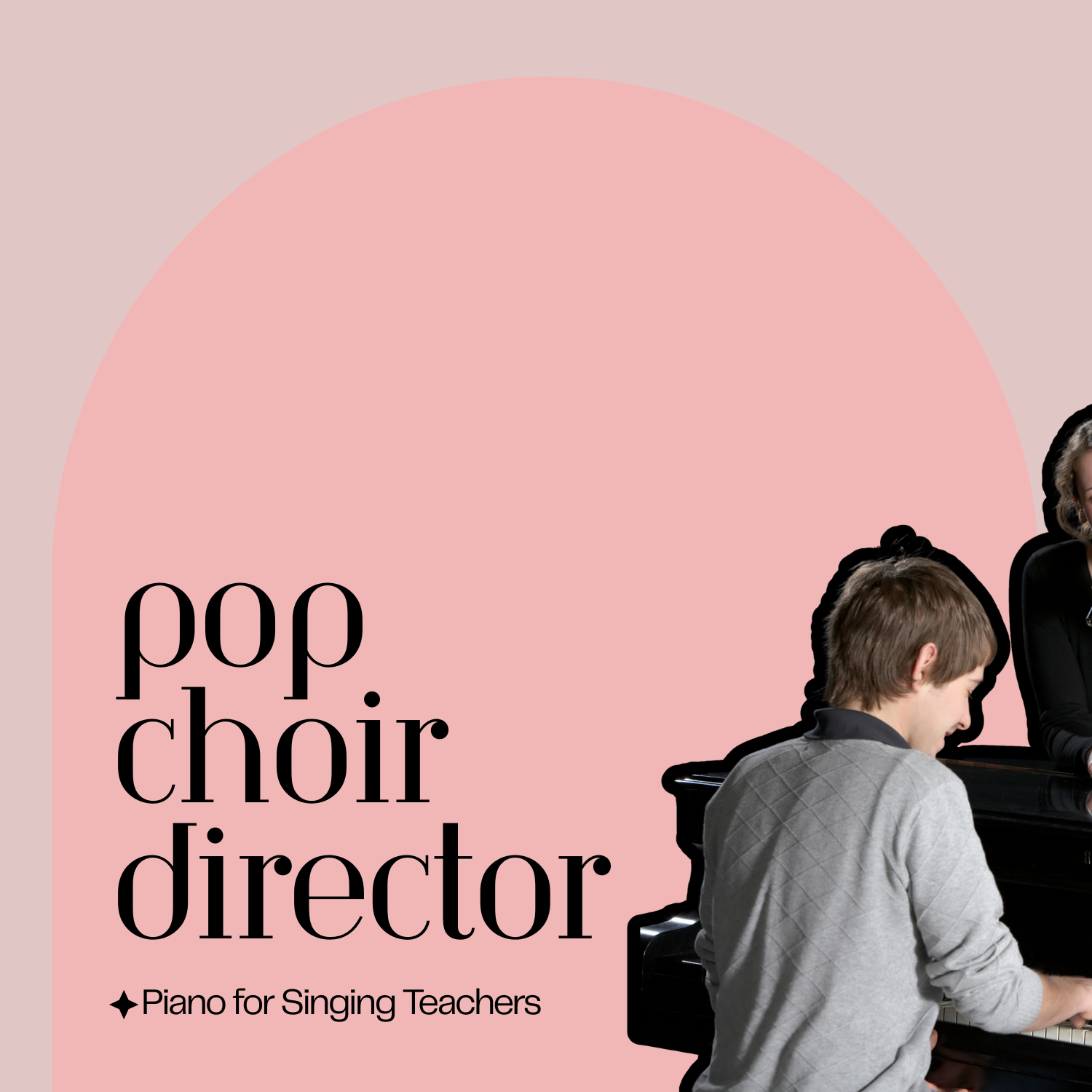
Handle rehearsals, workshops and teaching situations more independently — without needing tracks, accompanists or constant backup.
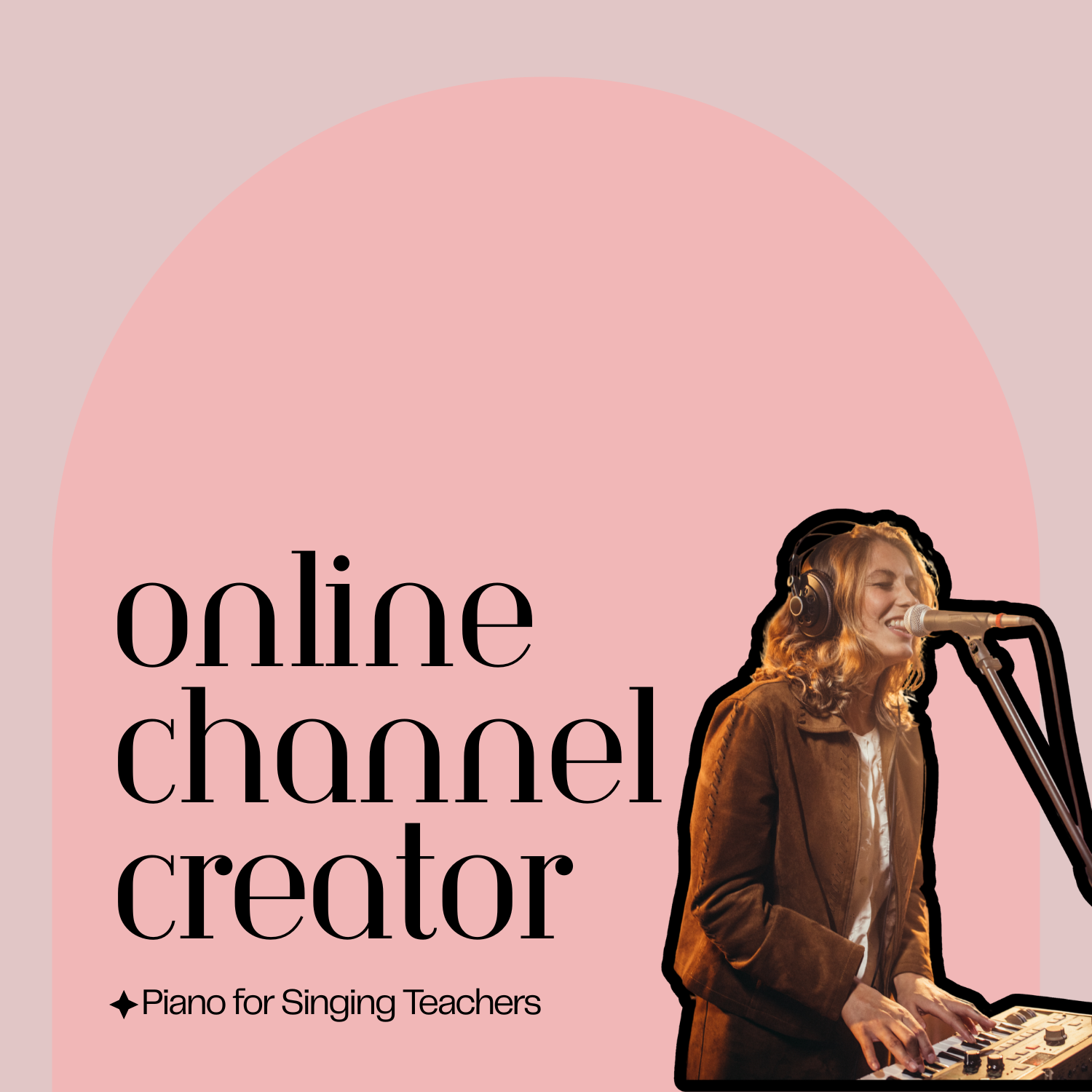
The piano mirrors singing back to you in a way that deepens musical understanding, phrasing, arrangement ideas and stylistic imagination.
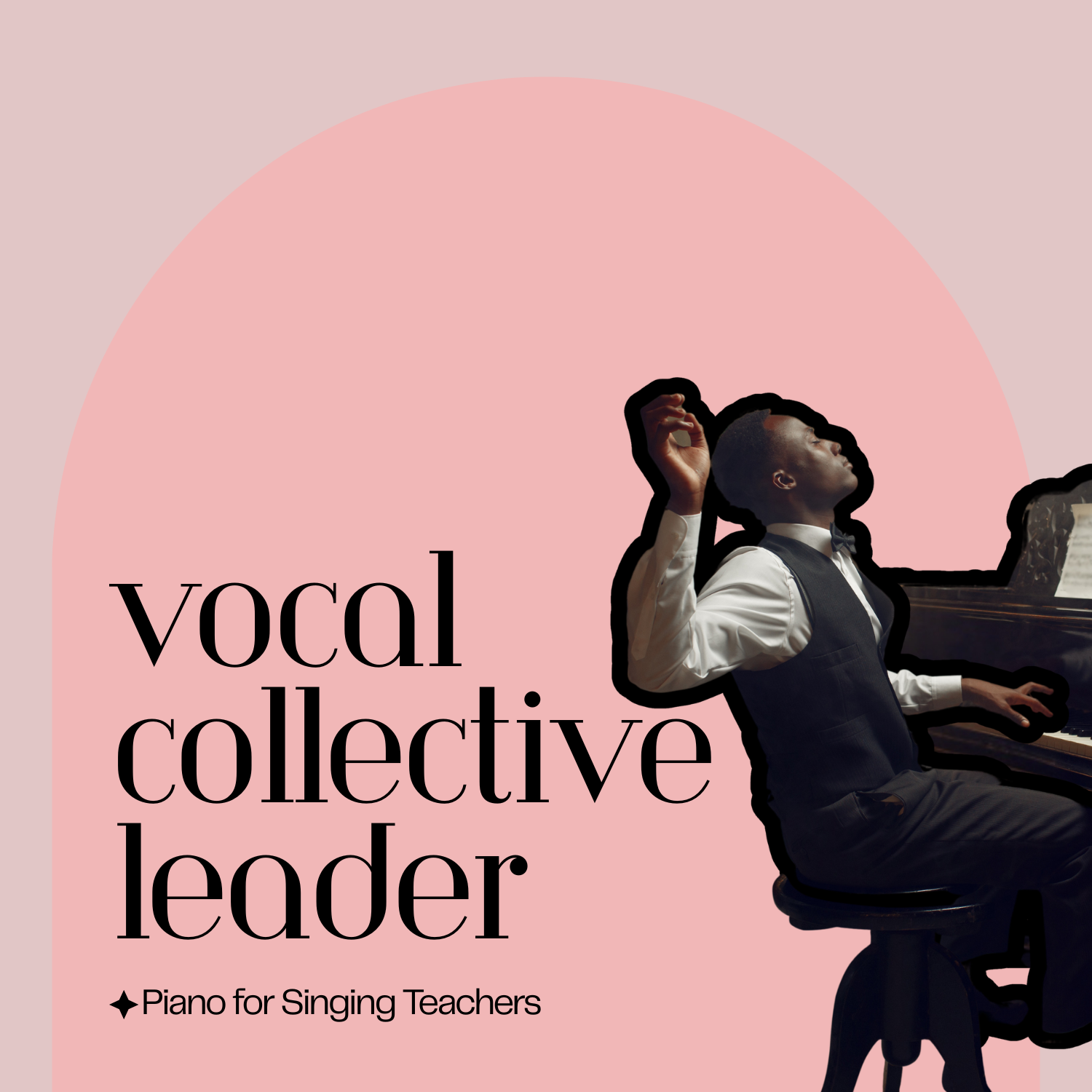
Not just deliver information more efficiently. Piano helps many singing teachers uncover their own musical flavour, niche and teaching personality.
This is not only about smoother warm-ups.
6. Where Success/Money Comes from
Useful piano skills can support you in:
private singing teaching
audition and exam preparation
contemporary and commercial styles
choir and vocal-group leadership
harmony teaching
workshops and masterclasses
educational settings
rehearsals and showcases
online teaching and content
songwriting and arrangement work
musical direction
singer-pianist performance
You do not need to pursue all of those.
That would rather defeat the point of personalisation.
But when your piano skills are aligned with your teaching strengths, you have more options.
You can create a workshop instead of waiting to be invited into one.
Lead a group without automatically hiring someone else.
Work across a wider range of repertoire.
Build something more individual than the standard singing lesson offered by everybody within a ten-mile radius.
Piano becomes professional leverage.
Not because playing a few chords automatically makes somebody an exceptional teacher.
It does not.
But visible musicianship helps people understand the depth of what you bring.
They can hear it before you explain it.
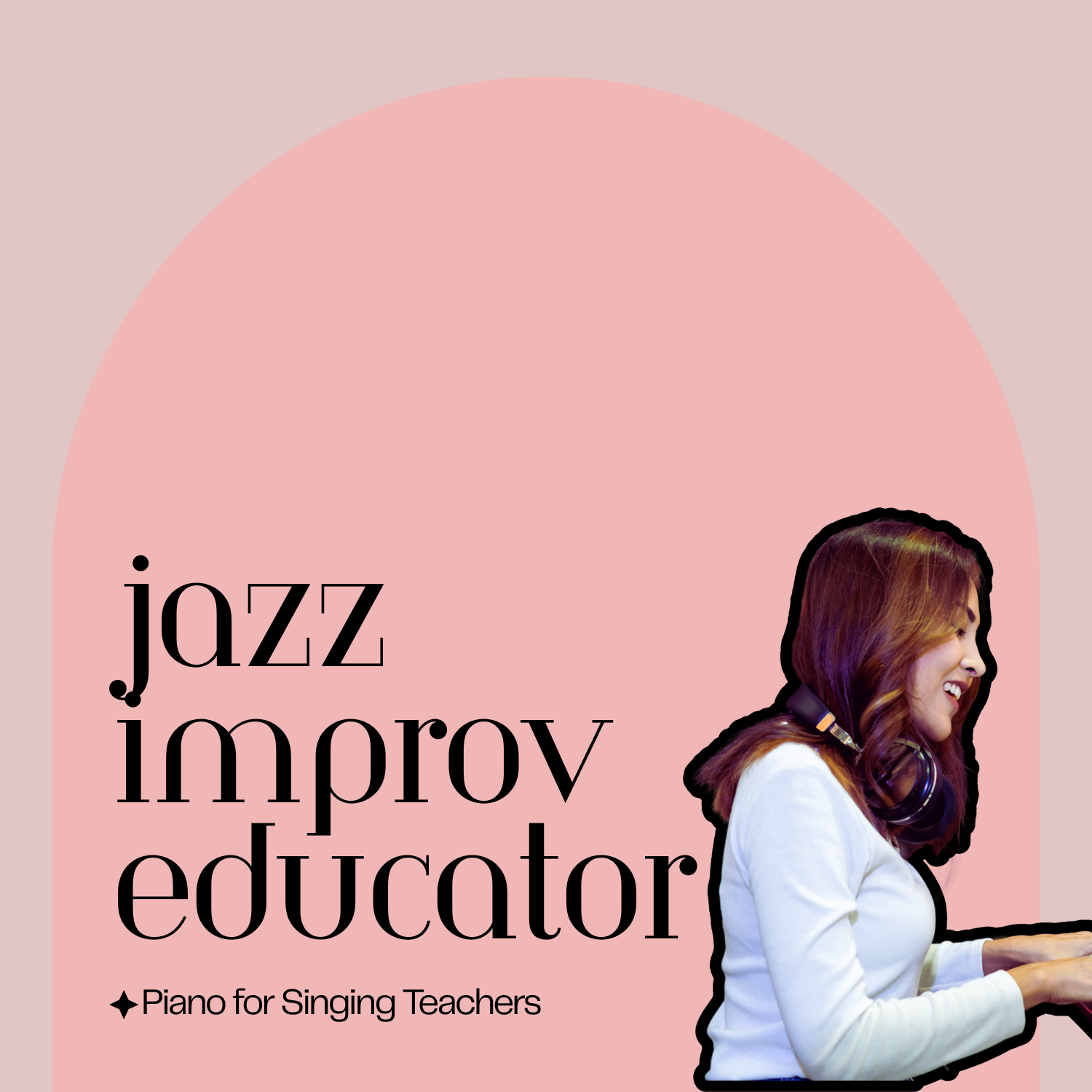
Expand into workshops, choirs, group teaching, accompaniment, musical direction and more contemporary teaching environments with greater confidence and ease.
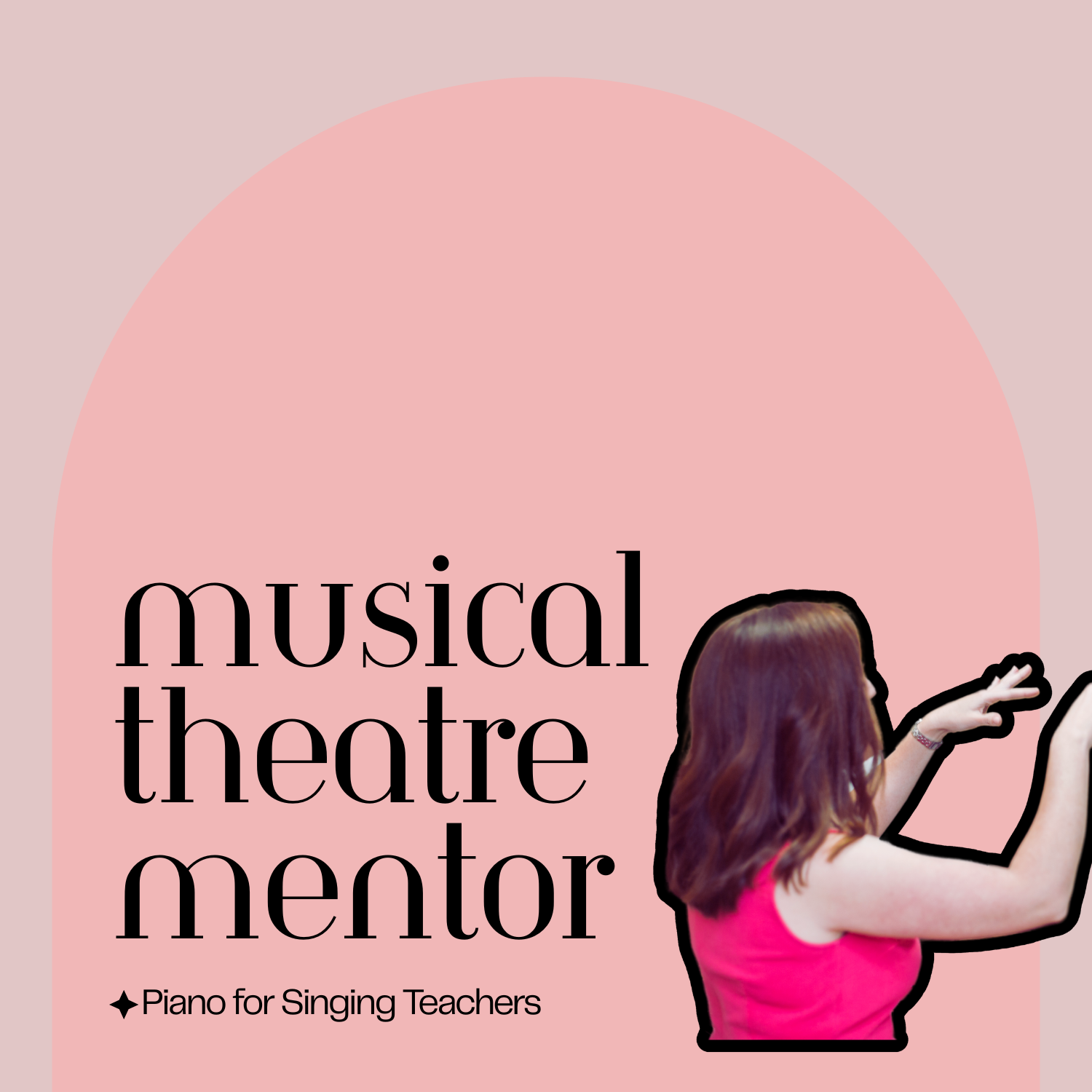
More musical flow. Better demonstrations. Less stopping to find tracks. Sessions start feeling polished, musical and genuinely memorable.
What does it mean to be a 21st-century singing teacher?
Modern piano patterns for singing teachers tired of sounding accurate but uninspiring.
Different to mine. Different to your colleagues’.
The lesson and career shifts. Piano is not the only teaching tool, but it’s a powerful one.
Piano is not the only teaching tool, but it’s a powerful one.
Genuinely support modern singing styles, not just traditional vocal exercises. Confidently teach, demo and accompany across contemporary pop, jazz, musical theatre and singer-songwriter repertoire.
Handle rehearsals, workshops and teaching situations more independently — without always needing tracks, accompanists or constant backup.
The piano mirrors singing back to you in a way that deepens musical understanding, phrasing, arrangement ideas and stylistic imagination.
Not just delivering information more efficiently. Piano can help you develop your own musical flavour, niche and teaching personality.
Expand into workshops, choirs, group teaching, accompaniment, musical direction and more contemporary teaching environments with greater confidence and ease.
More musical flow. Better demonstrations. Less stopping to find tracks. Sessions feel polished, musical and genuinely memorable.
You don’t need to pursue every possibility. That would rather defeat the point of personalisation.
But when your piano skills are aligned with your teaching strengths, you have more options.
You can create a workshop instead of waiting to be invited into one. Lead a group without automatically hiring someone else. Work across a wider range of repertoire. Build something more individual than the standard singing lesson offered by everybody within a ten-mile radius.
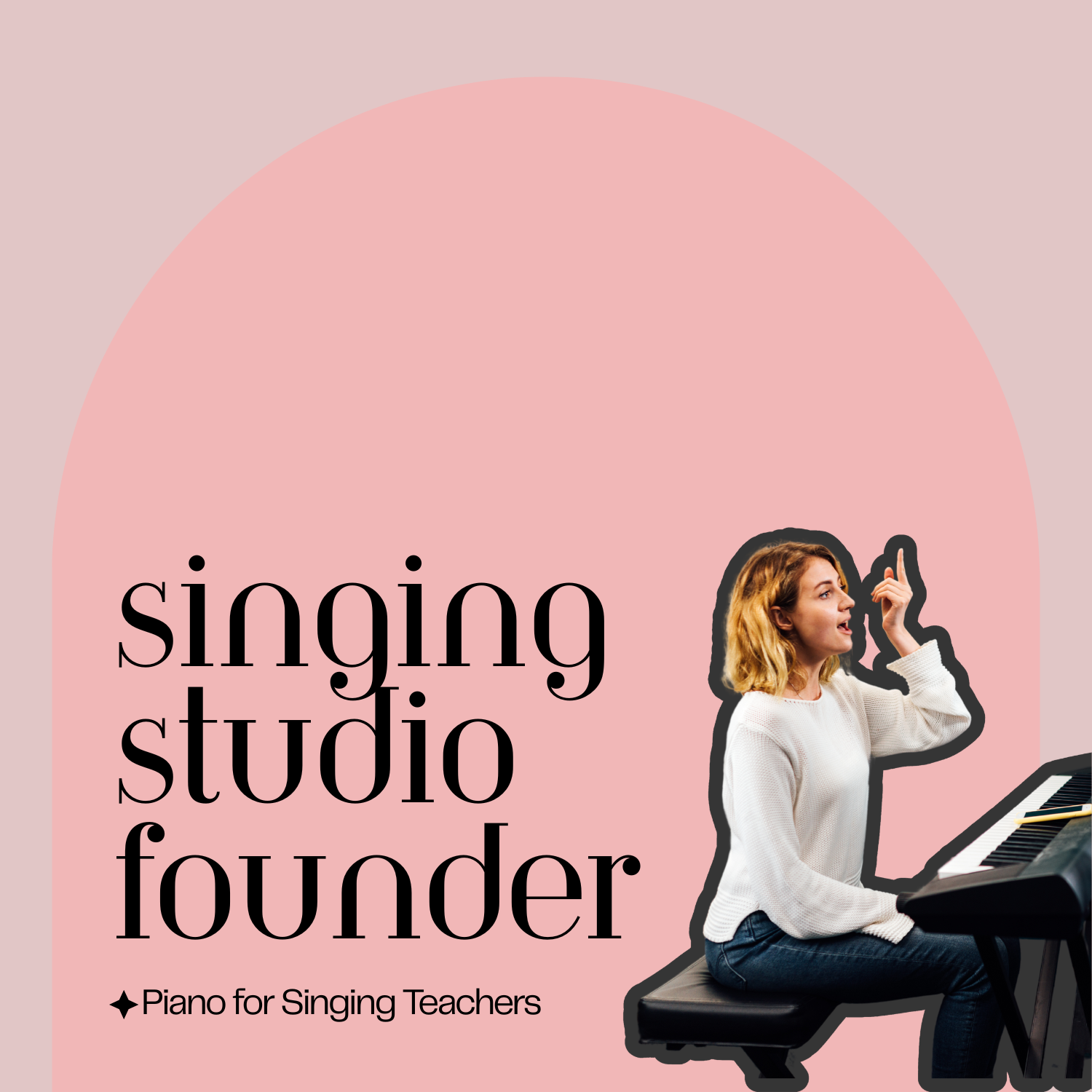
Not “basic keyboard skills.” Proper, usable piano that becomes part of your teaching identity and professional offer.
It signals musical competence before you’ve even opened your mouth. Particularly popular with heads of department, schools, parents and workshop organisers.
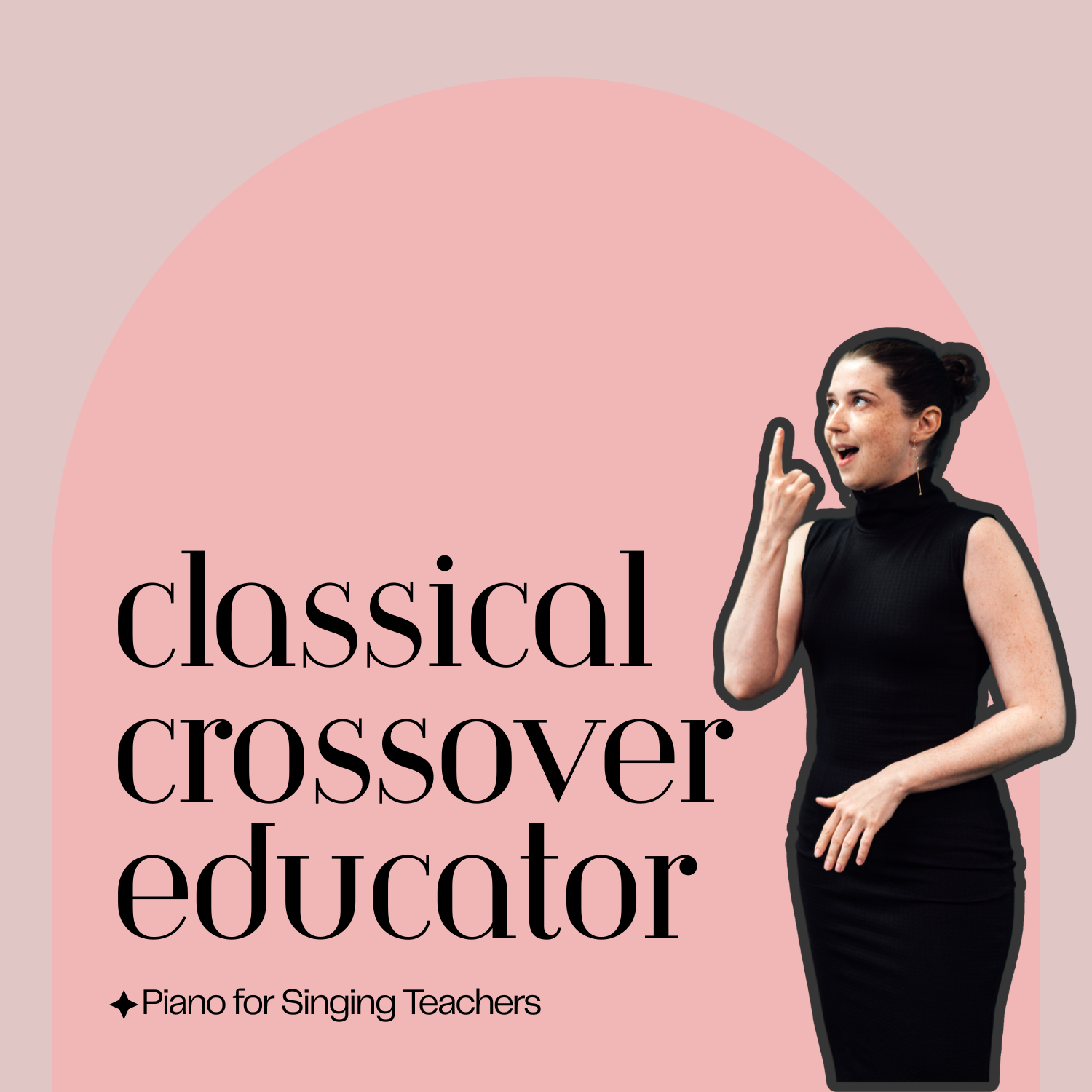
Genuinely support modern singing styles, not just traditional vocal exercises. Confidently teach, demo and accompany across contemporary pop, jazz, musical theatre and singer-songwriter repertoire.


Single-handedly run large group show rehearsals
I used to do this for BRIT Kids @ The BRIT School when we were at pre-tech stage).
Single-handedly run large group show rehearsals
to bring out phrasing styles and help them develop their artistry and aesthetic— all the standard ones plus a few more, and to be flexible enough to switch them up as needed in that moment — to energise, to access body work and tap into creative ideas
Accompany singing students in a broad range of styles from simple chord sheets
Bolero, Bossa nova, pop ballad, country, funk, RnB, Blues, Rock, Soul, Swing Help the student experiment with different keys, dynamics and tempos for their songs
helping the student match pitch and get in the middle of the note
accommodating different jazz styles, improv and song interpretation techniques (last one: Caer Llan Jazz, Wales)
(Dr. Matthew Knowles watched the last one)
I tend to take the piano for granted.
I’ve played it for most of my life (not always spectacularly well, I might add).
It has always been there in the background doing its job.
And over the years it has brought me many career advantages — and a lot of pleasure too.
I’ve led Higher Ed singing departments, worked inside professional studios. guested on residential jazz vocal course. directed community summer programmes, coached on TV shows run evening classes , accompany singing showcases, direct large vocal ensembles, and run a private Central London studio in Central London.
It has helped me…teach 3-part vocal harmony, figure out BV parts in the moment, create problem solving technical exercises on the spot, break down challenging melody, build instant rapport with new-to-singing adults, assess auditions and exams, teach harmony and counterpoint, change key without drama, prepare singers for auditions, performances and masterclasses, direct the rhythm section, write vocal arrangements, shape artistic phrasing live, and prep singers across everything from Bolero to Bruno Mars,
Most of which I never really thought about.
Not because these things are extraordinary.
Because piano simply made them possible.
Hello, I’m Elizabeth.
I do not teach this as a pianist who occasionally remembers that singers exist.
I’m a singer-pianist, vocal educator, arranger and multi-instrumentalist who has used piano throughout a long teaching and performing career.
I spent 15 years as Head of Vocals at the London Centre of Contemporary Music, was a visiting lecturer at the University of Westminster for 10 years and taught at BRIT Kids at The BRIT School for 15 years, including a year as Acting Director.
I’ve used piano to:
teach singers from beginners to degree level
build vocal technique
break down complex melodies
teach harmony and ensemble singing
prepare auditions and performances
accompany lessons and showcases
lead workshops, choirs and rehearsals
explore jazz, pop, musical theatre, Latin, soul and commercial styles
shape phrasing, interpretation and artistry in real time
I also understand the divide between the two pathways rather well.
I grew up with classical music, cello, choral singing and notation. Chords, improvisation, groove and rhythm-section playing required an entirely different kind of understanding.
Learning how to cross that divide changed the way I taught.
It also showed me how much traditional piano training singing teachers can safely leave out.
And I’ve got the balance wrong plenty of times myself. I’ve overplayed, become distracted by the keyboard and failed to give a singer the attention they needed.
Playing piano for teaching is not about showing everybody how clever your piano playing is.
The piano is there to support the connection.
When it does, it is one of the most useful teaching tools you can have.
I prefer this version to the much longer career inventory later in your rough page. You have bags of credibility; we don’t need to prove every single thing you have ever done.
Hello, I’m Elizabeth.
I do not teach this as a pianist who occasionally remembers that singers exist.
I am a singer-pianist, vocal educator, arranger and multi-instrumentalist who has used piano throughout a long teaching and performing career.
I spent 15 years as Head of Vocals at the London Centre of Contemporary Music, was a visiting lecturer at the University of Westminster for 10 years and taught at BRIT Kids at The BRIT School for 15 years, including a year as Acting Director.
I have used piano to:
teach singers from beginners to degree level
build vocal technique
break down complex melodies
teach harmony and ensemble singing
prepare auditions and performances
accompany lessons and showcases
lead workshops, choirs and rehearsals
explore jazz, pop, musical theatre, Latin, soul and commercial styles
shape phrasing, interpretation and artistry in real time
I also understand the divide between the two pathways rather well.
I grew up with classical music, cello, choral singing and notation. Chords, improvisation, groove and rhythm-section playing required an entirely different kind of understanding.
Learning how to cross that divide changed the way I taught.
It also showed me how much traditional training singing teachers can safely leave out.
Playing piano for teaching is not about showing everybody how clever your piano playing is.
I have overplayed, become distracted by the keyboard and failed to give a singer the attention they needed.
The piano is there to support the connection.
When it does, it is one of the most useful teaching tools you can have.
transform your lessons, workshops, and choirs from “nice” to life-changing
uncover your unique ‘flavour’ on teaching
establish your specialised teaching reputation
Avoid wasting time on the things you don’t need by identifying where your piano gaps are to cross the communication gap and:
teach melody
help match pitch
build vocal technique
coach harmonies
interpret song charts
accompany song authentically
guide song interpretation
lead rehearsals, workshops and 121 sessions
Where this takes you
Why you’ll love
—-Get that professional sounding precision to your piano playing so you can confidently and competently lead warm-ups, accompany songs, teach melodies, and run rehearsals
—without having to rely on YouTube, backing tracks, hire a pianist, or spend hours practising up just one song
— so you can use the piano to deliver your unique teaching methods to stand out in the crowded market, grow your singing teaching and coaching career, access those hidden “invite-only” professional opportunities, and let your teaching feel like it’s genuinely helping your students progress
Piano has brought me many career advantages and a lot of pleasure too.
In the last 12 months I’ve used piano to…
Teach 3-part harmony in the moment — no backing tracks.
Build instant rapport with shy and anxious adults.
Shape artistic phrasing live in the moment as they sing.
Lead groups with authority
Assess students in auditions and exams.
Run a private Central London studio.
Direct and accompany student showcases.
Be invited to teach on jazz summer schools & vocal residentials.
Prep singers across real-world styles using chord sheets:
Bolero • Bossa Nova • Pop Ballad • Country • Funk • RnB
Blues • Rock • Soul • Swing
→ exploring keys, tempo shifts, dynamics & groove to uncover their real voice.
And this isn’t unusual…In the past I’ve also…
Led departments and assessed degree-level exams.
Run large-group show rehearsals — solo.
Worked inside professional studios
Taught jazz vocal performance workshops — latest: Caer Llan Jazz, Wales.
Prepped students for auditions, live performances & masterclasses
(Dr. Matthew Knowles attended the last one).
Created vocal warm-ups that unlock style, body work & creative phrasing.
Broken down tricky melodies — helping students find the centre of the note.
Taught 3–4 part harmony: A Cappella • SATB • Counterpoint.
Most of which I kind of took for granted because I’ve always played the piano (Not always spectacularly well, I might add). But it’s always been there chugging away in the background. The benefits of having piano as a singing teacher have been huge.
Hello, I’m Elizabeth and I use the piano for singing every day. I know exactly what you need from the piano for teaching—and, most importantly, what you can leave out. I was fortunate to grow up with classical musician parents. Cello and choral music were part of my childhood, and I don’t remember learning to read music. But it wasn’t all smooth sailing. It took a very long time to cross over to chord interpretation, improv, and rhythm-section playing in commercial groove styles. Now I couldn’t imagine teaching without drawing on both classical and commercial styles.
I’ve been using the piano to teach singing for a long time, but it took a while to get the balance right and use it as a professional tool. I’ve misjudged it many times: I’ve overplayed, got distracted by cleverness, stopped focusing on the student. And then—because my energy was wrong or the rapport was missing—the student wasn’t served or supported as they should have been, undermining the whole point of the lesson.
Playing piano for teaching is NOT about piano excellence. Piano for Singing Teachers has grown out of 1-to-1 lessons, professional workshops, Saturday morning classes, residential courses, summer schools. First Lecturer in Music post came at age 22. I taught for 25+ years in London, including: Visiting Lecturer BMus at Westminster University (10+ years), Head of Vocals at London College of Contemporary Music, Southwark (16+ years), and Director of BRIT Kids at The BRIT School (maternity cover).
The piano can be a game-changer for some teachers, and irrelevant for others. The point is knowing which it is for you.

Hello, I’m Elizabeth and I use the piano for singing every day. I know exactly what you need from the piano for teaching. And, most importantly, what you can leave out. I was fortunate to have classical musican parents. Cello and choral music was part of my childhood and I don’t remember learning to read music. But if that sounds irritatingly smug let me tell you it took a very long time to cross over to the chord interpretation, improv, rhythm section playing of commercial groove styles. These days I love it all and regularly call on the influence of both classical and commercial for my singing with piano. First Lecturer in Music Post aged 22. I taught for 25+ years in London including Visiting Lecturer BMUS - Westminster University (10 + years), Head of Vocals -London College of Contemporary Music, Southwark (16+ years), Director of BRIT KIDS -The BRIT School (Maternity cover).
Hello, I’m Elizabeth and I use the piano for singing every day. I know exactly what you need from the piano for teaching—and, most importantly, what you can leave out. I was fortunate to grow up with classical musician parents. Cello and choral music were part of my childhood, and I don’t remember learning to read music. But let me tell you, it took a very long time to cross over to chord interpretation, improv, and rhythm-section playing in commercial groove styles. Now I couldn’t imagine teaching without drawing on both classical and commercial styles.
I’ve been using the piano to teach singing for a long time, but it took a while to get the balance right and use it as a professional tool. I’ve misjudged it many times! I’ve overplayed, got distracted by cleverness, stopped focusing on the student. And then—because my energy was wrong or the rapport was missing—the student wasn’t served or supported as they should have been, undermining the whole point of the lesson.
Playing piano for teaching is NOT about piano excellence. Piano for Singing Teachers has grown out of 1-to-1 lessons, professional workshops, Saturday morning classes, residential courses, summer schools. First Lecturer in Music post came at age 22. I taught for 25+ years in London, including: Visiting Lecturer BMus at Westminster University (10+ years), Head of Vocals at London College of Contemporary Music, Southwark (16+ years), and Director of BRIT Kids at The BRIT School (maternity cover).
The piano can be a game-changer for some teachers, and irrelevant for others. The point is knowing which it is for you.
I’ve always used the piano to teach but I dodn’t realise what it gave me because it’s always been there. It’s not the only way, but it’s a good on. And that professional tool has a power in itself — in that it sends a message without you saying a word.
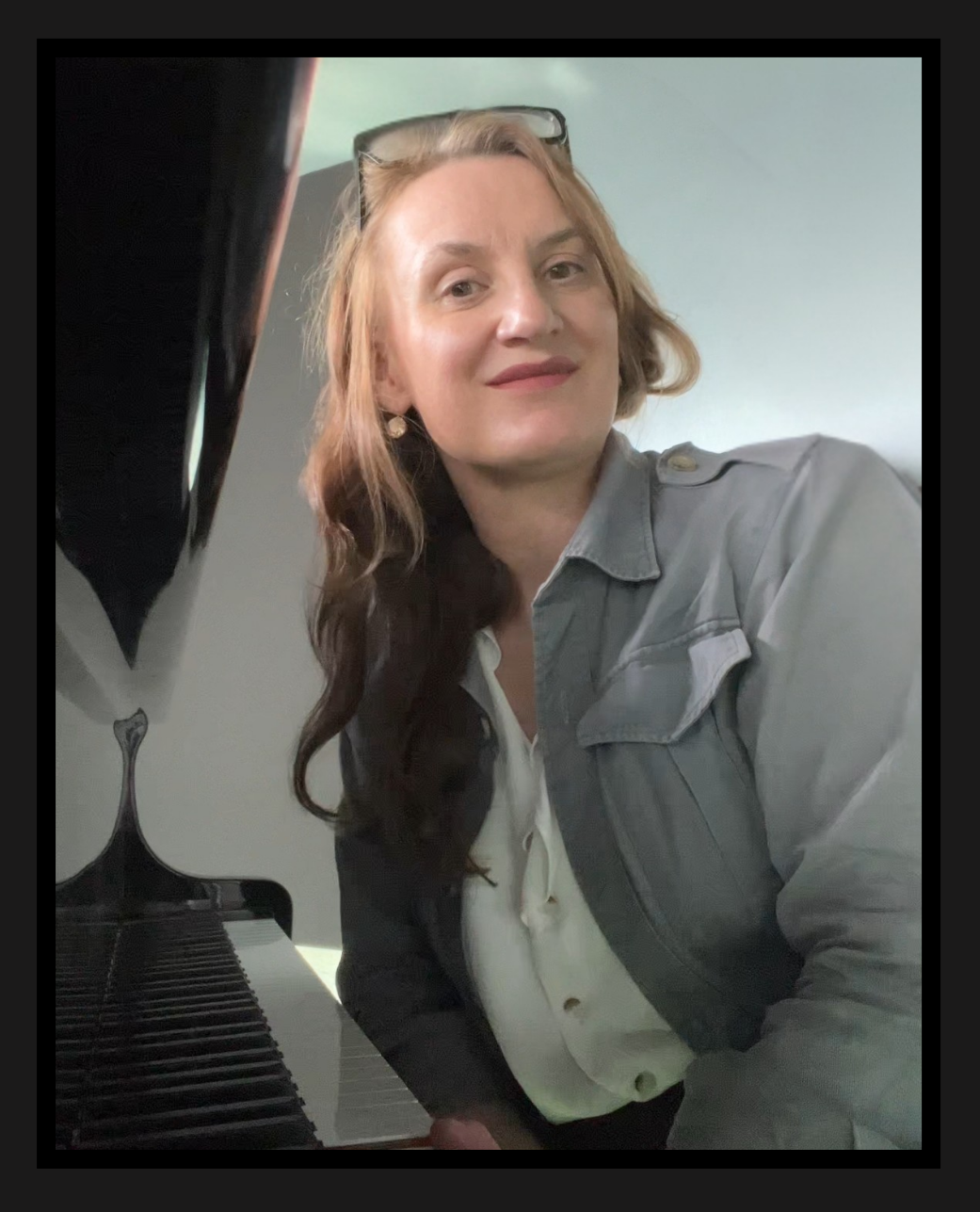


—EIMEAR
✦ PIANO for SINGING TEACHERS ✦
Example piano paths
Starting point: private studio, mainly teenagers. exams and auditions, teacher with a theatre /performance background. Not in love with piano practice! Tried a few piano course — got bored. Not too bothered about song accompaniment - but melody reading and vocal warm ups was a very big deal. We whittled it down to a do this for once and for all!
End:
Piano navigation
Piano sound
1 x go-to pattern
Chord reading
Melody breakdown
Vocal warm ups
vocal warm ups
???
Video challenge submissions.
Practice video
— workshops. But tended to work in hire in.
Piano navigation
Piano sound
1 x go-to pattern
Chord reading
Melody breakdown
Vocal warm ups
vocal warm ups
???
Video challenge submissions.
Practice video
—currently working faculty. Had an eye on musical directionion and leading. Many skills already and a decent technqiue. Coud play basic vocal repertoire. A lot - thriving teaching career - almost too successful. Takem over her life, and affecting
Piano posture
Persoalised vocal exercises.
1 x go-to pattern
Chord reading
Melody breakdown
Vocal warm ups
vocal warm ups
???
Video challenge submissions.
Practice video
Week 1 — Posture & Presence
Week 2 — Pop Pattern Lock-in
Week 3 — Vocal Warm-up Flow
Week 4 — Songs & Styles
Week 5 — No-prep Song Charts
Week 6 — Melody Shapes & Match Pitch
Week 7 — Song Accompaniment
Week 8 — Career Confidence
Week 1 — Posture & Presence
Week 2 — Pop Pattern Lock-in
Week 3 — Vocal Warm-up Flow
Week 4 — Songs & Styles
Week 5 — No-prep Song Charts
Week 6 — Melody Shapes & Match Pitch
Week 7 — Song Accompaniment
Week 8 — Career Confidence
Week 1 — Classical to Commercial
Week 2 — Groove Basics
Week 3 — Chords that Colour
Week 4 — Hooks & Riffs
Week 5 — Song Structure
Week 6 — Legato & Groove
Week 7 — Style Swap
Week 8 — Piano Identity
Week 1 — The Piano-Led Identity Shift
Week 2 — Vocal Leadership From the Piano
Week 3 — Harmony Building & Vocal Groups
Week 4 — The Signature Session Framework
Week 5 — Piano as Director Strategy
Week 6 — The Vocal Director’s Toolkit
Week 7 — Your Workshop Blueprint
Week 8 — Market Positioning
Finally feel confident using piano in real teaching situations.
You may be here if:
you avoid the piano
you rely heavily on tracks
you panic when students ask to change key
your warmups feel stressful
you never properly learned chords
Focus:
practical confidence • accompaniment • lesson flow • musical survival
Week 1 — Posture & Presence
Week 2 — Pop Pattern Lock-in
Week 3 — Vocal Warm-up Flow
Week 4 — Songs & Styles
Week 5 — No-prep Song Charts
Week 6 — Melody Shapes & Match Pitch
Week 7 — Song Accompaniment
Week 8 — Career Confidence
Week 1 — Classical to Commercial
Week 2 — Groove Basics
Week 3 — Chords that Colour
Week 4 — Hooks & Riffs
Week 5 — Song Structure
Week 6 — Legato & Groove
Week 7 — Style Swap
Week 8 — Piano Identity
Week 1 — The Piano-Led Identity Shift
Week 2 — Vocal Leadership From the Piano
Week 3 — Harmony Building & Vocal Groups
Week 4 — The Signature Session Framework
Week 5 — Piano as Director Strategy
Week 6 — The Vocal Director’s Toolkit
Week 7 — Your Workshop Blueprint
Week 8 — Market Positioning
Best for:
Singing teachers and vocal coaches ready for who want modern style piano to broaden the scope of their singing teaching career (Piano intermediate)
✓ Swing, Funk, RnB and Latin styles
✓ Patterns for Riffs and Runs
✓ Advanced level song accompaniment for concerts and shows
BEGINNERS
⌧ Manage Piano + Posture.
⌧Magnetic Hands 1-minute piano warm up.
Do’s and Don’t’s of navigating the keyboard.
Vocal warm up standards - for any voice type through all keys (including 1.5).
Go-to pop and musical theatre song accompaniment.
No-prep song chart navigation.
Bouncing Bass student energiser technique.
Coach Mode building connecting from teh piano.
Song transposition.
Match Pitch + Melody break down.
☛ You avoid the piano (or use it in a half-hearted way) and feel embarrassed in lessons.
☛ You rely too much on backing tracks and wish you could break down melodies, personalise vocal warm ups
☛ You’re lost with chords, and song accompaniment takes up too much time to practice up
☛ You’ve tried learning piano before, but didn’t enjoy it and got
👉Take the Pop Patterns Portfolio Path.
You can play the piano, possibly quite well, but your style is stuck in “classical chord-bash mode.”
You’re stuck when asked to play in gospel, pop, Latin or swing styles.
You’d love to have more styles under your finger to unlock better-fit students + job options.
👉 Take the Modern Styles Fluent Path.
You’re already confident at the piano.
You’re experienced singing teacher and have been slowly figuring out your unique teaching delivery
You want to use the piano to support your unique artistry & teaching brand.
You want a partner to help you shape lessons, repertoire + your career direction.
👉 Take the Signature Studio Path.
Inside PIANO for SINGING TEACHERS
For singing teachers, vocal coaches with piano technique but zero style. who recognise their lack of a more advanced piano ability is holding them back from being regarded as a specialist in their teaching niche. Draw out advanced vocal approaches and song interpretation in a cross section of commercial styles .
Classical to Contemporary - applied styles. Stylistic vocal improv, embellishments and riffs. Pop, Gospel, Jazzy 2 feel, pop-latin styles, voicings and reharmonisation. Song Style Switching. Piano performance for shows, concerts, open mic.
The programme assumes three things:
piano isn’t your main priority
you don’t have stacks of free time
you want piano to strengthen your teaching—not take over your life
This isn’t for people looking for a traditional piano course.
It is for teachers who want piano to become a useful, enjoyable and practical part of their teaching toolkit.
No two singing teachers are the same.

✦Step 1. Apply
Double check this is genuinely helpful for you.
✦Step 2. Piano Decoder
We identify where you are now. Not just your piano level, but your teaching situation, students, repertoire, ambitions and frustrations.
✦Step 3. Professional Piano Portfolio Map
Together we identify the piano skills that will have the biggest impact on your teaching as it is right now, and design a portfolio to move you forward. The goal isn't "learn more piano."The goal is to build the right piano.
✦ Step 5. Practice Stacks
Easy to pick up checklists. Song charts. Chord sheets. Patterns. All lessons are notated. You should know what you are doing, why and how. Even if your mind is elsewhere.

✦ Step 6. Weekly Lesson Challenges
Try out new techniques as you teach. Small, practical challenges designed to fit around a busy teaching life.

✦ Step 4. Short Weekly Micro Lessons
Focused instruction designed specifically for singing teachers. Not lengthy lectures or irrelevant repertoire. No wasting weeks on skills you'll never use.
✦ Step 7. Feedback
Submit weekly challenges for feedback. Get personalised feedback. Refine your technique, sound, coordination and confidence
✦Step 8. Build Your Portfolio
By the end of the programme you'll have a collection of warm-ups, accompaniment approaches, teaching tools and piano patterns that support your teaching now and continue to support it in future.
Piano for Singing Teachers is designed around three inconvenient truths:
Piano is not your only priority.
You do not have stacks of empty time.
You need to use what you learn now, not after two years of preparation.
We identify where you are now — not just your piano level, but your teaching situation, students, repertoire, ambitions and frustrations.
Together we identify the piano skills that will have the biggest impact on your teaching as it is right now.
The goal isn’t “learn more piano.”
The goal is to build the right piano.
Focused instruction designed specifically for singing teachers.
Not lengthy lectures or irrelevant repertoire.
Small, repeatable actions designed to get one useful skill properly under your fingers.
From week one, try new techniques as you teach.
Small, practical challenges designed to fit around a busy teaching life.
Your work becomes part of your practice.
Paid practice. Splendid.
Send a short video showing the week’s technique in action.
Receive clear guidance on technique, coordination, musical sound and how effectively the piano is supporting your teaching.
By the end of the programme, you’ll have a collection of warm-ups, accompaniment approaches, teaching tools and piano patterns that support your teaching now — and that you can continue building afterwards.
I think this is one of the strongest practical sections on the page because it makes the £510 feel much less like “an online piano course” and much more like guided professional development built into their actual teaching week.
This isn’t once size fits all. You will need some of these.
The stuff they need to make this happen…
Flexible Warm ups
No-prep sheet music
Breaking down melody
Lesson read
Flexible Warm ups
Flexible Warm ups
Flexible Warm ups
Flexible Warm ups
Flexible Warm ups
Flexible Warm ups
Flexible Warm ups
Flexible Warm ups
How to pick up a song sheet dropped in front of you 30 seconds ago—and actually make it sound good.
How to pick up a song sheet dropped in front of you 30 seconds ago—and actually make it sound good.
How to pick up a song sheet dropped in front of you 30 seconds ago—and actually make it sound good.
How to pick up a song sheet dropped in front of you 30 seconds ago—and actually make it sound good.
Not every singing teacher needs the same piano skills.
But depending on your goals, you might learn things such as:
How to play from a song sheet dropped in front of you 30 seconds ago — and actually make it sound good
How to loop tricky melody sections without wasting half the lesson
How to run warm-ups in any key for any voice type without panic
How to break down tricky melodies shapes s-l-o-w-l-y— instead of trying to find a track
How to change key mid-song because your student suddenly can't reach the chorus anymore
How to create inspiring vocal exercises that align with your teaching direction and aesthetic
How to make pop accompaniments sound inspiring to sing over rather than static or overly classical
How to teach harmony parts and keep the whole room engaged
How to lead a noisy room full of teenagers from the piano — and keep the energy musical instead of chaotic
How to convincingly lead rehearsals, workshops and group sessions from the piano
How to personalise warm-ups for different voices, styles and students
How to create simple riff ideas, endings and backing ideas that better fit the student
How to pull up a questionable online chord chart and fix it on the spot
How to use piano to strengthen your teaching offer — not just your musicianship
How to build useful piano skills without disappearing into years of traditional piano practice
Two different starting points.
For piano beginners, avoiders and lapsed players.
Perhaps:
you avoid the piano or use it in a half-hearted way
you feel embarrassed using it in lessons
you rely heavily on tracks
you wish you could break down melodies and personalise vocal warm-ups
you feel lost around chords
song accompaniment takes too long to prepare
you have tried learning piano before but didn’t enjoy it
your previous piano experience is in the dim and distant past
You do not need to arrive able to read music or accompany songs.
You will need to know — or be willing to learn — the basic names of the notes.
The aim is useful, musical, lesson-ready piano without committing your life to becoming “a proper pianist”.
For classically or traditionally trained teachers wanting more authentic commercial styles.
Perhaps:
you can play the piano, possibly quite well
your playing becomes stiff or overly classical around contemporary repertoire
you are confident with notation and melody reading
chords and chord charts feel less familiar
you become stuck when asked to play in pop, gospel, Latin, jazz, soul or swing styles
you want more grooves, style patterns, riffs, embellishments and improvisation
you would like more styles under your fingers to support your students and open up different job options
You may already have a strong piano technique.
The shift is learning how to apply it differently.
Warm-ups · Melody · Pitch · Chords · Accompaniment · Transposition · Listening · Leading from the piano
Your route through the material depends on where you are now.
I think that last line is important because it stops the two pathways feeling like two separate courses. They’re two entry points into the same programme.
For piano beginners, piano avoiders or the piano rusty who just wants to use piano in EVERY singing lesson without stress.
“Coach Mode” —the singing teacher’s #1 piano headache solver
2-handed pop style song accompaniment patterns — based around your students, studio or job
Vocal warm-up standard 5-note pattern in all 12 keys
The anti-plonk piano technique
The professional piano set up
At a glance chord chart navigation
Melody breakdown and match pitch techniques
Real time in-lesson challenges
Weekly video feedback
Plus: 10 x Pop Song Chord Charts
Plus: The Piano/Track Ratio Framework —instant clarity on the piano you need, and the piano you don’t
For classical-trained singing teachers & vocal coaches who can read Bach and Beethoven but are stuck with Billie Holiday
Stylistic accompaniment patterns for Swing, Soul, Funk, Latin & RnB
Riff & run breakdown techniques (how to teach them quickly and musically)
Pocket & feel training – stop sounding classical when teaching pop
Chord voicing maps for modern styles (supports the student and the song story)
Chart navigation by instinct — read commercial chord sheets without fear
Audition song breakdown method — 3 steps / live / under pressure
In-lesson piano challenges + weekly personalised feedback
Micro video modules designed to fit around your actual teaching week
Plus:
✓ 12 x Chord Charts (Swing / Funk / Soul / Modern Pop)
✓ The Style Shift Cheat Sheet — classical sound → commercial sound in 5 tweaks
✓ The Embodied Groove Method — use your body to play with authentic feel
For singing teachers who want to use piano as their CORE coaching asset
Lead-from-the-piano skills (authority without bossiness)
Pattern-based rehearsal planning — direct energy & flow in real time
3-part harmony teaching system — teach instinctively, not technically
Piano-based vocal cueing & phrasing (how to shape the performance live)
Song structure shifts — groove / tempo / dynamic changes under 5 minutes
Concert-ready accompaniment — refine sound for shows & exams
Rehearsal psychology training — how to hold a group & keep them focused
Rapid rapport techniques — draw out reluctant / shy singers from the first session
Plus:
✓ The Choir Command Framework — one glance to know how to lead the room
✓ Professional Presence Toolkit — posture, communication, calm authority
✓ Positioning Your Skill — use piano to shape your artistic & career identity
Best for: singing teachers & vocal coaches with intermediate piano standard, ready to specialise.
✓ You’re already confident at the piano.
✓ You’re an experienced singing teacher and have been slowly figuring out your unique teaching delivery
✓ You want to use the piano to support your unique artistry, teaching brand and career ambitions
✓ You’d like to direct more large event projects: shows, choirs, concerts — and be the central visible leader.
This isn’t once size fits all. You will need some of these.
The stuff they need to make this happen…
How to play a variety of vocal warm ups patterns under the fingers
How to understand voice types on the piano and where to play to support range
Have a contrasting set of LH patterns
Use the piano to be spontaneous and flexibkle with vocal warm ups — have he flexibiklity to slow it down, shift keys, accomodate teh quiet songer energise the sleepy class, lead with authroity with the suspicious large, settle down teh char-tty evening class. All these toles become easier with a piano on your side
How to play the standard vocal warm-ups in every key — without losing your place or momentum mid-exercise.
How to create warm-ups that match your student’s voice and goals — so you’re not stuck using the same scale over and over.
—How to play every warm-up for any voice type, in any key, without stopping — so lessons flow and students stay focused.
—How to personalise technical exercises to suit your student — and develop your own teaching approach as a result.
—
Access vocal warm ups — all the standard ones plus a few more, and to be flexible enough to switch them up as needed in that moment — to energise, to access body work and tap into creative ideas
Personalise vocal warm ups to bring out phrasing styles and help them develop their artistry and aesthetic
n
✓How to break down melodies for pitch and phrasing work using the “Melody Skeleton” method.
✓How to switch keys on the spot when your student needs it (with calm, competence, and flair).
✓How to read and play simple melody lines confidently — even if notation feels intimidating.
✓How to read and play simple melody lines confidently — even if notation feels intimidating.
How to play from popular style song charts at a glance
✓How to read and play simple melody lines confidently — even if notation feels intimidating.
✓How to break down melodies for pitch and phrasing work using the “Melody Skeleton” method.
✓How to switch keys on the spot when your student needs it (with calm, competence, and flair).
How to use the piano to energise, focus or
,
m
Play musically yet simply — your singing teaching ears will be frustrated at producing plonky, amateur sounding piano. You don’t need to play anything fastm impressive or compicated — you just need
How to play for long teaching days (or performances) without wrecking YOUR singing voice.
How to use a simple “bouncing bass” technique to energise disengaged singers and drive a warm up.
How to use the piano to lead, command an effective — even if they are in the mood for chatting, unsure
— and
—How to use the piano to bring out
How to lead a children’s singing class from the piano — even if you’re not confident and usually avoid it.
How to embed piano practice in your day-to-day teaching so you make regular progress at piano skills relevant to your career direction so you don’t get overwhelmed by practice and trying to ‘remember’.
How to use the piano to extend your teaching studio or career opportunity – with practical help in showcasing this to the wider world
How to use the piano to build authority
You’ll be able to adjust any vocal exercise instantly — any voice, any key, any moment
— keeping lessons fluid, responsive, and professional.
No fumbling for the right note or key again
In this adaptable course, you’ll learn the piano you need to open up career opportunities and confidently teach pop and musical theatre singing from your approach at your best.
This isn’t a one-size-fits-all-fixed course. But singing teachers and vocal coaches have common problems.
Here are some of the things you could learn:
How to accompany pop and musical theatre songs in a way that sounds musical, expressive, and polished.
Why you don’t need to practise full songs before every lesson — and what to do instead to feel ready in five minutes.
How to play confidently from chord sheets — even if Cmi | F | G7 still leaves you wondering what your hands should do.
How to use piano phrasing to help your student sing more expressively — adding shape, drama, and musicality.
How to read from lead sheets or simple vocal scores without panicking or losing your place — so you can teach the melody clearly.
How to tell if a piece of sheet music is usable or not — and what to ask for when looking online.
How to play two-handed accompaniment patterns with flow and confidence — using easy rhythm and bass tools to stay on track.
How to keep playing through a song — even when things go wrong — so you stay calm and sound in control.
How to play from a chord chart — even if you’ve never played the song before — using basic triads and simple rhythm patterns.
How to stop sounding plonky — and start playing with the kind of musical finish that reflects your level of vocal expertise.
How to feel calm, capable, and musical at the piano — even if you’ve avoided playing for years. Using the “Short Loop” system, 15 minutes a day is enough to make real progress.
How to read simple melodies, even if sheet music and notation feels unfamiliar.
How to read melody lines and lead sheets well enough to teach from them with confidence.
How to teach the melody accurately — whether it’s from sheet music or by ear — using our “Melody Skeleton” method to break it down.
How to change keys quickly — or transpose on the spot — so you're not stuck when your student needs a different pitch.
Lesson ready
✓How to read and play simple melody lines confidently — even if notation feels intimidating.
✓How to break down melodies for pitch and phrasing work using the “Melody Skeleton” method.
✓How to switch keys on the spot when your student needs it (with calm, competence, and flair).
Single-handedly run large group rehearsals
Gain a Pianist Touch
Play musically yet simply — your singing teaching ears will be frustrated at producing plonky, amateur sounding piano. You don’t need to play anything fastm impressive or compicated — you just need
Pl
Being able to guide Get into ‘Coach Mode’ through the "Talk Test’ strategy to troubleshoot vocal quirks without pausing the musis and getting distracted by
Using the ‘Talk Test’ strategy get into ‘Coach Mode’ to practice technique exercises, suggest phrasing, explore keys, and troubleshoot vocal issues without stopping the flow of music. be able to play the piano well, support the student and listn to them and if necessray be guiding then (eith with HOW you plat the piano or spohen guidanc
Use the Talk Test: lead warm-ups, suggest phrasing, switch keys, and troubleshoot vocal quirks without pausing the music.—to keep the lesson flowing and the student engaged.
—How to play piano pianistically and musicially so you don’t
—Play musically yet simply — your singing teaching ears will be frustrated at producing plonky, amateur sounding piano. You don’t need to play anything fastm impressive or compicated — you just need
—How to use the pedal — and when not to use the pedal
Legimately include piano on your CV
Problem solve
Have a variety of
Be open to
have a powerf
not wear your singing and speaking voive
increase musiciahip skills that don’t also crodss the path os a singer as itys nit a priority — ballabce your skill anf musicship —
and then
The ability to embellish — give yiur students an invaluable making music live listening experience — this is critical for singers withut a musicianship background who have learnt by copying, Oneof those hidden diffientiaters
A small set of patterns — to draw out dynamics, energy and flow — help your student sdeliver their song story
How to play authentic sounding as-good-as-the-realthing if not better pop style song accompaniments
How to play chords in all keys with voicings to supprt teh singing voice
How to
How to be able to pick out the melody and teach slowly — and be prepared to shift keys
ff
ff
How to develop the ability to play and listen to yoru student at the same same
Protect their own singing and speaking voice — an dthat incldues the body postureSave your singing voice and speaking voice for important events
A process for progress — during busy weeks when you just dont have time to think. Practice as you teach
No fuss switch between keys — chords for songs, exercises,
Having options for problem solving during lessons.
And be quietly assured about the balance of tracks, voice demo and piano— probably instinctive — but not a bad question to reflect on. This allows you to differentiate between yourself and other singing teachers — whicg is one imprtant peg in teh being reffered slot.
Understand clearly what they offer on teh piano and the implications for students, heads of departmets and parents
Not get brain clutter — feel overwhelemd by all the possibilities of the legacy of the piano. Get very clear on what they need to support their singing students - bith current and future — and have made decisons aboyt what they are cheerfully saying no to learning. Helps the hiring in decison much easier . And the job application process.
Piano Confidence. Happy to play in front f parents, students, fellow teaching pedagogues , even the internet if that’s your bag,
Your singing may be overwhelming , intimitating
The foundation of commercial style playing.
The foundation of commercial style playing.
Confidence comes with knowing our doing and the experience of having done it
Use the piano to be spontaneous and flexibkle with vocal warm ups — have he flexibiklity to slow it down, shift keys, accomodate teh quiet songer energise the sleepy class, lead with authroity with the suspicious large, settle down teh char-tty evening class. All these toles become easier with a piano on your side. Whereas there can — everyone recognises the skills gap
The world of music and the legacy of piano is huge. Feel confident about what you bring
— break down melody
—effortless switching of keys
—
—understanding chords and feel
—getting a commercial styles rhythm and groove
—
—
—
—
—
Personalised and standard Vocal warm ups
song accompaniment — xpatterns, chords,
Teaching melody + matching pictch
Authentic Styles
Not imposter
Help your student ssing better
Stay relevant and up to daye
Career — draw out your methododloy
Best for: piano beginners or piano avoiders
✅ Step-by-step micro instructional videos
✅ Guided practice ‘Stacks’
✅ Real life teaching weekly challenges
✅ Checklists
✅ Downloadable Handouts & Checklists
✅ Suggested song playlists
✅ Song practice charts
✅ Weekly personalised feedback
✅ Weekly motivational email practice prompt
✅ Essential vocal warm up patterns
✅ Triad Training
✅ Real life teaching weekly challenges
✅ Checklists
✅ Done for you frameworks
✅ Suggested song playlists
✅ Song practice charts
✅ Personalised feedback
✅ Weekly motivational email practice prompt
✅ 2-handed Pop Accompaniment Pattern
✅ Essential Vocal Warm-up patterns
✅ Fluidity in all 12 keys
✅ Anti-plonk Piano Techniques
✅ Keyboard navigation
✅ Posture & Positioning
✅ The Professional Piano set up
✅ Chord chart navigation — at a glance
✅ Pop Song Chord Charts (playable ones!)
✅ The Piano/Track Ratio Framework —instant clarity on the piano you need, and the piano you don’t
✅ All in “Coach Mode’ —the
❌ Complete Pop Styles
❌ Monthly 1-1 w/ Matt
❌ Monthly posts audit
The Piano/Track Ratio Framework —instant clarity on the piano you need, and the piano you don’t
ncludes
☑ Piano + Patterns Weekly Real-Life Teaching Challenges
☑ Piano + Patterns Step-by-step Micro-Instruction Videos, Downloadable Handouts, Playlists & Checklists
☑ Songs + Styles Weekly Real -Life Teaching Challenges
☑ Songs + Styles Step-by-step Micro-Instruction Videos, Downloadable Handouts, Playlists & Checklists
☑ Opportunity for Regular Personalised Feedback
☑ Weekly Motivational Prompts to Keep You Going
☑ Pressure free and (did we mention) fun!
2-handed
BEST FOR: Piano beginners or piano-avoiders
BEST FOR: Intermediate players who want to teach popular song styles and commercial technqiues
Specialist
CV Ready
BEST FOR: Pop and Musical Theatre Choir Directors who want to single handedly run pop choirs
Choir Command
Includes
☑ Piano + Patterns Weekly Real-Life Teaching Challenges
☑ Piano + Patterns Step-by-step Micro-Instruction Videos, Downloadable Handouts, Playlists & Checklists
☑ Songs + Styles Weekly Real -Life Teaching Challenges
☑ Songs + Styles Step-by-step Micro-Instruction Videos, Downloadable Handouts, Playlists & Checklists
☑ Choir Command Weekly Real -Life Directing Challenges
☑ Choir Command Step-by-step Micro-Instruction Videos, Downloadable Handouts, Playlists & Checklists
☑ Opportunity for Regular Personalised Feedback
☑ Weekly Motivational Prompts to Keep You Going
☑ Pressure free and (did we mention) fun!
✓How to read and play simple melody lines confidently — even if notation feels intimidating.
✓How to break down melodies for pitch and phrasing work using the “Melody Skeleton” method.
✓How to switch keys on the spot when your student needs it (with calm, competence, and flair).
Slowly breakdown that tricky melody helping the student match pitch and get in the middle of the note
✓How to read and play simple melody lines confidently — even if notation feels intimidating.
✓How to break down melodies for pitch and phrasing work using the “Melody Skeleton” method.
✓How to switch keys on the spot when your student needs it (with calm, competence, and flair).
Help the student experiment with different keys, dynamics and tempos for their songs
Help students prep for live performance, auditions and masterclasses
✓How to read and play simple melody lines confidently — even if notation feels intimidating.
✓How to break down melodies for pitch and phrasing work using the “Melody Skeleton” method.
✓How to switch keys on the spot when your student needs it (with calm, competence, and flair).
Accompany singing students in a broad range of styles from simple chord sheets
Finally be free from relying entirely on backing tracks and not-quite-right YouTube videos
Play what you need, when you need it —exercises, song accompaniment
live, musical, and on your own terms.

sit down and make it sound musical without having to practice for hours beforehand
Pop ballad, chart hit, or musical theatre number
Guide your student artistically and technically.
sit down and make it sound musical without having to practice for hours beforehand
Pop ballad, chart hit, or musical theatre number
Guide your student artistically and technically.
You’ll be able to adjust any vocal exercise instantly — any voice, any key, any moment
— keeping lessons fluid, responsive, and professional.
No fumbling for the right note or key again
In this adaptable course, you’ll learn the piano you need to open up career opportunities and confidently teach pop and musical theatre singing from your approach at your best.
This isn’t a one-size-fits-all-fixed course. But singing teachers and vocal coaches have common problems.
Here are some of the things you could learn:
How to accompany pop and musical theatre songs in a way that sounds musical, expressive, and polished.
Why you don’t need to practise full songs before every lesson — and what to do instead to feel ready in five minutes.
How to play confidently from chord sheets — even if Cmi | F | G7 still leaves you wondering what your hands should do.
How to use piano phrasing to help your student sing more expressively — adding shape, drama, and musicality.
How to read from lead sheets or simple vocal scores without panicking or losing your place — so you can teach the melody clearly.
How to tell if a piece of sheet music is usable or not — and what to ask for when looking online.
How to play two-handed accompaniment patterns with flow and confidence — using easy rhythm and bass tools to stay on track.
How to keep playing through a song — even when things go wrong — so you stay calm and sound in control.
How to play from a chord chart — even if you’ve never played the song before — using basic triads and simple rhythm patterns.
How to stop sounding plonky — and start playing with the kind of musical finish that reflects your level of vocal expertise.
How to feel calm, capable, and musical at the piano — even if you’ve avoided playing for years. Using the “Short Loop” system, 15 minutes a day is enough to make real progress.
How to read simple melodies, even if sheet music and notation feels unfamiliar.
How to read melody lines and lead sheets well enough to teach from them with confidence.
How to teach the melody accurately — whether it’s from sheet music or by ear — using our “Melody Skeleton” method to break it down.
How to change keys quickly — or transpose on the spot — so you're not stuck when your student needs a different pitch.
—Piano for Singing Teachers is based on the Coach, Accompany & Connect framework.
Student Wins. What are you wanting to say? It doesn’t need to be deeply philosophical but without this critical step, you are just mouthing words, and your song delivery is meaningless and hollow.
Career Momentum. When you can coach with the piano, you stop looking like you’re guessing. You sound confident, you move with purpose, and your student can hear that you know what you’re doing. Other teachers, choir leaders, and parents notice it too. Your musical decisions suddenly have weight — not because you’re louder, but because they’re clearer. You’re no longer the teacher who “talks a good lesson”; you’re the one whose students actually improve. That’s real authority, and it shows..
Student Wins. How you lift the song with yoru vocal delivery. The more adept you are as a singer, the more choices you have with your phrasing and performance. Balancing intuitive singing with other tools in
Career Momentum. Accompaniment is one of the biggest credibility markers a singing teacher can have. When you can play well enough to support the student properly, you instantly stand out from the crowd of “I’ll just press play on the track” teachers. People trust you more because they can see the skill. Schools, studios, choirs, and parents recognise the difference — and your name becomes the one that gets passed around when someone asks for a teacher who really knows their craft.
Student Wins. What are you wanting to say? It doesn’t need to be deeply philosophical but without this critical step, you are just mouthing words, and your song delivery is meaningless and hollow.
Career Momentum. Musical connection at the piano makes you look — and feel — like a complete teacher. Not just someone who understands voice, but someone who understands music. That combination is rare, and people value it immediately. Students talk about you differently. Colleagues respect you differently. You become the teacher whose lessons feel cohesive, intentional, and artistically grounded. Credibility stops being something you chase and becomes something you naturally project.
Pathway ① Lesson Ready Piano
How to…
How to…
How to…
How to…
How to…
How to…
How to…
How to…
Pathway ② Classical to Commercial
How to…
How to…
How to…
How to…
How to…
How to…
How to…
How to…
A conventional piano course asks:
What grade are you?
Can you read this piece?
Have you practised your scales?
Piano for Singing Teachers asks rather different questions:
Who do you teach?
What happens in your lessons?
Where does the musical flow break down?
Which singers, styles and situations do you want to work with?
What does your piano need to do that it cannot yet do?
Which professional opportunities would become possible if it could?
From there, we build your Professional Piano Portfolio.
This is your own collection of useful, repeatable piano patterns, warm-ups, accompaniment approaches, melody tools, chord knowledge and leadership skills.
Not every piano skill known to civilisation.
Not a repertoire of pieces you will never use again.
The exact collection that supports your teaching.
Different from mine.
Different from your colleagues’.
Built for the singing teacher you would like to be.
accompany songs confidently
play warmups properly
melody break down
improve lesson flow
teach phrasing/rhythm faster
sound more contemporary and musical
HOW IT WORKS
Each week builds a new layer of fluency — short, direct, and designed for real teaching life.
You’ll get:
3–5 micro-videos (under 2 minutes each)
1 in-lesson challenge — something to apply with your students that week
1 short classroom video upload (20–60 seconds)
Written or video feedback within 48 hours
Cheat sheets + chord charts for reference
Get going immediately with this go-to pattern for pop songs. Develop a pleasing musical finish to your piano playing — we go with a simple yet musical approach. Complicated piano isn’t the end goal, and not always necessary.
Develop an pianistic touch that removes the amateur plonk from your piano playing and allows a supportive style for your students
Go-to lyrical pop pattern for ballads, classic and contemporary pop song. If you only ever learn one pattern, let it be this
Go-to Pop Pattern — if you only learn ONE pattern for song accompaniment, let it be this
Apply immediately to your current teaching studio pop repertoire and try out in lessons.
Develop a nice sound — so you are more likely to get pleasure from sitting down to play and not feel as though you are a musical typist. Pressing button.
Go-to Lyrical Pop Pattern. Concert Pianist Hands. Magnetic Hands. Singing Teacher’s Hands for Piano
Solve the mystery of chords and get fearless in all keys to develop a confidence at the piano keyboard and open up pop songs in any key — chord charts suddenly feel a lot more doable.
Triad Training.
Challenge —
Play a confidentce giving full sound and create a consistent flow — adaptable from the quietest voice to the big sound.
How to play confidently from chord sheets — even if Cmi | F | G7 still leaves you wondering what your hands should do.
Yes to playing accurate chords — but also sounding good. That
5 Note Scale. Anchored Bass.
Farewell to spending weeks practicing up one song — only to teach it once. The tips to develop a pick-up and play approach. Learn how to educate your students in what to bring to you. Be cheerful in your - no I don\t do that
Building on chord shape, learn two classic vocal warm up patterns
How to read simple melodies, even if sheet music and notation feels unfamiliar.
Pop Ballad. Lyrical straight 8
Farewell to spending weeks practicing up one song — only to teach it once. The tips to develop a pick-up and play approach. Learn how to educate your students in what to bring to you. Be cheerful in your - no I don\t do that
How to read and play simple melody lines confidently — even if notation feels intimidating.
How to break down melodies for pitch and phrasing work using the “Melody Skeleton” method.
How to help your students internalise melodies faster — without backing tracks.
How to use melody playing to demonstrate musical phrasing, not just notes.
— help student match pitch, apply technique to melodic phrasing
For the student who stuggles to find the notes. Or for a tricky jump or embellishment.
Pop Ballad. Lyrical straight 8
Get that just-sounds-great
Pop Ballad. Lyrical straight 8.
How to change keys quickly — or transpose on the spot — so you're not stuck when your student needs a different pitch.
How to switch keys on the spot when your student needs it (with calm, competence, and flair).
Help them find key
Get the classic vocal technique exercise patterns in all keys, for all voice types. AND lock into a consitent rhythmic time.
How to play vocal warm-ups in every key — without losing your place or momentum mid-exercise.
How to create warm-ups that match your student’s voice and goals — so you’re not stuck using the same scale over and over.
How to play every warm-up for any voice type, in any key, without stopping — so lessons flow and students stay focused.
How to play every warm-up for any voice type, in any key — without stopping or losing your place.
How to create warm-ups that match your student’s voice and goals (no more generic scales).
How to energise or focus a group using piano touch, tempo, and key choice.
How to make warm-ups sound genuinely musical (not robotic), so students actually enjoy them.
How to embed your warm-up practice into your teaching, so it’s real-world and time-efficient.
Magnetic Hands.
How to accompany pop and musical theatre songs in a way that sounds musical, expressive, and polished.
Why you don’t need to practise full songs before every lesson — and what to do instead to feel ready in five minutes.
How to personalise technical exercises to suit your student — and develop your own teaching approach as a result.
How to use a simple “bouncing bass” technique to energise disengaged singers and drive a warm up.
How to lead a children’s singing class from the piano — even if you’re not confident and usually avoid it.
How to tell if a piece of sheet music is usable or not — and what to ask for when looking online.
How to keep playing through a song — even when things go wrong — so you stay calm and sound in control.
How to play every warm-up for any voice type, in any key, without stopping — so lessons flow and students stay focused.
How to play from a chord chart — even if you’ve never played the song before — using basic triads and simple rhythm patterns.
How to read melody lines and lead sheets well enough to teach from them with confidence.
How to create warm-ups that match your student’s voice and goals — so you’re not stuck using the same scale over and over.
How to read from lead sheets or simple vocal scores without panicking or losing your place — so you can teach the melody clearly.
How to use piano phrasing to help your student sing more expressively — adding shape, drama, and musicality.
How to teach the melody accurately — whether it’s from sheet music or by ear — using our “Melody Skeleton” method to break it down.
How to play two-handed accompaniment patterns with flow and confidence — using easy rhythm and bass tools to stay on track.
How to stop sounding plonky — and start playing with the kind of musical finish that reflects your level of vocal expertise.
How to play for long teaching days (or performances) without wrecking YOUR singing voice.
How to feel calm, capable, and musical at the piano — even if you’ve avoided playing for years. Using the “Short Loop” system, 15 minutes a day is enough to make real progress.
How to embed piano practice in your day-to-day teaching so you make regular progress at piano skills relevant to your career direction so you don’t get overwhelmed by practice and trying to ‘remember’.
How to use the piano to extend your teaching studio or career opportunity – with practical help in showcasing this to the wider world
How to personalise technical exercises to suit your student — and develop your own teaching approach as a result.
The claasic vocal technique patterns in all keys, for all vice types.
HOW IT WORKS
You may teach on the same instrument or find yourself moving from rickety old upright to ancient keyboard. This small but important step helps you:
manage long teaching days without sabotaging your singing voice
— play musically on any piano or keyboard.
connect and build rapport with your students
give over a professional convincing competance
build effective communication habits for leading choirs, vocal groups, hosting concerts, and perhaps your own solo singer-pianist live performance
30-minute private onboarding call
Personalised “Studio Map” PDF
Bonus: Professional Piano Desk Setup video + checklist — because your piano corner should look and sound like a pro studio, not a school office.
Inside CV Ready
Exactly how to set up your piano desk like a pro so your posture & position supercharge every chord (the 5 essential do’s and 5 deadly don’ts of navigating the keyboard).
Why the “Magnetic Hands” 1-minute warm-up is your new secret weapon to banish plonking for good (it even works on that battered school keyboard with six dead notes).
The anti-plonk piano technique concert pianists swear by to transform your touch—and your singer’s confidence—in under 60 seconds (pedal mastery included).
How to nail vocal warm-ups every time with the Standard 5-Note across all 12 keys (plus the 1.5-Step Drill and Bouncing Bass Method for instant agility and student engagement).
The two-handed Pop & Musical-Theatre accompaniment pattern that makes you sound like a full backing track—no more awkward single-hand hacks or scrambling.
What “Coach Mode” really means (and why it’s the singing teacher’s #1 piano-headache solver): talk-test strategies to listen, adjust and guide without staring at middle C.
The no-prep chord-chart navigation hack that lets you find any chord faster than a kid can say “Cmaj7” (with 20 ready-to-go Pop-Song charts included).
The Piano/Track Ratio Framework that tells you exactly when to amp up the keys… and when to dial back so your singer absolutely shines.
How to transpose any song into your student’s sweet spot in under 30 seconds—and break down melodies like a pitch-perfect surgeon.
The short-weekly-challenge blueprint: bite-size tasks rooted in real teaching scenarios, with practice stacks, weekly email prompts and feedback loops to lock in what works.
Why on-screen “over-the-shoulder” videos and downloadable cheat-sheets are your backstage pass to mastering every technique (plus printable frameworks to stick on your piano).
The Coach, Accompany & Connect Method: subtle guides for melody, phrasing and energy that bring out artistry and emotional confidence in every singer.
Exactly what to write in the first email a new subscriber receives from you so they never forget you. (There are 5 parts, none of which you should miss.)
Why you should NOT sell in the first 7 days (and the counterintuitive reason people actually buy)
4 key elements you need to insert into your welcome sequence before sending it. (People won’t want to learn from you otherwise.)
The S.T.A.R. method that makes writing story-based emails so easy your gran could do it. (I use this for literally every email I ever write.)
How I make 100% sure my emails end up in the “Primary” tab in Gmail, and never in Promotions (I’ve never seen anyone else do this.)
The “zero sales” technique I use to generate sales, without ever pitching anything.
13 “Dos & Don’ts” to follow for every email (Took me 12 years to learn these.)
You shouldn’t deliver your lead magnet in the first email. (I know this sounds weird, but you’ll soon understand why.)
The 8 different types of proof you can use in your emails. (Without proof, you’re finished.)
The one email you must send with virtually no words in it. (Send this and your open rates will go through the roof.)
Best for piano beginners or piano avoiders — teaching 121, vocal workshops, school teaching
Piano Desk Set Up Professionsla — The professional piano set up. Posture & Position. Do’s and Don’t of Navigating the
Professional piano playing — magnetic hand technique. Concert pianist approach. The anti-plonk piano technique. The pedal. “Coach Mode” —the singing teacher’s #1 piano headache solver, Lets you listen and adjust without staring at the keysvv
Vocal Warm up Essentials — incl. Bouncing Bass Method. The 1.5. The standard 5-note.
Pop and Musical Theatre Song Accompaniment — 2 handed go-to pattern2-handed pop style song accompaniment pattern
Coach Mode — the talk test.
Magnetic Hands 1-minute piano warm up. Sound musical—even on that battered school keyboard with 6 dead notes
Do’s and Don’t’s of navigating the keyboard.
melody break down
No-prep Chord Chart —vigating song sheets. At a glance chord chart navigation
Plus: 20 x Pop Song Chord Charts
The Piano/Track Ratio Framework —instant clarity on the piano you need, and the piano you don’t
short weekly challenges to apply to real life teaching ,
Learn “Coach Mode” —the singing teacher’s #1 piano headache solver
Get 2-handed pop style song accompaniment pattern
Vocal warm-up standard 5-note pattern in all 12 keys
Bouncing Bass
The anti-plonk piano technique
The professional piano set up
At a glance chord chart navigation
Plus: 10 x Pop Song Chord Charts
On-screen “over-the-shoulder” videos
Downloadable cheat-sheets and frameworks
10 song suggestion chord charts
Plus: The Piano/Track Ratio Framework —instant clarity on the piano you need, and the piano you don’t
Manage Piano + Posture.
Magnetic Hands 1-minute piano warm up.
Do’s and Don’t’s of navigating the keyboard.
Vocal warm up standards - for any voice type through all keys (including 1.5).
Go-to pop and musical theatre song accompaniment.
No-prep song chart navigation.
Bouncing Bass student energiser technique.
Coach Mode building connecting from teh piano.
Song transposition.
Match Pitch + Melody break down.
Moves easily through all keys—because warm-ups and pop songs won’t wait
Vocal warm up standards - for any voice type through all keys (including 1.5)
Go-to pop and musical theatre song accompaniment
No-prep song chart navigation
Bouncing Bass student energiser technique
Coach Mode building connecting from teh piano.
Song transposition.
Match Pitch + Melody break down.
Supports your student's voice—not your performance
Energises the room with rhythmic patterns, not heavy-handed playing
Subtly guides melody, phrasing, and energy
Brings out artistry and emotional confidence in your singers
The Coach, Accompany & Connect Method: Bite-size Instruction Videos. Practice Stacks. Short weekly challenges based on real life teaching. build confidence and practical skill as you do it — get feedback on what works (and therefore keep) and what to change Weekly feedback. Weekly Email Prompt.
Best for intermidaites — online channel, higher education, professionals
Commercial style s— driving rock, gospel, RnB, pop ballad, lyrical song, latin,
Riffs and runs patterns
Advanced rhythm concerpt — Orchestra v Rhythm section.
Song suggestions
Best for intermiate stand piano — market their studio, rehearse groups and pop choirs, teach harmony, host concerts and show
Best for: piano beginners or piano-avoidant singing teachers who want just enough piano to teach.
Best for: classical singing teachers who want to teach popular styles, vocal coaches
2 handed notation direction
teaching melody
song arrangements
Your eight-week Professional Piano Portfolio
We look at:
your current piano ability
your teaching environment
the singers and repertoire you work with
what currently interrupts your lessons
the skills you genuinely need
the skills you can cheerfully ignore
where you would like your teaching or career to go next
You will leave with a clear personalised route rather than a vague instruction to “practise more piano”.
Build practical keyboard awareness.
Understand how keys, chords and shapes relate so that finding your way around the piano becomes faster and considerably less mysterious.
Play essential exercises with a confident, supportive sound.
Move them through appropriate keys and learn how to adjust them for different singers, energy levels and technical aims.
Find, read and break down melodies.
Help singers hear difficult notes, intervals and phrases without becoming dependent on the original recording.
Learn what information you actually need from a song chart.
Recognise structure, make sensible playing choices and move material into a more suitable key.
Develop accompaniment that feels supportive and enjoyable to sing over.
Your work will reflect your pathway: lesson-ready core patterns or more developed commercial-style playing.
Combine playing, listening, cueing and communication.
Use piano to guide a singer or group without disappearing behind the keyboard.
Bring together the patterns, warm-ups, song tools and teaching approaches you can now use reliably.
We will also look at the next professional application of those skills: within your studio, CV, workshops, repertoire, content or future offer.
✦ PIANO for SINGING TEACHERS ✦
Week 1 — Posture & Presence
Studio Go-to lyrical pattern for pop accompaniment and easy vocal warm up exercises
Teaching with presence and empathy from the piano
Piano desk set up for long teaching days and vocal health
Go-to pattern, The Talk Test. Piano desk set up. Weekly milestone review. Weekly in-lesson challenge. Weekly video feedback
Week 2 — Pop Pattern Lock-in
Anti-plonk 5min Piano technique practice drill for touch, precision and accessing dynamic
Locking in for commercial song styles
2 handed
——————. Triad training. Bouncing Bass. Grounded Bass. Weekly milestone review. Weekly in-lesson challenge. Weekly video feedback
Week 3 — Vocal Warm-up Flow
_______________________________Weekly milestone review. Weekly in-lesson challenge. Weekly video feedback
Week 4 — Songs & Styles
Anti-plonk 5min Piano technique practice drill for touch, precision and accessing dynamic
Lyrical Pop pattern
Triad training 1
—————————————-Weekly milestone review. Weekly in-lesson challenge. Weekly video feedback
Week 5 — No-prep Song Charts
Pick-up-and-play song accompaniment
—————————————-Weekly milestone review. Weekly in-lesson challenge. Weekly video feedback
Week 6 — Melody Shapes & Match Pitch
Anti-plonk 5min Piano technique practice drill for touch, precision and accessing dynamic
Lyrical Pop pattern
Triad training 1
—————————————-Weekly milestone review. Weekly in-lesson challenge. Weekly video feedback
Week 7 — Song Accompaniment
Anti-plonk 5min Piano technique practice drill for touch, precision and accessing dynamic
Lyrical Pop pattern
Triad training 1
—————————————-Weekly milestone review. Weekly in-lesson challenge. Weekly video feedback
Week 8 — Career Confidence
Anti-plonk 5min Piano technique practice drill for touch, precision and accessing dynamic
Lyrical mid tempo pop / musical theatre pattern
Triad training 1
—————————————-Final yes-no review. Weekly in-lesson challenge. Weekly video feedback
and playing consistently
—Balanced hands for beautiful piano touch and dynamics
—
—Student matched intentional dynamics for
—
—Piano desk set up
‘Magnetic Hands’. Concert pianist touch. The pedal. Triad Training. Weekly milestone review. Weekly in-lesson challenge. Weekly video feedback
—Balanced hands for beautiful piano touch and dynamics
—Teaching with presence from the piano
—Posture and positioning for teaching long days
—Go-to pattern for pop accompaniment and easy vocal warm up exercises
—Piano desk set up
‘Magnetic Hands’. Concert pianist touch. The pedal. Triad Training. Weekly milestone review. Weekly in-lesson challenge. Weekly video feedback
—Balanced hands for beautiful piano touch and dynamics
—Teaching with presence from the piano
—Posture and positioning for teaching long days
—Go-to pattern for pop accompaniment and easy vocal warm up exercises
—Piano desk set up
‘Magnetic Hands’. Concert pianist touch. The pedal. Triad Training. Weekly milestone review. Weekly in-lesson challenge. Weekly video feedback
—Balanced hands for beautiful piano touch and dynamics
—Teaching with presence from the piano
—Posture and positioning for teaching long days
—Go-to pattern for pop accompaniment and easy vocal warm up exercises
—Piano desk set up
‘Magnetic Hands’. Concert pianist touch. The pedal. Triad Training. Weekly milestone review. Weekly in-lesson challenge. Weekly video feedback
—Fingering patterns.
—Teaching with presence from the piano
—Posture and positioning for teaching long days
—Go-to pattern for pop accompaniment and easy vocal warm up exercises
—Piano desk set up
Fingering patterns. How to transpose. How to use loops how to ground with ye. Left had . How to find melody by ear. How to read melody. How to play root note and melody to kelp
‘Magnetic Hands’. Concert pianist touch. The pedal. Triad Training. Weekly milestone review. Weekly in-lesson challenge. Weekly video feedback
Accompany songs and ake music in the room together. Give them an experience they can’t get from anyone but you.
✦ How to guide your student through song interpretation, phrasing
—authentic sounding song accompaniment
—range and dynamics a variety of pattern to draw out the song story in your song accompaniment.
In-lesson Challenge example accompany student in front of parent in last 5 minutes
PerHelping student count in.
—Song interpretation, shape and phrasing styles
—Teaching with presence from the piano
—Posture and positioning for teaching long days
—Go-to pattern for pop accompaniment and easy vocal warm up exercises
—Piano desk set up
‘Magnetic Hands’. Concert pianist touch. The pedal. Triad Training. Weekly milestone review. Weekly in-lesson challenge. Weekly video feedback
—Triad training
—what to lok for in a chart
—nn
Progressions. + an easy mid tempo groove + applied to a few songs + what yo lok for in a chart. Where to look. When to use a track less common chords
learning to keep goingkeep in time
be consistent with dynamics + timing.
In lesson challenge video submission
In lesson challenge video feedback
Milestone review
Chords — triad training
Lesson-integrated challenge video submission
In lesson challenge video feedback
Weekly Milestone review
learning to keep goingkeep in time
be consistent with dynamics + timing.
Patterns on warm ups — LH patterns to drive. LH for space. How to use voice demo and vocal warm ups. Whenever up use right hand patterns. Keeping in pocket (returned but so important)
learning to keep goingkeep in time
be consistent with dynamics + timing.
Ballads. Embellishments and 2 patterns
—Career Examples. Recording warm up exercises for students. Putting piano online. plying for a job. Playing in front of parents.
—nn
—Final review
learning to keep goingkeep in time
be consistent with dynamics + timing.
In lesson challenge video submission
In lesson challenge video feedback
Milestone review
Lesson-integrated challenge video submission
In lesson challenge video feedback
Weekly Milestone review
pocket in time, keeping going
posture, play and listen, technique worksout + go-to pattern (on song 1)
chords — all keys, supportive voiceing for singers, playing in the pocket
lead sheet + uncommon chords
warm ups
song styles - ballads, lyrical, up tempo
tage
description
content
Professional Polish
Posture + Presence. Leading from the piano
Pocket. Chord.s Supporting the Singer from the piano
Songs & Styles -2
song sheets + uptempo patterns
Progressons. No-prep Sheet Music — turning chord charts into music
Patterns + Purpose 1. Vocal waarms + use of LH
.Purpose. bring out phasing and song story,
Teaching Melody
Positioning. Career Upgrade
Be supported through a
Nake in teh moment music
Posture + Presence.Set up to teach. Get intio the talk test. Learn go-to pattern on all white in AND song 1 of there choice. Challenge … is teaching from the piano and talking
Pocket + Polish. Technique work out. Playing in time. All white triads, Songs
Songs & Styles Ballad and up-tempo songs
Patterns + Purpose
rProgressons.eading
melody
song accompaimnet —
Positioning. Career
INSIDE
Get to the heart of your current piano reality —where are you now?
Understand how you actually work at the piano—so we can fast-track your results with zero guesswork, and shape a course that will be inspiring rather than a chore.
Reveal the day-to-day problems in your singing teaching - what’s working, what’s missing, what’s tripping you up where piano could help?
What’s in your singing teaching future —the bigger direction, where do you want to take it? (optional)
30-minute private onboarding call
Personalised “Studio Map” PDF
Bonus: Professional Piano Desk Setup video + checklist — because your piano corner should look and sound like a pro studio, not a school office.
INSIDE
Your personal Piano Decoder.
Get to the heart of your current piano reality —where are you now?
Understand how you actually work at the piano—so we can fast-track your results with zero guesswork, and shape a course that will be inspiring rather than a chore.
Reveal the day-to-day problems in your singing teaching - what’s working, what’s missing, what’s tripping you up where piano could help?
What’s in your singing teaching future —the bigger direction, where do you want to take it? (optional)
technique + polish. posture. chord knowledge. eading knowledge. key knowledge styles knowledge. warm up patterns. current needs. future desire needs. confidence. how to use the piano. an idea of your weekly schedule — an dhow to use the time
Who for: Piano avoiders, piano beginners or the piano rusty
This Path will give you secure foundations. It may be all you need.
What you will learn:
How to…
How to…
How to…
How to…
How to…
How to…
How to…
Week 1 — Posture & Presence
Week 2 — Coach Mode & The Talk Test
Week 3 — Vocal Warm-up Flow
Week 4 — Melody Shapes & Match Pitch
Week 5 — Note Shells & Left Hand Stability
Week 6 — Disney-Inspired Warm-Ups
Week 7 — Go-to Pop Pattern Lock-in
Week 8 — No-prep Song Charts
Challenge 1 — Posture & Presence
Challenge 2 — Coach Mode & The Talk Test
Challenge 3 — Vocal Warm-up Flow
Challenge 4 — Melody Shapes & Match Pitch
Challenge 5 — Note Shells & Left Hand Stability
Challenge 6 — Disney-Inspired Warm-Ups
Challenge 7 — Go-to Pop Pattern Lock-in
Challenge 8 — No-prep Song Charts
Challenge 9 — Posture & Presence
Challenge 10 — Coach Mode & The Talk Test
Challenge 11 — Vocal Warm-up Flow
Challenge 12 — Melody Shapes & Match Pitch
Challenge 13 — Note Shells & Left Hand Stability
Challenge 14 — Disney-Inspired Warm-Ups
Challenge 15 — Go-to Pop Pattern Lock-in
Challenge 16 — No-prep Song Charts
Who for: singing teachers who can read notation and play to an intermediate standard.
This Path will give you the other side. It will balance your
What you will learn:
How to…
How to…
How to…
How to…
How to…
How to…
How to…
Week 1 — Classical to Commercial
Week 2 — Groove Basics
Week 3 — Chords that Colour
Week 4 — Hooks & Riffs
Week 5 — Song Structure
Week 6 — Legato & Groove
Week 7 — Style Swap
Week 8 — Piano Identity
Week 1 — The Piano-Led Identity Shift
Week 2 — Vocal Leadership From the Piano
Week 3 — Harmony Building & Vocal Groups
Week 4 — The Signature Session Framework
Week 5 — Piano as Director Strategy
Week 6 — The Vocal Director’s Toolkit
Week 7 — Your Workshop Blueprint
Week 8 — Market Positioning
The best way to get this piano thing together is to integrate piano into your actual lessons asap - even if starting from scratch.
And if already accomplished — the goal is to be smarter about how you use it.
Until it becomes second nature to use it as genuinely useful proessional tool to help your students sing better and give them an experience they can only get from you. Not at home withYouTube.
Singing teachers are not usually swimming in spare time. Stack
Piano for Singing Teachers works off 3 assumptions:
Piano isn’t your main priority
You haven’t stacks of free time
You’re interested in improving your teaching offer, and using piano as a professional tool to support that
Weekly goal — broken down into tiny steps via micro videos. Practice during spare 5 or 10 minutes.
Practice stack — get one tiny technique literally under the fingers,
In lesson piano integration — we join the two from the start
Weekly feedback video — keep motivated and on track, send through a shoty video
— Figure out a plan around starting point and doable end point, built around the available time and at the same time “meet me” — I’m not an anonymous nobody.
— for your needs, your current position, the students you teach, the desired end goal — we can talk it through
— receive a weekly micro instructional video, song charts, and stealth practice stack (as appropriate), Short micro videos and checklists to fit in your busy week
— from week 1, integrate a new technique as you teach in tiny ‘stackable’ steps so using piano feels comfortable and normal
—Send a short weekly video for feedback to keep on track and see yourself back
— get continued support, don’t feel like you are doing this by yourself!
— the Then & Now tracker, keep track of how it’s going
— decide at the start (but it can change if a better idea comes up), something that puts pressure on and would help in the long term. This can be tiny in world terms, but feel like a very big deal to you.
—Optional. But well deserved!
Welcome to P4ST.
It’s not just another online course.
Does things a little differently
It’s a battle-tested method for quitting your job and building a business that finally feels like the life you were meant to live.
Even if:
Piano is not a high priority - (you would rather be singing)
You don’t have huge amounts of spare time
You’ve tried before and it didn’t work.
The only question is:
Will you follow it?
By the end of the programme, you will be able to use the piano more confidently in real teaching situations.
Depending on your starting point and pathway, that might mean being able to:
play essential vocal warm-ups fluently through different keys
alter an exercise to suit the singer in front of you
break down a difficult melody or interval
help a student match pitch without reaching for YouTube
read and interpret practical chord charts
accompany songs with a simple but musical sound
change key without the atmosphere leaving the room
create more stylistically convincing pop and commercial accompaniment
play while still listening properly to your student
lead lessons, workshops or vocal groups more independently
use piano as part of your own teaching methodology
describe your piano skills on your CV with greater confidence
identify new workshops, services or career directions you could credibly offer
Your piano does not need to be dazzling.
It needs to be musical, responsive and useful.
It needs to help the singer.
How the programme works
Piano for Singing Teachers is designed around three inconvenient truths:
Piano is not your only priority.
You do not have stacks of empty time.
You need to use what you learn now, not after two years of preparation.
The programme therefore combines:
A private onboarding process to establish your starting point, teaching needs and best pathway.
Work alongside a tiny group of serious singing teachers and vocal coaches, with substantial attention to individual needs.
Focused demonstrations rather than a 400-video library quietly judging you from the internet.
Small, repeatable actions designed to get one useful skill properly under your fingers.
Apply each skill in your actual teaching as soon as possible.
Your work becomes part of your practice.
Paid practice. Splendid.
Submit short videos and receive clear guidance on technique, coordination, musical sound and how effectively the piano is supporting your teaching.
Practical materials to help you use the work rather than merely understand it.
Leave with a collection of piano tools you can continue using and expanding after the programme ends.
Summer 2026
This cohort is deliberately small because the programme includes substantial personal attention.
I will be looking at your playing, your students, your repertoire, your teaching situations and what you are trying to build professionally.
That is also why entry is by application.
The application is short.
Tell me about:
your singing teaching
your previous piano experience
what currently causes difficulty
what you would most like to be able to do
I will then assess whether the programme is right for you and which pathway would give you the strongest result.
This cohort is deliberately small because the programme includes substantial personal attention.
I’ll be looking at your playing, your students, your repertoire, your teaching situations and what you are trying to build professionally.
That is also why entry is by application.
The application is short.
Tell me about:
your singing teaching
your previous piano experience
what currently causes difficulty
what you would most like to be able to do
I’ll then assess whether the programme is right for you and which pathway would give you the strongest result.
Eight weeks of personalised training
Your Piano Decoder and individual route
Private onboarding guidance
Small-group teaching and support
Weekly practical piano focus
Short instructional videos and demonstrations
Guided Practice Stacks
In-lesson teaching challenges
Personalised video feedback
Essential vocal warm-up patterns
Chord and keyboard guidance
Melody and pitch-teaching tools
Song-chart and transposition support
Accompaniment patterns
Commercial-style guidance where relevant
Downloadable charts, checklists and reference materials
Your completed Professional Piano Portfolio
A final review of how to apply the skills within your teaching and career
Or 2 payments of £275
SEPTEMBER 2026 · 8 WEEKS · 5 PLACES
✦ APPLY FOR SEPTEMBER 2026 →
Eight weeks of personalised training
Your Piano Decoder and individual route
Private onboarding guidance
Small-group teaching and support
Weekly practical piano focus
Short instructional videos and demonstrations
Guided Practice Stacks
In-lesson teaching challenges
Personalised video feedback
Essential vocal warm-up patterns
Chord and keyboard guidance
Melody and pitch-teaching tools
Song-chart and transposition support
Accompaniment patterns
Commercial-style guidance where relevant
Downloadable charts, checklists and reference materials
Your completed Professional Piano Portfolio
A final review of how to apply the skills within your teaching and career

—Ed Staunton (London)
Director and Vocal Coach at Soho Vocal Tuition
I’d got so bored of learning piano in the traditional way. Couldn’t get into learning Jingle bells. This is the first thing that’s actually made me excited to use it in lessons. Love this.
—Zara (Musical Theatre Singing Teacher)
“This is the first thing that’s actually made me excited to use piano in lessons.”
— Zara, Musical Theatre Singing Teacher
“Warm, encouraging and learner-focused.”
— Eimear, teacher and lapsed classical pianist

£325
PIANO for SINGING TEACHERS 1
Pop Patterns Portfolio
✓ The support of a 1:1 with the structure of a self-study programme
✓ Made by a singing teacher who plays piano, not a pianist who doesn’t understand singing
✓ Piano beginners/avoiders
✓ Custom 8-week Plan
✓ Based around your starting point & goals
✓ Flexible schedule
✓ Fit around a busy week
✓ Pop & Musical Theatre Styles
✓ Weekly video feedback support
✓ Clear weekly milestones
✓ Lesson integrated weekly challenge
✓ Micro-videos, charts, checklists
✓ Final Career Upgrade
£325
PIANO for SINGING TEACHERS 2
Modern Styles Fluent
✓ The support of a 1:1 with the structure of a self-study programme
✓ Made by a singing teacher who plays piano — not a pianist who doesn’t understand singing
✓ Best for piano intermediates
✓ Expanded 8-week plan tailored to your students, repertoire & audition demands
✓ Flexible schedule — works inside your real lessons
✓ Commercial song styles: Soul, Swing, Funk, Latin & RnB
✓ Style-specific piano patterns for riffs, runs & rhythmic feel
✓ Weekly video feedback support
✓ Clear weekly milestones
✓ Lesson-integrated weekly challenges
✓ Micro-videos, charts & checklists
✓ Final Career Upgrade
£725
PIANO for SINGING TEACHERS 3
Piano-Led Vocal Director
✓ The support of a 1:1 with the structure of a self-study programme
✓ Best for singing teachers ready to move into leadership roles
✓ Custom 8-week plan focused on artistic direction & employability
✓ Flexible schedule — built around real group teaching & rehearsals
✓ Lead the room from the piano (authority without bossiness)
✓ Teach 3-part harmony instinctively — not technically
✓ Pattern-based rehearsal planning (cue, shift, settle, direct)
✓ Concert & audition accompaniment techniques
✓ Groove & presence training for group dynamics
✓ Weekly video feedback support
✓ Micro-videos, charts & leadership tools
✓ Final Career Upgrade + positioning review
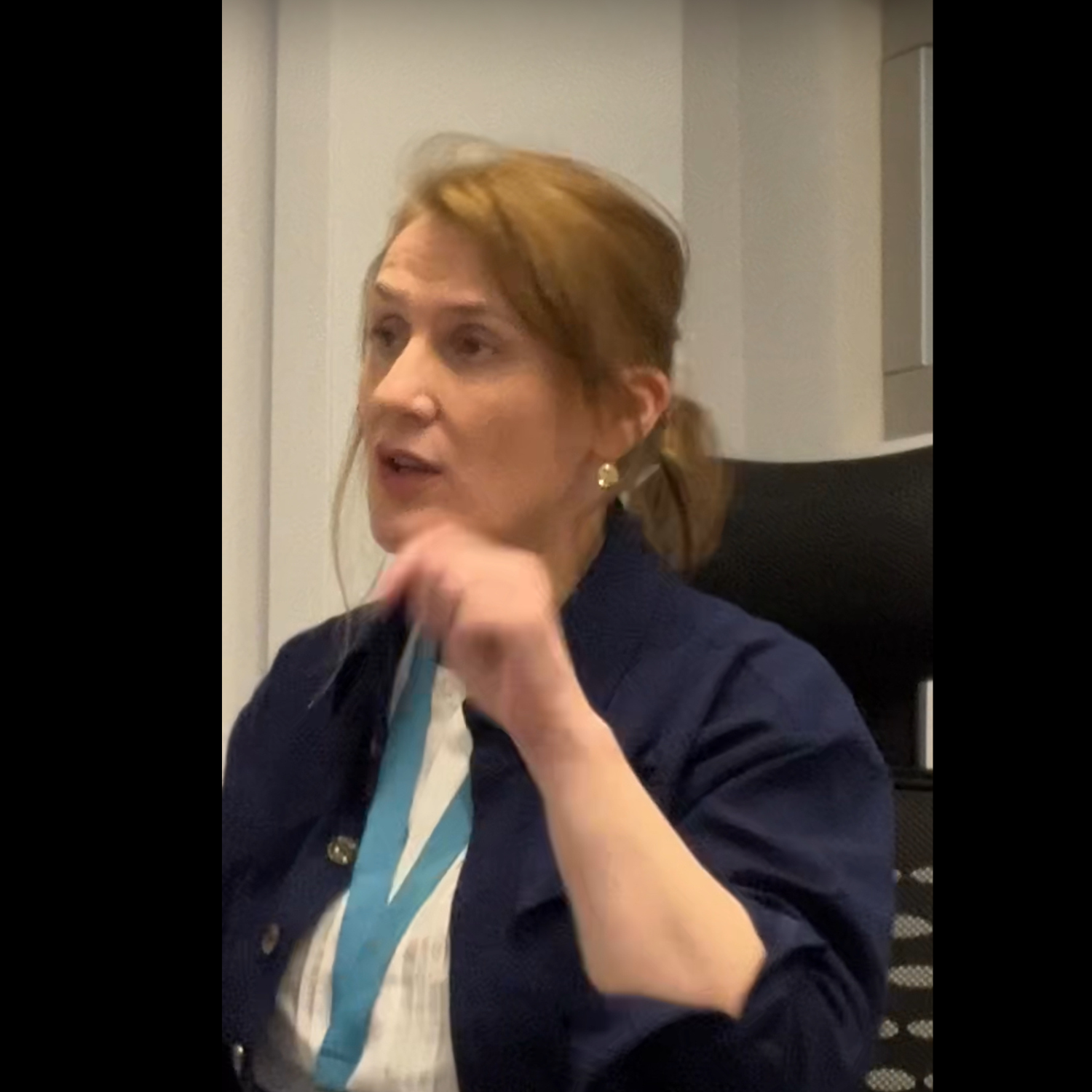
Piano for Singing Teachers is designed for singing teachers, vocal coaches, choir leaders and workshop facilitators who:
✓ Know their subject well but feel held back by piano
✓ Want to rely less on backing tracks, YouTube and generic resources
✓ Would like lessons to feel more musical, flexible and connected
✓ Want to accompany students with greater confidence
✓ Need piano skills that support their teaching rather than distract from it
✓ Want to build a more distinctive teaching style and career
✓ Have no interest whatsoever in becoming a concert pianist
This programme assumes three things:
✓ Piano isn't your main priority
✓ You don't have stacks of free time
✓ You want piano to strengthen your teaching, not take over your life
This programme is not for people looking for a traditional piano course.
It's for teachers who want piano to become a useful, enjoyable and practical part of their teaching toolkit.
✓ Singing Teachers, Vocal Coaches and Pop Choir Leaders who want to improve their teaching and deliver their knowledge and expertise more musically
✓ Singing Teachers, Vocal Coaches or Pop Choir Leaders who are new to the piano
✓ Singing Teachers, Vocal Coaches or Pop Choir Leaders who have tried piano in the past, disliked it, and given up
✓ Piano avoiders who finally want to feel calm, competent, and in control when they sit down at the keys
✓ Singing teachers who are musically capable but avoid the piano
✓ Confident vocalists who become hesitant at the keys
✓ Teachers who are tired of relying entirely on backing tracks
✓ Vocal coaches who want to stop relying on backing tracks, karaoke apps, or “let’s just sing it a cappella”
✓ Teachers who want a simple, specific way to use the piano for teaching, coaching and directing
✓ Teachers who know piano could unlock huge creative and professional freedom — but it feels like a mountain to climb
✓ Teachers who want to:
lead warm-ups,
teach melodies,
accompany pop and musical theatre songs,
and do it all with relaxed confidence
✓ Teachers who get nervous when they have to play beyond what they know already
✓ Teachers who fumble through warm-ups and can’t fully listen to the student at the same time
✓ Teachers who are lost with chords and accompaniment, or find sheet music takes weeks to prepare
✓ Teachers whose piano playing sounds plonky, clunky, amateur or “too classical” — and doesn’t reflect the quality of their vocal teaching
✓ Classically trained singing teachers who can read notation but freeze when asked to play pop, gospel, R&B, funk, MT, or anything with groove
✓ Teachers who want more options for teaching pop, musical theatre, RnB, rock or jazz
✓ Teachers who want to support expressive singing with equally expressive accompaniment
✓ Teachers who care about artistry, not just accuracy
✓ Teachers who want lessons to feel more modern, musical and stylistically authentic
✓ Teachers who would love to branch out and expand the scope of their teaching career
✓ Teachers building a studio or career that requires musical authority
✓ Teachers who want frameworks, challenges, checklists, clarity and genuine skill behind the confidence boost
✓ Educators ready to integrate piano as a strategic asset to stand out in their local scene, online brand and career path
✓ Teachers who have to hire accompanists for exams, concerts and rehearsals — and wish they didn’t
✓ Teachers who would love to play vocal warm-ups confidently and tailor exercises to each student
✓ Teachers who’ve no idea how to break down a melody on the keyboard to help a student hear and find it
✓ Busy teachers who need a flexible, personalised route — not a rigid 400-video piano bootcamp
✓ Teachers who want short, practical, use-it-this-week upgrades rather than long, linear lessons
✓ Teachers who are ready to stop winging it without the piano and are done feeling like an accompanist liability in their own studio
✓ Teachers who teach 1:1 lessons, workshops, choirs or classes
✓ Teachers who watch artists like D’Angelo, Olivia Dean, Alicia Keys, Nina Simone, Stevie Wonder, Jon Batiste, Ray Charles, Sara Bareilles, Diana Krall or Taylor Swift and think:
“I’d love to do some of that… but how?”
✗ Teachers who want to become concert pianists
✗ Teachers who prefer graded exams, repertoire books or formal classical piano training
✗ Teachers who want dense theory rather than practical tools
✗ Teachers who only want to play one style forever
✗ People looking for a casual hobby or something to “dip into”
✗ Anyone who isn’t currently teaching singers
✗ Teachers who want long, rigid lessons instead of short, practical upgrades
✗ Anyone looking for a miracle without doing the small, simple actions that make this work
✗ Anyone expecting to magically “get good” without picking up the piano between sessions
✗ People who want a one-size-fits-all curriculum where everyone follows exactly the same path
✗ Those who want fast results with zero reflection or experimentation
✗ Teachers who object to online learning or an international group format
✗ Beginner singers who have yet to seriously commit to singing through lessons, qualifications or creative projects
✗ Singers under 21
✗ People for whom singing is a casual “once in a while” hobby rather than a meaningful part of life or work
✗ Those specifically wanting singing lessons rather than musicianship and piano integration
✗ Singers with absolutely no knowledge of the piano — unable to name notes or play basic chords
✗ Teachers who want a standard “learn piano” course based around scales, sight-reading drills and classical repertoire
✗ Coaches who would genuinely rather cling to backing tracks forever than develop musical freedom
✗ Anyone who wants to stay safely in “school assembly piano” territory forever
Everyone develops the same essential teaching core:
Warm-ups · Melody · Pitch · Chords · Accompaniment · Transposition · Listening · Leading from the piano
Your route through the material depends on where you are now.
You may know a few notes or chords, but the piano still feels like an awkward piece of furniture waiting to expose you.
You avoid using piano in lessons
You depend heavily on tracks and online exercises
You feel lost around chords and keys
You stop playing whenever you need to listen
You have tried piano lessons before and found them irrelevant
You can prepare something with enough time but cannot respond in the moment
You want useful piano without committing your life to becoming “a proper pianist”
Your pathway will concentrate on:
keyboard navigation without panic
practical chord shapes and key awareness
one reliable, musical accompaniment pattern
essential warm-up patterns
moving exercises through suitable keys
simple melody reading and breakdown
supporting pitch and phrasing
using piano without losing connection with your student
building a lesson-ready toolkit you can use immediately
You will not begin with pieces.
You will begin with the situations that happen in your teaching every week.
Piano for Singing Teachers is for you if:
PATHWAY 1. For you, Piano is not a priority, But youd love to get teh piano you need for once and for all. Maybe, some point in teh future youd like to take it further. Maybe. But for now: you woudl be overjoyed just to feel confident sitting next to it, accompanying that pop or musical theatre song beautifully , making simple melody recordings , playing in front if pareents, Being assured and okay what in what you offer — beautiful simple but knowledgable piano — and being okay with what you don’t because you are a singing expert and the piano supports that — perhaps even to use for onlien promot. Certainly you feel at ease with this is what I offer and it’s more than good enough energy. (You want to being a This is more than enough piano for me to help you sing Assured energy … copy DP here!!)
You have dredible piano skills already, You may not be sitting down and sight reading througj a Rachmaninov, but keys are okay notated rhythms and you can — to many you are already good enough. But the accompaniment all sound teh same. And they are not inspiring. and you are frustrated about the lack of taking advantage of your piano and can undersatdn that with a few more skills piano skills stacked up it coudl open up carrer opportunites but also help you teach at a deeper level in teh way that you teach
you are already teaching singers or vocal students
your expertise is stronger than your current piano ability suggests
you want practical skills rather than another qualification
you care about musicality, rapport and lesson quality
you want to rely less on tracks and generic resources
you are prepared to use the piano regularly between sessions
you want a personalised route rather than identical modules
you have ambitions for your studio, niche or wider career
you want your teaching to feel more distinctive and complete
you are serious about becoming very good at what you do
your main ambition is to become a classical concert pianist
you want a graded piano syllabus
you are looking for a large, passive self-study library
you want results without touching the piano between sessions
you would rather collect information than try it with real singers
you want every participant to follow exactly the same curriculum
singing teaching is currently just a casual possibility rather than meaningful work
X Learning to play classical piano pieces
X Becoming a professional accompanist
X Orchestral reductions
X Memorising hundreds of chord voicings and progressions
X Passing formal piano exams
X Learning to sing
—Feeling embarrassed playing in front of students, parents or colleagues
—You’ve tried learning piano before and either hated it, got bored to tears or couldn’t connect it to your teaching
—Avoiding using the piano in lessons — or relying heavily on backing tracks because it feels safer
—Over relying on YouTube, backing tracks, and generic warm-ups exercise patterns
—-Lost with chords or having to spend weeks practicing up just one song only to teach it once
—Highly concerned your students are not getting a top level and complete singing lesson
—Feeling embarrassed playing in front of students, parents and colleagues
—Frustrated at not being able to teach comprehensively your best through gaps in their ability to cross the communication gap.
—Limited in your professional teaching ‘tools’
—Feeling being considered less good than other teachers
—Having to hire accompanists and feeling second-rate next to teachers who can play
—Struggling to deliver the high quality 121 singing lesson, class or workshop you are capable of
—Bashing through song charts with no idea how to make them sound good
—Stop–start, unmusical playing that interrupts lesson flow
— No idea how to break down the melody at the keyboard for your student
—Making chords sound musical and inspiring to sing over is still a mystery
—You can read notation — but chord charts feel like IKEA instructions written in Greek
—You can theoretically play from chord symbols — but making pop styles sound any where close to the original isn’t happening
—Stuck playing warm-ups you can play — not the ones that actually help the student
—Spending weeks practising up one song — just to teach it once
—Over-relying on YouTube, backing tracks & generic warm-up patterns
—Fumbling through warm-ups — making it impossible to really listen to your student
—Frustrated at not being able to teach your best — because the piano blocks communication
—You’d love to personalise vocal exercises — but can’t find them on the piano
—Spending more time “managing the piano” than listening to the student
—Highly concerned your students aren’t getting a complete singing lesson
—Struggling to consistently deliver the lessons and sessions you know you’re capable of
—Embarrassed at your amateur sounding piano that does not reflect the quality of your teaching
—Concerned you’re considered less capable than other teachers
—Having to hire accompanists — and feeling second-rate next to teachers who can play
—You’d like to branch out your studio or career — but lack of piano keeps you stuck
— Not capitalising on the possibilities of piano to expand your teaching — and have more fun & continued growth
— You want to be good at piano… but not necessarily become a “real pianist”
—Wanting piano skills that support your career — without needing to become “a real pianist”
—Relying on accompanists or tracks for things you wish you could lead yourself
—Feeling limited in workshops, choirs or contemporary teaching settings
—Missing out on jobs, workshops or choir opportunities with “piano” in the ad
Two different starting points
Perhaps:
you avoid the piano or use it in a half-hearted way
you feel embarrassed using it in lessons
you rely heavily on tracks
you wish you could break down melodies and personalise vocal warm-ups
you feel lost around chords
song accompaniment takes too long to prepare
you have tried learning piano before but didn’t enjoy it
your previous piano experience is in the dim and distant past
You do not need to arrive able to read music or accompany songs.
You will need to know—or be willing to learn—the basic names of the notes.
Perhaps:
you can play the piano, possibly quite well
your playing becomes stiff or overly classical around contemporary repertoire
you are confident with notation and melody reading
chords and chord charts feel less familiar
you become stuck when asked to play in pop, gospel, Latin, jazz, soul or swing styles
you want more grooves, style patterns, riffs, embellishments and improvisation
you would like more styles under your fingers to support your students and open up different job options
You may already have a strong piano technique.
The shift is learning how to apply it differently.
Piano for Singing Teachers is designed for singing teachers, vocal coaches, choir leaders and workshop facilitators who:
know their subject well but feel held back by piano
want to rely less on backing tracks, YouTube and standard generic resources
would like lessons to feel more musical, flexible and connected personalised
want to accompany students with greater confidence
need piano skills that support their teaching rather than distract from it
want to build a more distinctive teaching style and career
Piano for Singing Teachers is designed for singing teachers, vocal coaches, choir leaders and workshop facilitators who:
know their subject well but feel held back by piano
want to rely less on backing tracks, YouTube and generic resources
would like lessons to feel more musical, flexible and connected
want to accompany students with greater confidence
need piano skills that support their teaching rather than distract from it
want a personalised route rather than identical modules
have ambitions for their studio, niche or wider career
want their teaching to feel more distinctive and complete
are serious about becoming very good at what they do
Piano isn’t your main priority.
You don’t have stacks of free time.
You want piano to strengthen your teaching — not take over your life.
your main ambition is to become a classical concert pianist
you want a graded piano syllabus
you’re looking for a large, passive self-study library
you want results without touching the piano between sessions
you’d rather collect information than try it with real singers
you want every participant to follow exactly the same curriculum
singing teaching is currently just a casual possibility rather than meaningful work
Q: How is this better than a straightforward piano course?
A: Pianists - even excellent ones - don't fully understand the singing voice, and the delicate business of drawing out a confident result from a student. I have trained, taught and performed for many years in both the piano and singing. And by "trained" I mean: technique, style, repertoire, improvisation and teaching methodology. Getting to a high standard on both instruments took a while. I most certainly have gaps, but I DO understand piano and singing together, and how one can support the other.
Q: I've only got access to keyboard - is that okay, or do I need an acoustic piano?
A: Perfectly fine - it doesn’t need to be fancy. You don’t need a Steinway—you just need a place to practise. Weighted, full-size keys are preferable but it's not a disaster if you're working with a basic keyboard. And, let’s face it, we can be faced with an assortment of ‘pianos with personality’ in schools and colleges. Learning how to handle this is in the course.
Q: Is this for complete beginners?
A: If you’re a singing teacher then you know about music, and are therefore not a complete beginner to music. That knowledge and expertise just needs to be drawn out on a piano. The Lesson-Ready Piano pathway is designed for beginners, avoiders and people whose previous piano is in the dim and distant past. You will need to know, or be willing to learn, the basic names of the notes. You do not need to arrive able to read music or accompany songs.
Q: How does the personalised plan work?
A: The aim is to give you the piano skills for your singing teaching and vocal coaching. For example: those that teach musical theatre to Saturday morning classes may need different vocal warm up patterns to those that work mainly with adults singing for pleasure in a 121 lesson.
Q: I'm from a classical background, new to chords and popular song styles – will this course help me?
A: If you’re confident with classical repertoire, you’ll likely be strong with notation and melody reading. You may now need the ‘other’ side - chords, grooves, style patterns, embellishments, impro. I went through this transformation - painfully! - but it’s so rewarding being able to do both. Follow the Classical to Commercial pathway
Q: Will I need to practice a lot?
A: It depends on your starting point. You’ll need to do some. But this course is built for teachers, not concert pianists. We’re aiming for efficiency rather than endless hours, and noticing the difference in your teaching routine from early on — you should feel more inspired to practise! It is built around short, regular Practice Stacks and immediate application within your lessons.
Q: How long will it take?
A: Approximately 8 weeks of actual work. But you may find yourself staying on one technique for longer which is both sensible and allowed. Because we embed your practice in your teaching week (paid practice!) you will have a constant feeling of getting there without the pressure.
Q: Can I see the course module breakdown?
A: We don’t use a one-size-fits-all approach. We start with what you’re trying to achieve and work out the best way to get you there. As a teacher, you’ll probably appreciate that. The general feedback (and my own experience too) is that approaching your teaching through the lens of the piano—and from a fresh angle—gives you a deeper understanding of your singing teacher philosophy, sharpening your methodology and approach. Good things to have!
Q: I love the idea of playing the piano
A: If you want to play classical repertoire: Chopin, Beethoven, Schubert etc. that demands a deeper commitment, and piano lessons would be your best answer. But if you just want to get going, this programme may be the best way to start. Playing pianistically is an important section - singers get frustrated if they can’t match the musicianship of their singing. Students notice the difference too. You'll learn real piano skills that feel good under your fingers, and you can absolutely go on to lessons afterwards with a strong head start.
Q: Is this a singing-teaching qualification?
A: If you want to play classicNo. It is professional development for people who already teach singing or coach voices. It is designed to strengthen your musicianship, teaching delivery and career options.
Q: Why do I need to apply?
A: There are only five places and the work is personalised. The application helps establish whether I can give you a meaningful result within eight weeks and which pathway is appropriate.
Q: Can I join another time?
A: Most likely, but future versions may have a different structure, level of personal support or price. The Summer 2026 cohort is the current opportunity.
I have another question.
You are welcome to drop a line: hello@themagnificentsinger.com
Pianists — even excellent ones — don’t necessarily understand the singing voice, and the delicate business of drawing out a confident result from a student.
I have trained, taught and performed for many years in both piano and singing: technique, style, repertoire, improvisation and teaching methodology.
I understand piano and singing together — and how one can support the other.
Perfectly fine. It doesn’t need to be fancy.
You don’t need a Steinway — you just need somewhere to practise. Weighted, full-size keys are preferable, but it isn’t a disaster if you’re working with a basic keyboard.
And let’s face it, we can be faced with an assortment of “pianos with personality” in schools and colleges. Learning how to handle this is part of the course.
If you’re a singing teacher, you already know about music — so you’re not a complete beginner to music.
The Lesson-Ready Piano pathway is designed for beginners, avoiders and people whose previous piano experience is in the dim and distant past.
You’ll need to know — or be willing to learn — the basic names of the notes. You do not need to arrive able to read music or accompany songs.
If you’re confident with classical repertoire, you’re likely to be strong with notation and melody reading.
You may now need the “other” side: chords, grooves, style patterns, embellishments and improvisation.
I went through this transformation — painfully! — but it’s enormously rewarding being able to do both.
That’s what the Classical to Commercial pathway is for.
It depends on your starting point. You’ll need to do some.
But this programme is built for teachers, not concert pianists. We’re aiming for efficiency rather than endless hours, and for you to notice a difference in your teaching from early on.
It is built around short, regular Practice Stacks and immediate application within your lessons.
No.
It is professional development for people who already teach singing or coach voices, designed to strengthen your musicianship, teaching delivery and career options.
There are only five places and the work is personalised.
The application helps establish whether I can give you a meaningful result within eight weeks and which pathway is most appropriate.
Most likely, but future versions may have a different structure, level of personal support or price.
The September 2026 cohort is the current opportunity.
You’re welcome to drop me a line at hello@themagnificentsinger.com.
I’ve deliberately left out “Can I see the course module breakdown?” because we have already explained the personalised structure extensively, and “I love the idea of playing the piano…” because it’s not really a question and largely repeats the “this isn’t traditional piano” message.
✓ Flexible schedule — we assume you have a life
✓ Personalised — not one-size-fits-all
✓ Piano Decoder onboarding process
✓ The Piano/Track Ratio Framework —instant clarity on the piano you need, and the piano you don’t
✓ Short weekly micro lessons — we assume you’re busy
✓ Apply directly to your teaching — not “practise for 2 years first”
✓ Built around your students, teaching style and goals
✓ Weekly personalised feedback + support
✓ Practice stacks and lesson-friendly challenges
✓ Fun (yes, really) — enjoyable, not a grind
✓ Built for singing teachers — not aspiring concert pianists
£510 · one-time payment
For busy singing teachers and vocal coaches frustrated that the piano is getting in the way of the level they are actually capable of teaching at.
Build the exact piano skills you need to create warm-ups, teach melodies, accompany songs and lead confidently from the keyboard — while developing a more musical, distinctive and flexible teaching offer.
Without wasting years on piano techniques that ultimately don’t support your teaching or career goals.
SEPTEMBER 2026 · 8 WEEKS · 5 PLACES · £510
✦ APPLY FOR SEPTEMBER 2026 →
Without wasting years on piano techniques that ultimately don't support your teaching or career goals.
£510 · 5 places
An 8-week personalised piano programme designed specifically for singing teachers and vocal coaches.
Without traditional piano lessons taking over your life.
£510 · 5 places
transform your lessons, workshops, and choirs from “nice” to life-changing
uncover your unique ‘flavour’ on teaching
establish your specialised teaching reputation
£510 / 5 places
Become a more capable, distinctive and employable singing teacher.
A smart, enjoyable 8-week piano programme that strips away the irrelevant and focuses on the piano techniques that genuinely improve your teaching.
Skillful piano that supports your singing teacher expertise — without traditional piano lessons taking over your life.
For busy singing teachers and vocal coaches frustrated that the piano is getting in the way of the level they are actually capable of teaching at.
Fed up with relying on backing tracks, generic vocal exercises, YouTube and uninspiring teaching resources just to "get by".
Get a personalised, imaginative and exact set of piano skills designed around your teaching style and future direction.
So you can create personalised warm-ups on the spot, correct pitch, accompany songs with ease, lead workshops confidently, communicate more clearly, build rapport with your students and deliver lessons that feel more special.
Allowing you to access new career opportunities, become known for your thing, and attract students who return.
✦ Get Started · Summer 2026 →
And, like all the singing teachers I know, work alongside or help, you care deeply about their students.
You genuinely love all the breakthroughs, the sharing, watching your students grow in confidence.
And for the most part, you’re confident with what you offer as a teacher.
But every now and then, there’s a bump in the road:
A melody you’d love to break down — if only you could play it.
A student walks in with a chart expecting you to accompany immediately.
Or asks to try it in another key.
A vocal exercise you wish you could just tweak slightly to get deeper into their issue.
Or loop at a certain point instead of stopping and restarting tracks.
A lesson that loses musical flow halfway through.
A parent in the room while you awkwardly fumble for tracks.
Avoiding situations where other teachers might hear your piano playing.
Or a job ad you’d love to say go for — if piano wasn’t part of the brief.
All common frustrations.
And thankfully, solvable.

Chances are, you love teaching singing. And, like all the singing teachers I know, work alongside or help, you care about how your lessons go. You genuinely love the breakthroughs, the sharing and watching your students grow in confidence. And for the most part, you’re confident with what you offer as a singing teacher.
But every now and then, there’s a bump in the road. A melody you’d love to break down — if only you could play it. A student walks in with a chart expecting you to accompany immediately, or asks to try it in another key. A vocal exercise you wish you could tweak slightly to get deeper into their issue. A lesson loses flow while you stop and restart tracks. Or there’s a job you’d love to go for — if piano wasn’t part of the brief.
You can hear what is wrong. You know which technical or musical change could help. You may be highly trained, deeply experienced and excellent at drawing the best out of a singer. Then you bring in the piano and everything becomes slightly less magnificent.
Perhaps you use the warm-ups you can play rather than the ones the singer needs. Spend far too long preparing one song. Feel stiff playing commercial styles. Or spend more time managing the piano than listening to your student.
None of this means you lack musicality. Quite the opposite — otherwise you probably wouldn’t find it so frustrating.
It usually means you’ve been learning the wrong piano for the job.
Chances are, you love teaching singing.
And, like all the singing teachers I know, work alongside or help, you care about how your lessons go.
You genuinely love the breakthroughs, the sharing and watching your students grow in confidence.
And for the most part, you’re confident with what you offer as a singing teacher.
But every now and then, there’s a bump in the road.
A melody you’d love to break down—if only you could play it.
A student walks in with a chart expecting you to accompany immediately.
Or asks to try it in another key.
A vocal exercise you wish you could tweak slightly to get deeper into their issue.
Or loop at a certain point instead of stopping and restarting tracks.
A lesson that loses flow halfway through.
A parent in the room listening while you awkwardly fumble around with tracks.
A stressful situations where other teachers might hear your piano playing.
Or a job advert you’d love to go for—if piano wasn’t part of the brief.
All common frustrations.
And thankfully, solvable.
You can hear what is wrong.
You know which technical or musical change could help.
You may be highly trained, deeply experienced and excellent at drawing the best out of a singer.
Then you bring in the piano and everything becomes slightly less magnificent.
Perhaps you:
lose the flow of a lesson while finding notes
rely on backing tracks you cannot adapt
use the warm-ups you can play rather than the ones the singer needs
spend far too long preparing one song
avoid breaking down difficult melodies at the keyboard
feel stiff or unconvincing when playing commercial styles
quietly hope nobody asks to change the key
avoid jobs, workshops or groups where piano is part of the brief
None of this means you lack musicality.
It usually means you have been taught the wrong piano for the job.
Your problem is getting through to your students - consistently
Crossing that tricky communication gap ALL teachers have to manage.
Mostly you do well, but now and again, there’s that “could have gone better” moment mid session.
We’ve all been there!
All the teachers I’ve taught or worked along side genuinely care about about their students.
And naturally, this is your profession right? You want to it well!
And you get that piano could help
So you seriously think about the piano side.
But it seems a lot! And if you’re honest it’s not top of your list.
So you kind of go round in circles … should I?
But even if you give it a go
Or you can play already , thank you very much
Somehow that doesn’t match what U=you LIKE to be doing
Not because your singing expertise isn’t up to scratch.
(Quite the opposite, otherwise you wouldn’t be so frustrated).
But because you haven’t the confidence or conviction in your piano playing to use it for your teaching.
Which means you don’t always teach at your best.
And you worry your students didn’t get they lesson they needed.
And so you’ve looked at piano courses, maybe taken a few lessons.
And been dismayed about the long road ahead.
Overwhelmed at how much there is to learn, which you don’t really have time for.
And even if you do already play well — your piano ability doesn’t quite relate to the lessons you’d be pleased to deliver.
Or it’s competent but doesn’t sound that great.
So you doubt yourself and fall back on tracks, pure vocal demos and youtube.
Could be…
the melody line you couldn’t teach — so you send them away with a youtube link
the technical exercise you couldn’t properly demo
a song accompaniment that sounded clunky and not that inspiring to sing over
the chart you couldn’t read — so you had to hunt around for a track
the group workshop that got out of hand
Piano lessons and piano courses teach you to be a pianist.
Wonderful if you’re in for the long haul of learning piano.
Singing teachers need two things from their piano:
1) The ability to play and genuinely listen to their student
2) The collection of piano skills that support their singing teaching methodology and student type.
So if your focus is teaching singing or coaching vocals – some of the piano stuff covered in straightfoward piano lessons aren’t always necessary.
And can instead by a distraction.
Learning “3 Blind Mice” doesn’t feel that relevant to a singing teacher with a hefty schedule
I’ve worked alongside and taught enough singing teachers to know we are all different, but the common ground is we all care about our students.
So it’s super exciting how our world is no longer just about being the “only singing teacher in the village” –we can genuinely delve deep into our specialist area.
Piano for Singing Teachers 1 teaches you to be a more individual, nuanced singing teacher—using piano as a teaching tool.
It’s not about piano grades. And it’s definitely not about playing Chopin.
It’s about getting the piano you need for your teaching… both current and in the future.
to build trust and rapport with your students.
draw out the best from your 1:1 sessions and workshops.
open yourself to the career advantages of having professional piano for teaching singing.
Belief Reframe
The advantages of being a singing teacher who can play piano are obvious.
It’s handy for teaching a tricky melody, playing supportive song accompaniments, devising vocal warm-ups… connecting with your students, coaching them, and making in-the-moment music together.
But piano has a power of its own.
You can’t fake piano skills. Or just be naturally talented. Or suddenly transform to jaw-dropping virtuosity.
Some kind of effort and commitment is required.
And the assumption is: if you’ve mastered the piano, you must be very good at what you do.
A decent piano skill set signals expertise, musical mastery, and professional competence—
Without you saying a word or singing a single note.
Children might not notice all this, of course.
But parents do. Employers do. Fellow music professionals definitely do.
And you can be certain your choir will too.
The piano is like an instrumental business card—it works for you to attract hidden opportunities and open doors you didn’t even know existed.
Great!… “I’ll get my piano going” you say, all fired up with enthusiasm.
But here we hit the big problem for singing teachers, vocal coaches, worksop leaders and pop choir directors in that…
And they are different from piano players.
Which is why standard piano lessons and courses don’t always solve the problem.
Because—funnily enough—piano lessons teach you how to play the piano!
And piano lessons are taught by piano teachers.
And piano teachers, no matter how brilliant, don’t understand the delicate art of drawing out a singer’s voice, confidence, and style. Because that’s not what they do.
They focus on getting you to play the piano well.
Which helps—but it doesn’t do your exact job: drawing out the singer’s voice, confidence, and style…
Which is why—unless you’re learning piano for other reasons—piano lessons aren’t always the answer for singing teachers. Even though it can feel that way at first.
Quickly it becomes frustratingly obvious: even though you are diligently spending time on this piano thing, there isn’t that immediate improvement in your teaching. There still remains a skills gap.
This is deeply frustrating! Particularly if you want to get it done.
What we have to remember here is…
The legacy of the piano is huge.
Classical repertoire, jazz improv, commercial styles, Latin grooves, sight-reading, chord chart interpretation, singer accompaniment, locking in with a rhythm section…
The list goes on. From the outside, it can feel overwhelming. This mountain to climb.
But here’s the liberating bit:
You don’t need to be an impressive blend of Herbie Hancock, Alicia Keys, and Lang Lang.
In fact, jaw-dropping virtuosity can get in the way of teaching effectively.
The good news?
The ability to play and listen to your student at the same time
A specific set of piano skills for your teaching methodolgy
Skills that might be different from mine. And different from your colleagues’.
Meaning there are entire areas of piano learning you can cheerfully ignore.
Once you understand this, learning the piano stops feeling like an endless climb—
And becomes something achievable.
And, dare I say it… fun.
All singing teachers I know and worked — care about
And have a unique
— Vocal blah
But all the ones I have worked along side or taught all genuinely care about their students and have a unique way of going about it that is genuinely unique. .
But, as it often the case… it can be hard to recognise all we bring to the table.
And it’s a lot to expect prospective students, parents and employers
This is how I operate. And the piano has allowed me countless opportunities with singing . Both performing and teaching. It’s given me behind the scenes referrals. I’ve had 2 job interviews in my whole life I’m not that great at job interviews) (— one of which they employed me before they needed some one young, female. Both EVERYTHING else I have got - have been through referrals.
So why isn’t piano featuring in yours yet
You don’t need to be a concert pianist.
You don’t need to fall in love with Czerny.
And you definitely don’t need to master jazz voicings by Wednesday.
But you’re here to teach singing.
.
We see the piano for what it really is:
A beautifully powerful, infinitely flexible teaching tool.
It lets you:
Teach melody slowly, supportively, and clearly
Tailor a warm-up in the moment to suit the voice in front of you
Shift a song up or down a semitone without stress
Lead with calm, clarity, and musical authority
Build flow, not friction
But from the outside, piano can feel like a mountain to climb.
Especially if you came to singing through theatre, dance, or performance—not Rachmaninoff.
And that’s where most training gets it wrong.
They teach you how to play piano.
They don’t teach you how to use piano to teach singing.
They don’t teach:
How to listen and play at the same time
How to coach a line expressively, without dropping the groove
How to lead a rehearsal without stopping the music to check the chords
So even if you're a strong player, you might still feel clumsy, reactive, or oddly unsure when teaching.
Because you’ve been trained in piano.
But not in piano for teaching singing.
A diploma in jazz voicings
To master every key before you can teach a warm-up
To rely on flaky sheet music and awkward YouTube videos
To spend three weeks learning one song for a single student
To hide behind backing tracks that limit flexibility and flow
The ability to play and teach simultaneously
A set of piano skills that fit your studio, your students, your sessions
Confidence in what you can do—and clarity in what you don’t need to do
Rhythmic stability and harmonic awareness to support real musical connection
The freedom to guide a song, shape an arrangement, and inspire artistry
The ability to shape a singer’s phrasing, not just mark time
Space to experiment with keys, dynamics, tempo, and story
A live musical partnership, not just a playback system
A calmer teaching environment—because the piano naturally leads the room
A richer, more expressive experience for your singers
A way to stand out in your field, raise your rates, and build a stronger studio
You don’t need more piano.
You need the right kind of piano for your work as a singing teacher.
That’s exactly what this method gives you.
All the singing teachers and vocal coaches I have worked alongside or helped with their piano or being taught by genuinely care about their students. And have their unique ‘flavour’ of going about it.
The piano is brilliant at getting better than that. It’s not for every teacher. But for many
The piano has a rich legacy: classical repertoire, styles, improv. voicings. Potentially overwhelming. And not an overnoght job
And piano is probably not top of the to-do list
Piano for Singing teachers solves all of that.
The piano. An incredibly useful tool for teaching.
The problem is it can feel like a LOT to learn. Particularly if piano is not your background.
Piano lessons seem like the answer. (And certainly not a terrible idea if you want to go all in to piano).
But if you are more about upgrading your teaching
But a critical difference between playing the piano and playing for teaching is the focus.
Piano your mostly in the piano.
Whereas teachets are about the student.‘piano plays the ba k seat.
And if you’re not in the love with the piano (true for many, singing comes first). It can feel like another thing to fo
Your student says, “Can you just play the verse while I sing?”
You smile. You stall. You open YouTube instead.
You promise yourself you’ll “sort the piano thing out soon.”
This is “soon.”
Piano lesson teach you the piano. Excellent if that’s where you are heading.
But you don’t need to be concert pianist worthy pr jazz improve.The legacy of the piano can be overwhelming. You need specific skill sfor teaching singing, coaching vocals AND specific skills based around YOUR flavour of teaching.But you DO need a unique set of Show I understand them — Piano for teacging singing is a different skillset to (These should be in disgnostic social posts) to piano. An (Others do YYY we do XXX) — importnat thinsg — playing the instrument well. Not sabataguing your onw voice! Practicing as you teach! (because frankly it doesnt stop ) Building exercises for your personal. Connecting teh student to time and story, Energing and soothing, Reassuring
Open up unexpected opportunity
And the great thing about this is we don't all have to be the same. The really important thing, and the great thing, and the very important thing is we don't all have to be same. And we shouldn't be the same.
These days, we have the opportunity to teach anyone in the world, which is quite exciting if you choose to do that way.
And with singing and teaching the courses on vocal podology, just vastly improved and more niche and when they used to be even ten in commercial singing, even 10. Five years ago, and the you a word with The desire for study. And again, the desire for study, there's a lot of more crossing over styles.
So singing teachers. that these days. There's appetite for that of course, that passes on to children who want to study, teenagers on study think about career and also. courses, her education courses, because they have to succeed. are going to probably quite often respond to that market. It's a good market, they're going to sponsor it because they need to succeed too.
Hello and it proves in ways, it proves, you're not just lucky enough to have a great voice. a great voice, it proves that you understand. It's sort of gives a professional urge to what you're doing.
Not to say, if you don't don't have any of those things, it's not the only way of doing it. It's standing up the only way of doing it. This is not about making. Peter, singing teacher vocut not to use a piano to feel less. It's not about that.
There are other ways of daring about it. It's just how I've got about it. And I'm sharing that with you. I don't know. Helps.
It's a very convenient checkbox tick for parents, head departments. People are just looking for or workshop leaders, residential, coursegivers who are looking for someone who can do a few things. Who of course, who can do a few things. It's not the you. So, again, on the PLA is one way of doing that.
The moment you play something confidently from the piano, students, parents, choir members (and job interviewers!) perceive you as more skilled, qualified and high-quality — pacrticularly for a singing teacher. You can’t fake your way through to decent piano technique, and you can’t just be natirally blessed with a lovely vocal tone. just be naturally talented. VERY useful for singers you are immediately signalling : you are studied, you’re not whinging it, and you’re a music expert. Sometimes we have to show proof og authority. And the piano is super useful here.
There is recognition
And did you know that…“piano” is a high favoured in-demand skill for auditions, studios and coaching jobs — but also one of the most undersupplied?
Piano lessons. Piano lessons are wonderful they will teach you. Playing for singing is doing 3 things— you need to support the voice so it sounds good and does what you want it to do. And you, the teacher need to be able to. Be intentional. Piano lessons may be the best route.Which is mwhy even accomplished pianists are not alway that great sometimes struggle in voice lessons because, even though they can play the instrument well, they haven’t the right set of skills. Piano lessons, funmily enough, teach you to play the piano - repertoire, touch, improvm chords. All useful. Even for the nost humble there are moments when we need to flex and prove authroity, he most humble has But they don’t help when your student bring sin that chart from the internet. Or needs The big shiftSame instrument: different end goal. Close but no cigar,
Piano lessons teach repertoire, touch, harmony and improvisation. But accompanying a singer is a different skill: you have to support the voice so it truly sings, anticipate every phrase, and handle those internet chord charts students bring. Even accomplished pianists can stumble in voice lessons because they haven’t built that extra layer of intention. Same keyboard, different goal—that’s the “close but no cigar” moment most teachers overlook.
Piano lessons. Which is mwhy even accomplished pianists are not alway that great sometimes struggle in voice lessons because, even though they can play the instrument well, they haven’t the right set of skills. Piano lessons, funmily enough, teach you to play the piano - repertoire, touch, improvm chords. All useful. Even for the nost humble there are moments when we need to flex and prove authroity, he most humble has But they don’t help when your student bring sin that chart from the internet. Or needs The big shiftSame instrument: different end goal. Close but no cigar,
Hello and it proves in ways, it proves, you're not just lucky enough to have a great voice. a great voice, it proves that you understand. It's sort of gives a professional urge to what you're doing.
Not to say, if you don't don't have any of those things, it's not the only way of doing it. It's standing up the only way of doing it. This is not about making. Peter, singing teacher vocut not to use a piano to feel less. It's not about that.
There are other ways of daring about it. It's just how I've got about it. And I'm sharing that with you. I don't know. Helps.
It's a very convenient checkbox tick for parents, head departments. People are just looking for or workshop leaders, residential, coursegivers who are looking for someone who can do a few things. Who of course, who can do a few things. It's not the you. So, again, on the PLA is one way of doing that.
No… you simply need to be able to give your students the lesson of their life — so they leave happy, inspired and return for another session the week after.
And the piano is one of the best tools for helping you do just that.
Which means you only really need 2 things :
A specific set of piano techniques, based on YOUR teaching
The ability to play and listen simultaneously, without losing focus on your student
Once you understand this, learning the piano stops feeling like this huge mountain to conquer — and becomes something achievable.
You Need Two Things. That’s It.
World-Class Piano? Optional. World-Class Teaching? Essential.
It’s not about becoming the next concert star. It’s about becoming the kind of teacher your students never forget.
If you’re working as a singing teacher, vocal coach, or pop choir director, you don't need to be a dazzling blend of Herbie Hancock, Alicia Keys, and Lang Lang.
(And actually, impressive piano can get in the way.)
Because in real teaching? You don’t need world-class piano skills across the board.
You need world-class teaching skills—supported by piano.
Which means:
Carefully chosen set of piano techniques, based on your actual studio needs
The ability to play and listen simultaneously, without losing focus on your students
And that’s it.
Being able to listne and
The moment you play something confidently at the piano, people respond differently.
Students listen more closely. Parents trust more deeply. Choirs follow more readily. And job interviewers? They take you seriously.
It doesn’t need to be flashy or impressive.
Piano signals that you’re trained, skilled, and capable of musically supporting someone else’s voice — not just your own.
The moment you play something confidently from the piano, students, parents, choir members (and job interviewers!) perceive you as more skilled, qualified and high-quality — pacrticularly for a singing teacher. You can’t fake your way through to decent piano technique, and you can’t just be natirally blessed with a lovely vocal tone. just be naturally talented. VERY useful for singers you are immediately signalling : you are studied, you’re not whinging it, and you’re a music expert. Sometimes we have to show proof og authority. And the piano is super useful here.
For singing teachers, this kind of quiet authority is gold.
And it can’t be faked.
Most singing teachers know music — but the piano doesn’t always tell that story.
The classical ones can read anything, but can’t groove.
The pop ones can jam, but can’t explain what they’re doing.
The musical theatre ones are brilliant with voices, but rely on someone else to play.
Different stories. Same ache: you know your ears are ahead of your hands.
Your student says, “Can you just play the verse while I sing?”
You smile. You stall. You open YouTube instead.
You promise yourself you’ll “sort the piano thing out soon.”
This is “soon.”
Piano lessons. Which is mwhy even accomplished pianists are not alway that great sometimes struggle in voice lessons because, even though they can play the instrument well, they haven’t the right set of skills. Piano lessons, funmily enough, teach you to play the piano - repertoire, touch, improvm chords. All useful. Even for the nost humble there are moments when we need to flex and prove authroity, he most humble has But they don’t help when your student bring sin that chart from the internet. Or needs The big shiftSame instrument: different end goal. Close but no cigar,
So piano lessons are not always the answer
Becuase piano courses are taufht be piano teachesr
who teach you the piano
Not a terrible idea ad highkly related of couse
but fior many singi teacher — piano is low down their list
and they alreasdy hace a pacjed schedule
so not vast swathers of time
which is why piano lessons can feel frustrateding
But when it DOES come togetr
well whhooo
the result coukl dbe
—- attractijg
The Hidden Assets of Playing Piano.
Singers operate heavily in teh world of melody, lyric and story telling. And let’s face it — just making a nice sound, singing in tune and finding our performance style tales a while and can be hard going. Added to that, our instrument is — for once not an exaggeration genuonely unique — and more accomplished tend to move into
So it’s understandable why otehr aspects to music — rhythm, harmony, texture, gets
There’s a cross over point — where teh more accomplished singer start thinging about their ouwn sound — particulrly in teh world of commercial singing — where often anything goes, — and and a less than balanced technique (what singing pedgigist would camll good singing) is forgiven if they have that elusicve something desirble to teh audience.
Thsi is where the piano gets handy. Not really for your student — but for you!! .
Singing and piano iare just so different
- button pressing, logical. The piano can be highly mathmatical. And tactile. (Srevie wonder and his writing in black keuys — coded.
Doing both is brilliant (I am completely biased.)
Apparently listening and reading helps your brain co ordinate
And for me there;’s something in that.
Singing hekps me be more musical
Piano helps me understand
I LOVE playing them both.
Good for you! Haha. So how does that help me teach.
Well, students arrive with all sorts of brains and ways of understanding. We don’t knwo rhat - until we are teaching the,
I find
— The instrumentalist — who wants to sing
— The teenager — who because now Im anciet — doesnt relate tp me aor my singing — but
— The adult who isn’t interested in what teh heck all these singing technical words are (yawn!!) but ther can see — teh shal eon teh piano.
Everyone thinks piano skill = endless practice.
It’s not.
It’s knowing what matters for singers.
You don’t need Liszt fingers. You need patterns, rhythm, and the right musical instincts.